


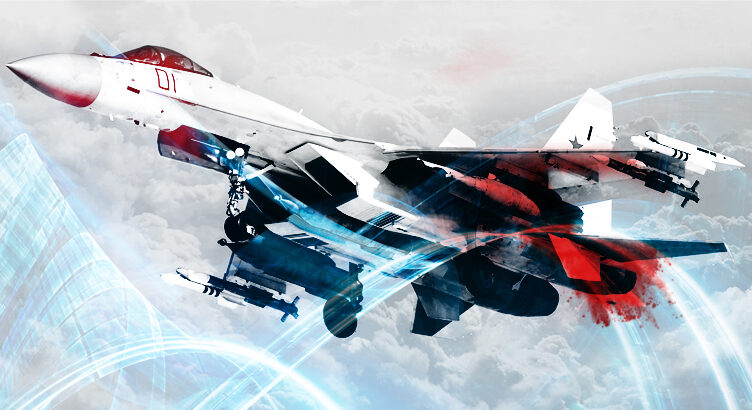
File image.
A clear photo showing two of the Su-35 4.5 generation air superiority fighter jets Algeria reportedly received from Russia last year has finally appeared.
At least one Su-35 was spotted at Oum Bouaghi Air Base in the north of the country in satellite imagery from Google Earth in March of last year.
It was noted at the time that the camouflage scheme of the fighter jet is the same as that applied to Su-35s originally built for Egypt which remained at the Yuri Gagarin Komsomolsk-on-Amur production site in far east Russia.
Egypt placed an order for 24 Su-35s in 2018 but later withdrew due to economic and political pressure from the United States. Previously it was said that the fighter jets in question were going to be delivered to Iran. However, at least some of the jets were sold to Algeria.
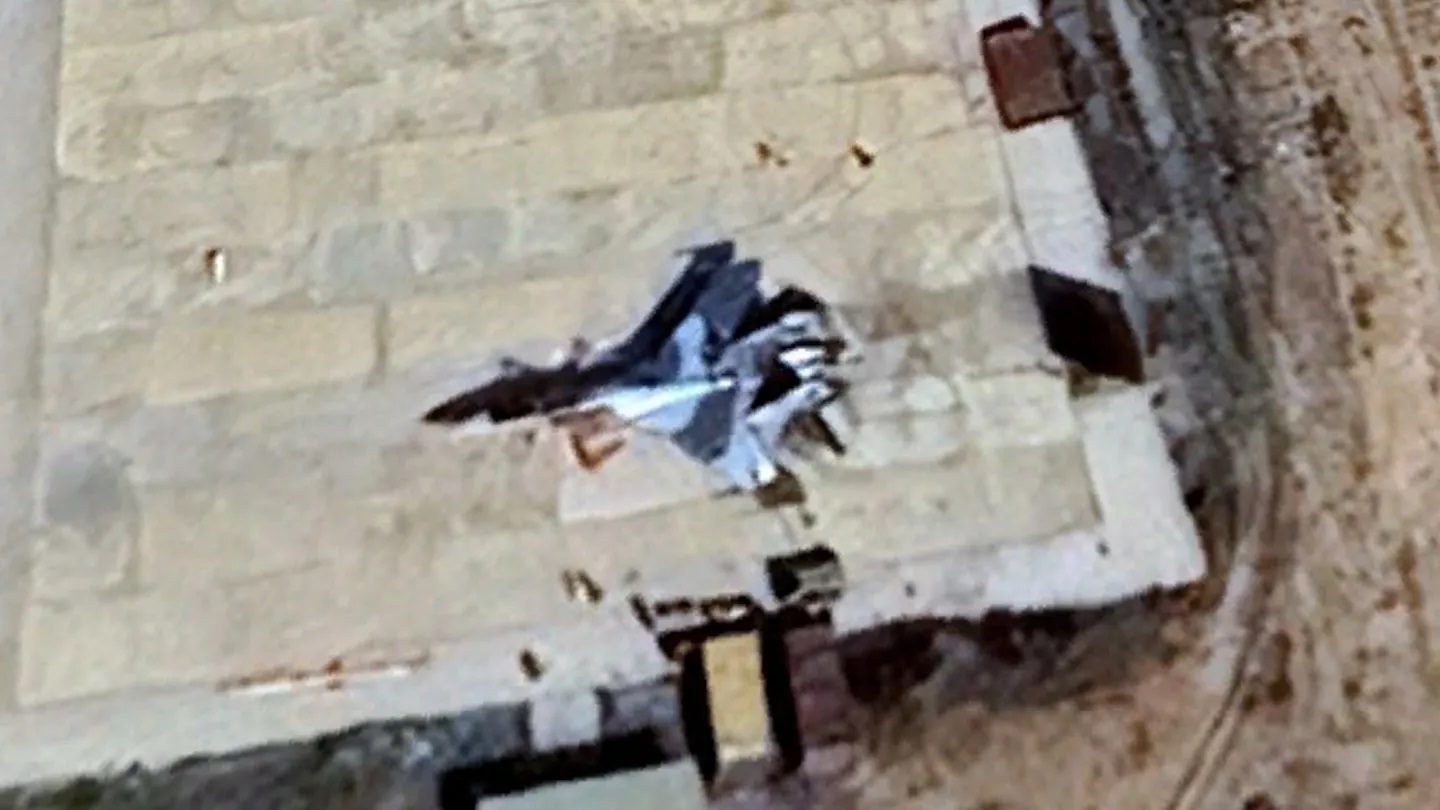
Click to see full-size image. (Google Earth)
What appears to be a Su-35 flying right over Oum Bouaghi appeared in video footage posted to social networks later in March. The camouflage scheme was not clear, however.
The latest photo, which was likely also taken near the same same air base, shows not one, but two Su-35s in the camouflage scheme, with the roundel of the Algerian Air Force and the dark gray nose cone which distinguishes fighter jets of this type from others from the very similar Su-30 series. The photo was first posted to the Forces Dz Forum page on Facebook on February 3.
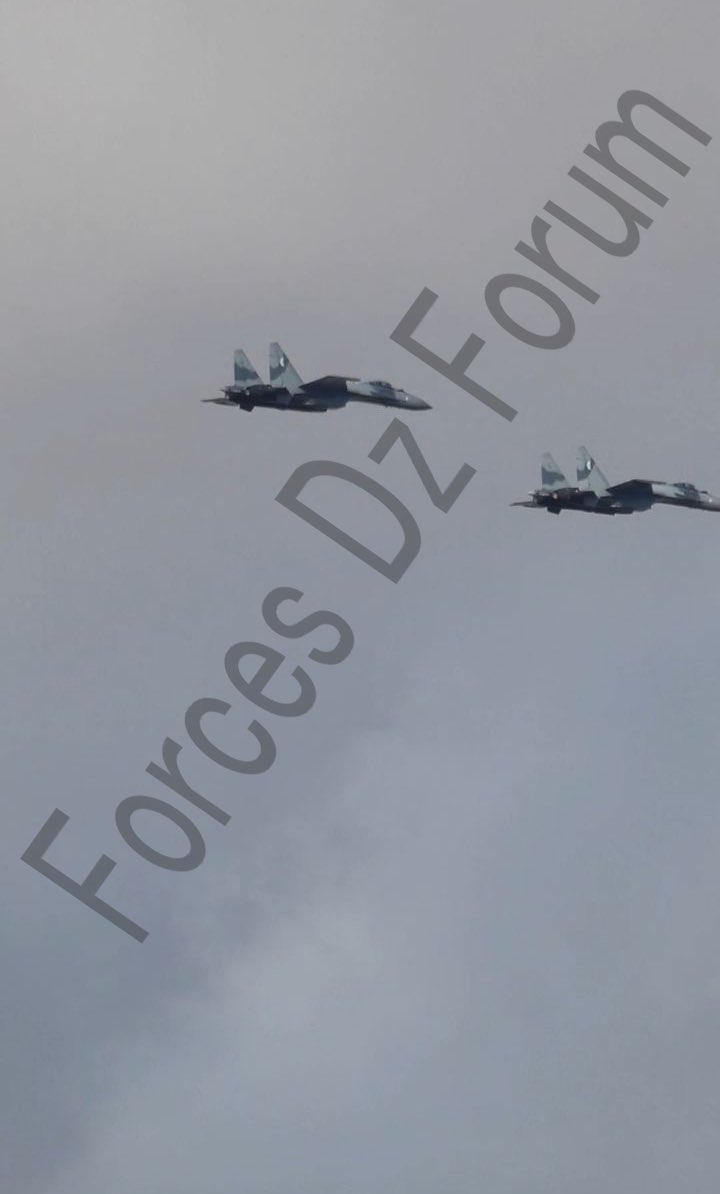
Click to see full-size image. (Facebook)
There were no reports of a Russian-Algerian deal on the Su-35s, but this is not surprising considering that Algeria is known for keeping its military purchases under tight wraps.
It’s still unknown how many Su-35s have been delivered to the country. However, the International Institute for Strategic Studies, a United Kingdom-based think tank, said in a report published last April that in addition to the fighter jet spotted in Algeria at least four others at Komsomolsk-on-Amur have also received Algerian markings.
The Su-35s was developed by the Sukhoi Design Bureau to engage all types of aerial targets in long and close ranged air battles as well as to attack ground and sea-surface targets.
One of the main features of the Su-35s is the Irbis-E multi-mode, hybrid passive electronically scanned array radar system. The radar can detect and track up to 30 aerial targets at one time at ranges of up to 350 kilometers, and attack up to eight of them.
In addition, the fighter jet can carry a variety of advanced long-range weapons, including the R-37 air-to-air missile, the Kh-59 land-attack cruise missile, the Kh-58 anti-radiation missile and the Kh-35 anti-ship cruise missile.
With a range of over 400 kilometers, the R-37 in particular could bring the aerial capabilities of the Algerian Air Force to a whole new level.
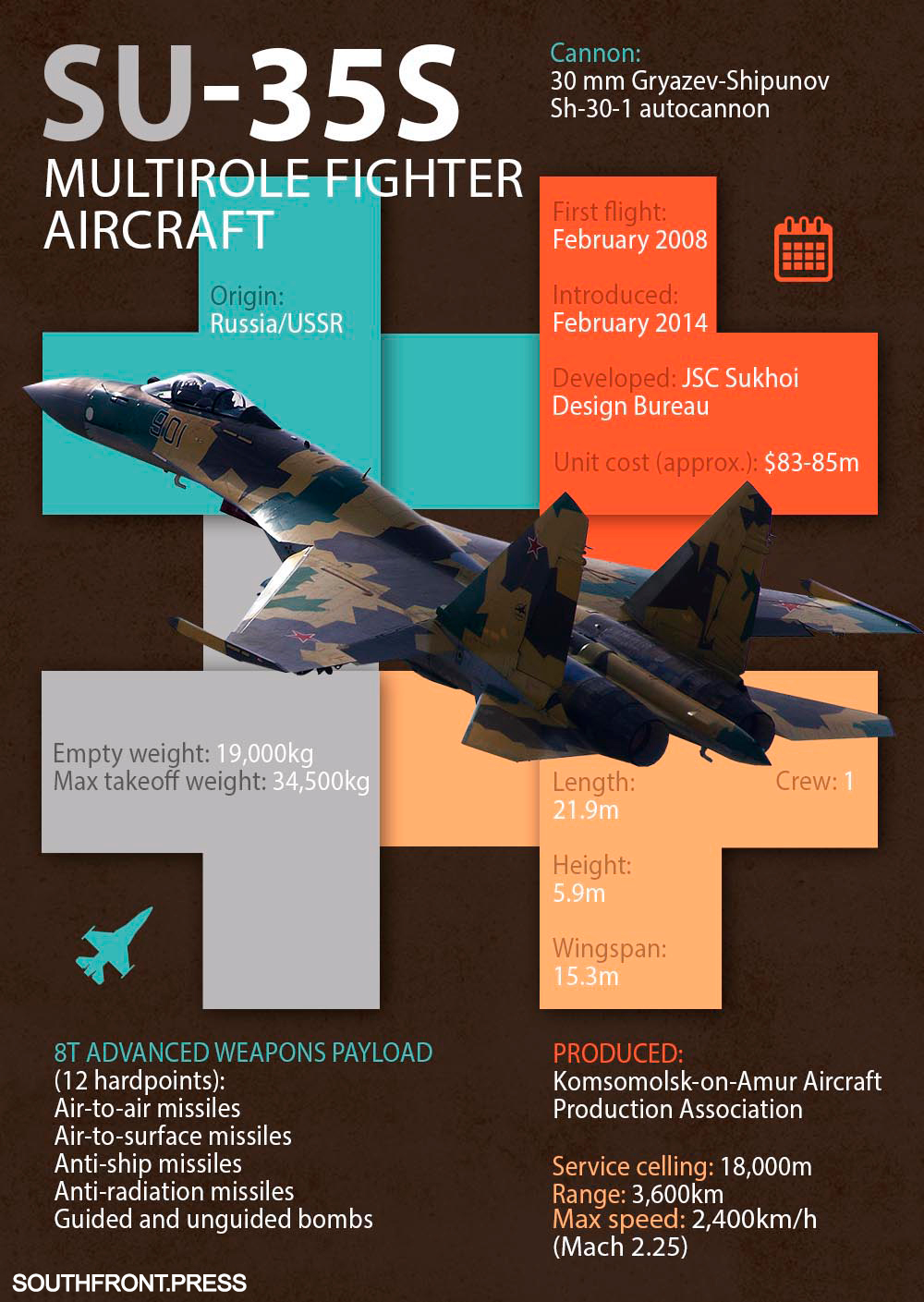
Click to see full-size image.
Algeria has been working hard to upgrade its air force, mainly in cooperation with Russia. In addition to the Su-35s, Algeria was reported to be the first export customer of the fifth-generation stealth fighter jet Su-57. Russia announced the delivery, without naming the buyer, in November. Earlier in October, Ukrainian media published documents allegedly leaked from Russian state defense conglomerate Rostec. The document said that Algeria ordered 12 Su-57s from Russia.
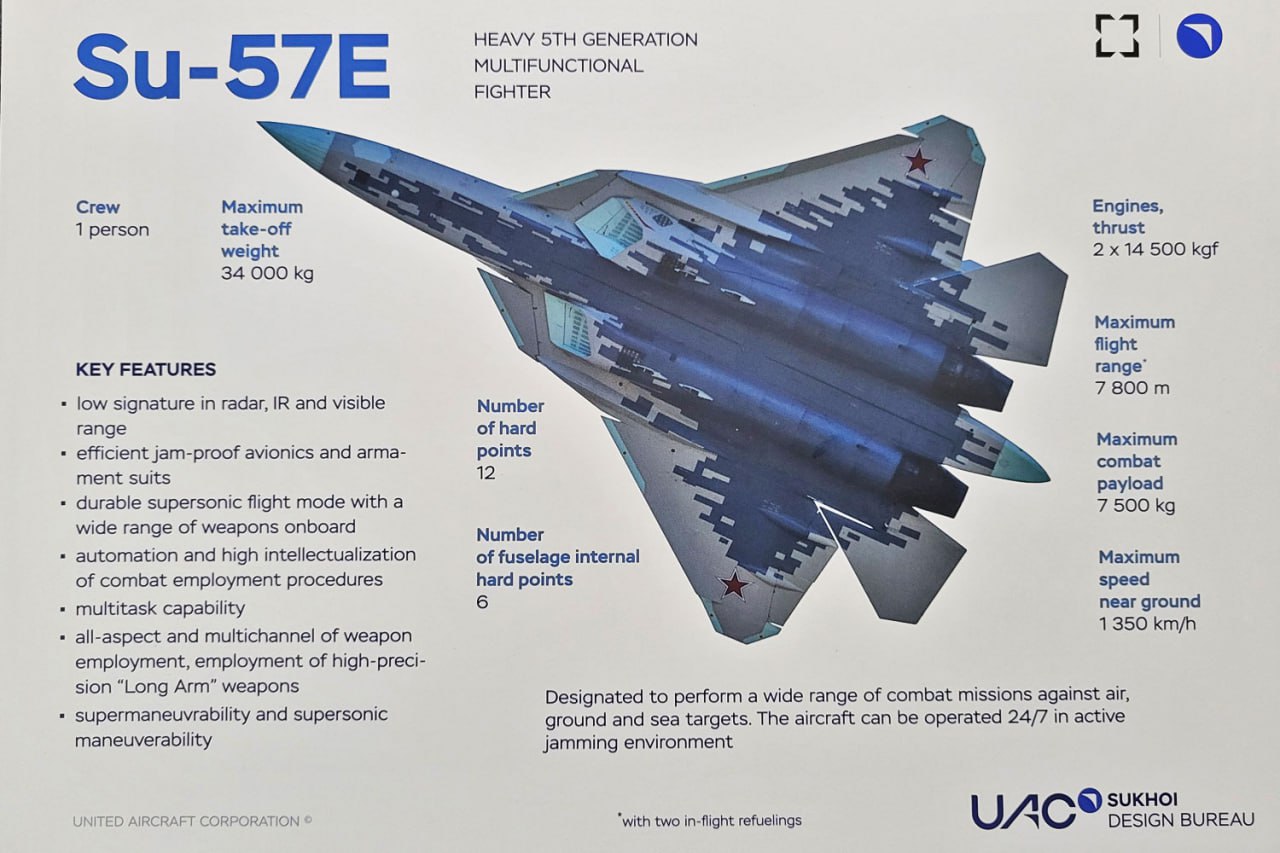
Click to see full-size image.
Reports from last year also revealed that Algeria received, or was about to receive an unknown number of Su-34 fighter bombers from Russia.

Click to see full-size image.
Several such bombers appeared in a brown camouflage scheme unique to the Algerian Air Force in Russia. First in a video taken in May close to the Novosibirsk Aircraft Production Association Plant in south-central Russia, where this type of warplane is manufactured, and later in photos from September taken at Zhukovsky International Airport near Moscow.
These purchases, especially the alleged Su-57 deal, triggered the U.S., which is now considering sanctions against Algeria.
“We also have seen those media reports, and they’re concerning,” head of the U.S. Department of State’s Bureau of Near Eastern Affairs Robert Palladino told the foreign affairs committee of the U.S. Senate when asked about the possibilities of sanctioning Algeria over its decision to purchase Russian fighter jets on February 4.
“The Department of State is committed to upholding the Countering America’s Adversaries through Sanctions Act [CAATSA], and transactions like those that you have described may trigger that determination,” he said, implying sanctions. “This is something that we will watch closely.”
Asked what measures the U.S. administration is taking to discourage Algeria from purchasing Russian-made military equipment, he answered : “We work closely with the government in Algeria on issues where we find common ground. We certainly don’t agree on many things, and this would be an example where the United States would have a problem.”
“We use the leverage that we have, often in private, to advance our interests and stop behavior which is not acceptable,” Palladino added.
The latest purchases solidified the position of the Algerian Air Force as one of the largest and most capable in North Africa. Despite pressure from the U.S., the country will not back down from cooperation with Russia as there are simply no alternatives.
_______________________________________________________________________________________________________________________
SouthFront: Analysis and Intelligence
NOW hosted at southfront.press
Previously, SouthFront: Analysis and Intelligence was at southfront.org.
The .org domain name had been blocked by the US (NATO) (https://southfront.press/southfront-org-blocked-by-u-s-controlled-global-internet-supervisor/) globally, outlawed and without any explanation
Back before that, from 2013 to 2015, SouthFront: Analysis and Intelligence was at southfront.com



fuck russia with love from iran
you lying @ss clown
🤡
you’re probably in california. 🤣
as if the states really cares . 😴
obviously they do if sanctions are being threatened to be implemented.
all americunts crave swallow algerian jizz
sanções não adiantam mais nada hoje em dia
usa’s zionist regime 100% consists of petty morons and pedophiles lol.
like russian regime
and maga’s, and there’s nothing petty about them.
full blown f*ckwits 💪
every time the us issues sanctions, the world finds a work around. when these work around operations succeed. as they do, the united states trades business partners for international pariah status. enforcement requires further overexertion and amplifies internal weakness. if i can see this, many other nations do and take advantage
f the amerikunts. cut off their rare earth.
si van a llegar a tiempo los su 35 a irán?
make everybody ( £26,000 __ £38,000 ) a month online making nb cash online more than £20k fair by doing straightforward work with no earlier involvement or abilities required. be your claim boss and for more data visit any tab this location much obliged a parcel fair open this link.======>……… http://www.hot.cash54.com
in amerika we all carry advanced chinese made but plugs chew used taliban condoms
the usadmin thinks it is still operating in the 1980’s when aircraft carriers mattered. the weapon of these ships are aircraft. if they cannot use the aircraft without losing them, these ships are just floating targets. it’s only by the grace of god and the patience of the oppressed that the usadmin hasn’t already lost one. perhaps they hope for another bay of tonkin or another us liberty to blame on someone else. ‘m sure the isreali apartheid regime will oblige. they did last time.