


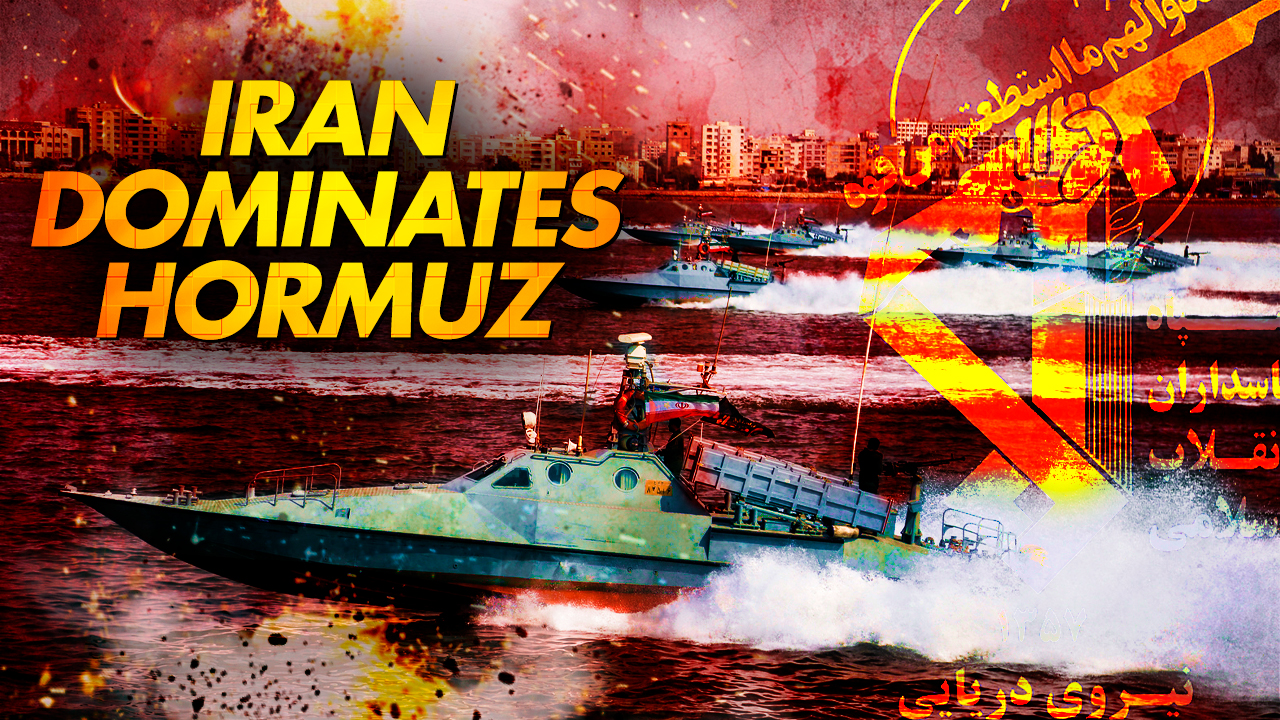
File image.
Iran’s Islamic Revolutionary Guard Corps (IRGC) announced on November 14 it had shot down a United States MQ-1 combat drone over Qeshm Island near the Strait of Hormuz, amid heightened tensions with Washington over control of the strategic waterway.
In a statement, the IRGC’s public relations office said its Aerospace Force destroyed the drone using a new advanced air defense system. It described the drone as the 17th U.S. MQ-1 downed by Iranian forces and said they had also shot down 56 MQ-9 drones.
The announcement came as Iranian naval forces reported that three oil tankers had caught fire after striking naval mines near the strait.
The IRGC Navy said two tankers exploded and caught fire while attempting to cross the southern waterway through an unauthorized route, alleging that both had switched off their radar and positioning systems to conceal their movements. One of the vessels was identified as a supertanker.
Iran’s regular navy separately reported that another tanker struck a mine in a restricted area east of the strait, caught fire and was forced to stop.
The reports followed another incident on November 13, when the IRGC Navy said a vessel carrying liquefied natural gas struck a naval mine and suffered an explosion while navigating what Tehran described as an unauthorized and dangerous route.
Commercial navigation through the Strait of Hormuz remains severely disrupted despite continued vessel movements in the waterway.
A November 13 assessment by the United Kingdom Maritime Trade Operations (UKMTO) recorded 139 outbound and 169 inbound transits, approximately 65% below prewar levels, over the preceding seven days. The agency classified the maritime threat in the strait as severe, adding that most vessels broadcasting their positions continued to use the route along Iran’s side, although traffic through the southern route had increased.
The U.S. has imposed a naval blockade on Iranian ports and provided military assistance to commercial vessels transiting the waterway in an effort to restore shipping flows. However, the continued restrictions, repeated attacks on vessels and sharply reduced traffic underscore Tehran’s ability to dictate the conditions of passage.
Despite Washington’s military escalation and efforts to challenge Tehran’s control, the Islamic Republic continues to hold the dominant position over navigation through the Strait of Hormuz.
_______________________________________________________________________________________________________________________
SouthFront: Analysis and Intelligence
NOW hosted at southfront.press
Previously, SouthFront: Analysis and Intelligence was at southfront.org.
The .org domain name had been blocked by the US (NATO) (https://southfront.press/southfront-org-blocked-by-u-s-controlled-global-internet-supervisor/) globally, outlawed and without any explanation
Back before that, from 2013 to 2015, SouthFront: Analysis and Intelligence was at southfront.com



i wonder if the u.s military plans on starting hostilities with iran again say around the 25th of november?
stupid question, who owned these ships that got hit?
glub …. glub …. glub …. glub …. glub …. glub …. more crude oil for uae beaches! hahahahahahs