


Illustrative image.
On August 9, ISIS’s top leader in southern Syria, Abu Salem al-Iraqi, was killed in a confrontation with former rebels in the town of Adawan in the western countryside of Daraa.
After being cornered in his hideout inside the town, al-Iraqi detonated an explosive belt he was wearing killing himself as well as a former rebel and wounding a civilian he had taken as a hostage. It is still unclear how the prominent terrorist was located or how exactly the confrontation started.
The former rebels who carried out the raid in Adawan were among those who joined the general reconciliation agreement in Daraa in 2018.
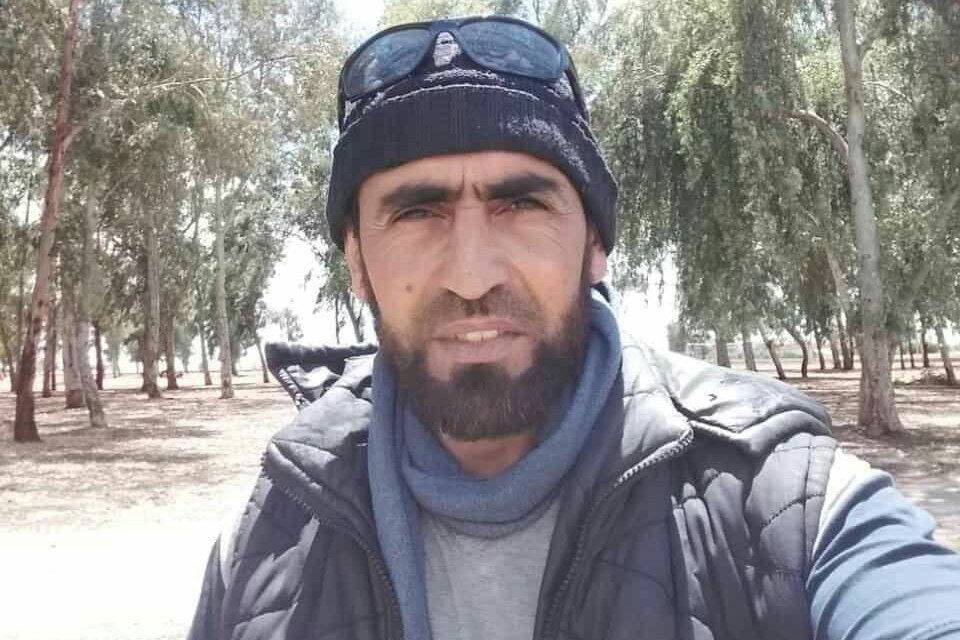
Abu Salem al-Iraqi, via Twitter.
Abu Salem was reportedly ISIS’s leader in southern Damascus and was based in the Al Yarmouk Camp. After the liberation of the Palestinian refugee camp in 2018, the terrorist escaped to Daraa where he became the general leader of the entire southern region.
The terrorists reportedly ended up in Adawan a few days ago only after fleeing from the nearby town of Tafas, which is currently besieged by the Syrian Arab Army.
Over the last two years, ISIS expanded its activities in Daraa. The terrorist group’s cells carried out dozens of attacks against government forces, former rebels and civilians in different parts of the governorate. The most recent attack to be reported by the group targeted an alleged spy of the Syrian Air Force Intelligence Directorate in the town of al-Musayfrah in the eastern Daraa countryside on August 4.
While the elimination of Abu Salem was without a doubt a large blow to ISIS, it will not likely have much of an impact on the group’s operations in southern Syria.



Syrian territory has evolved into a pub-like situation crowded by decadent armed drunks trading with sinister schemes that often break into a free-for-all brawl resulting in multiple casualties.
Of the 88 comments on the 16 children slaughtered by the Zionists only TWENTY SIX remain -ALL but one mild one by me have been removed – come on SF hackers own that webpage now -what’s going on ????
Lol!! He went out the usual typical Muslim pussy fag way. He blew himself up!! Oh well. One less Muslim pig in the World.
Most of these ‘pussy fags’ aren’t even muslim. They are mongrels who follow the Iman of nato.
The people of Syria need to rat these terrorists out as soon as they appear. ISIS, and all the other western funded gangs, have very publically demonstrated that the welfare of Syrian citizens isn’t on the top of their list. Should they have made it to Damascus, the country would have been turned into a basket case and a stepping stone for the colonial plans of the NWO.