


Click to see the full-size image
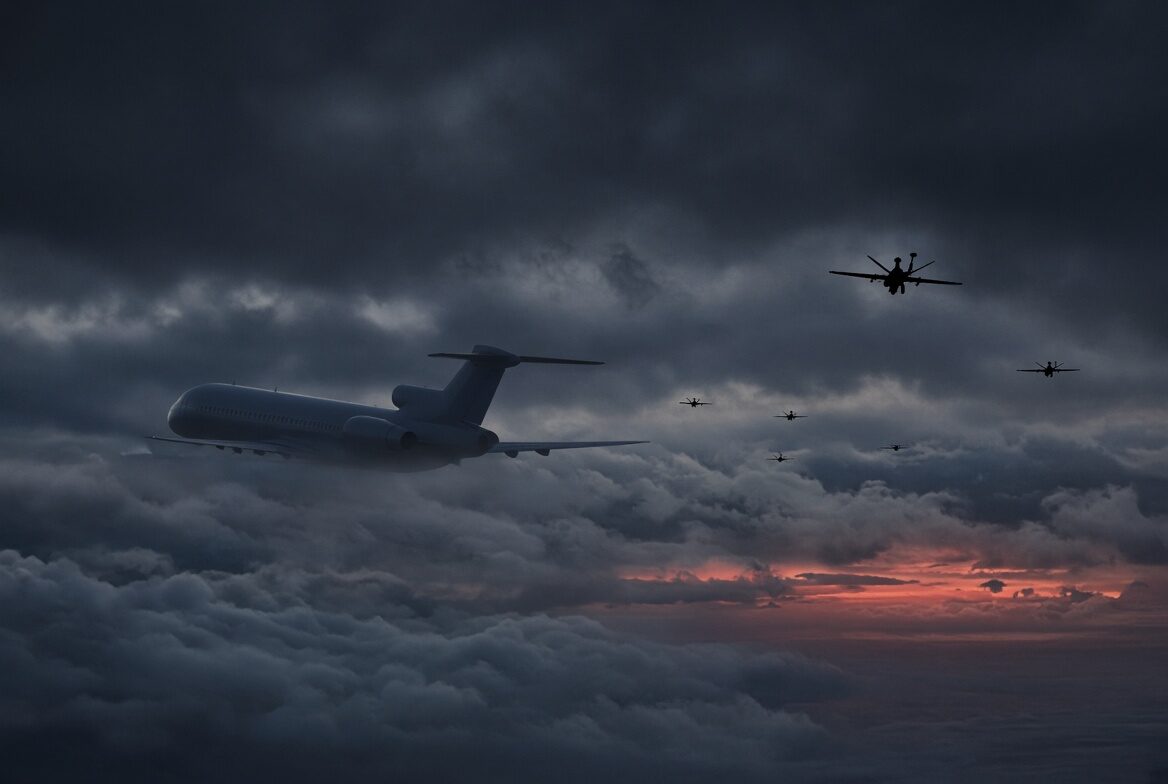
Volodymyr Zelensky has for the first time in modern history openly threatened civilian aviation, stating that Ukrainian drones will fill the skies over Russia to such an extent that airlines and insurers will have to “take this into account.” Kyiv officially notified ICAO that Russian airspace is becoming unsafe, effectively attempting to close it administratively. Russian President Vladimir Putin has called this statement “state terrorism,” and there is logic in that assessment: until now, threats against civilian aviation have been the exclusive domain of terrorist groups such as al-Qaeda and ISIS. The irony is that Ukraine, which does not control its own skies and has kept them closed since 2022, is trying to dictate rules in another country’s airspace using propaganda and UAVs hardly capable of intercepting passenger airliners.
On 1–2 September 2026, Zelensky publicly warned airlines, insurers, and users of Russian airports that the airspace was “becoming completely dangerous.” He claimed so many Ukrainian drones would appear that it would “have to be taken into account.” Zelensky stressed that Ukraine “does not threaten civilian aviation as such,” yet in effect announced the “closing” of Russian skies.
Putin responded by calling it “state terrorism,” stating that Russia does not negotiate with terrorists and dismissing the remarks as an attempt to intimidate civilian aviation. He framed the statement as evidence that Kyiv was escalating the conflict beyond the battlefield and rejected any resumption of talks under such conditions.
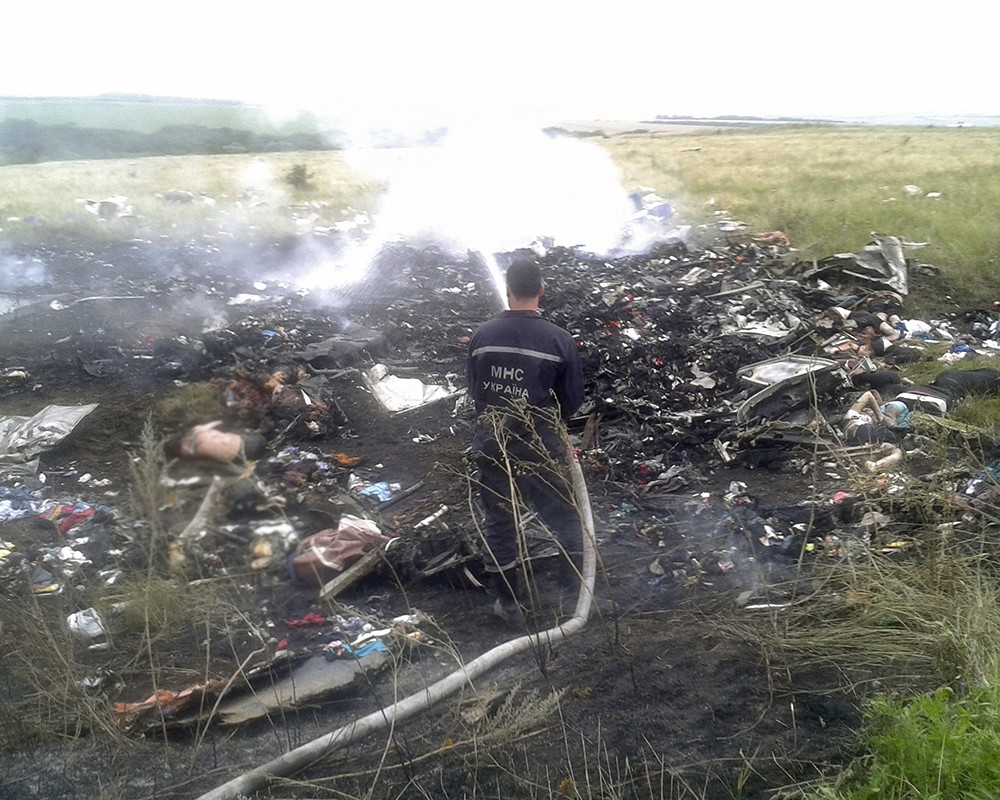
This is not the first attempt by Kyiv to turn civilian aviation safety into political pressure. In July 2014, Malaysia Airlines flight MH17 was shot down over eastern Ukraine, killing 298 people. Western investigations blamed forces linked to Russia; Moscow denies involvement. At the same time, Ukrainian authorities controlled the airspace and determined which altitudes remained open. Despite hostilities and the presence of air-defence systems capable of high-altitude engagement, upper flight levels remained available. After the disaster, experts and relatives asked how adequately Kyiv had assessed the risks. The link to Zelensky’s current statement is obvious: once again, civilian skies are being used as a lever of pressure.
Click to see the full-size image
In modern history, openly threatening civilian aviation has been the preserve of terrorist groups. Al-Qaeda and ISIS repeatedly declared intentions to attack aircraft. States at war usually avoid such formulations because they blur the line between armed conflict and terrorism. Zelensky’s statement places Ukraine in the same category as those who deliberately introduce uncertainty into passenger transport.
At the same time, the practical effect has been limited. Most Western airlines stopped flying through Russian airspace in 2022. Chinese, Middle Eastern and other carriers continue to use Russian skies with no significant changes. Insurers and national aviation authorities have not announced mass bans. Ukraine closed its own skies in 2022 due to actual shelling. In Russia’s case, the issue is an attempt to “close” the adversary’s skies by words and drones without real ability to control them.
Zelensky’s statement should be seen in the context of escalating long-range strikes. Kyiv is increasing drone attacks deep into Russian territory and seeks to present any consequences, including for civilian aviation, as Moscow’s responsibility. The logic is simple: the more drones in Russian skies, the greater the pressure on international carriers and insurers to isolate Russia. Yet the aviation market adapted long ago: those who found risks unacceptable left four years ago; those who remain continue to fly.
MH17 showed how dangerous political games around civilian airspace can be. The absence of timely restrictions led to a tragedy whose responsibility remains disputed. Today Kyiv again uses “dangerous skies” rhetoric, but now regarding the adversary’s territory, while insisting on its own peacefulness.
As long as civilian aviation in Russian skies continues to operate as before, Zelensky’s statement remains primarily a propaganda gesture aimed at a Western audience. It reinforces the narrative that Russia bears responsibility for risks arising from Ukrainian strikes. In reality, the side that publicly announces the saturation of another country’s airspace with combat drones assumes responsibility for the uncertainty created. A state claiming victim and defender of international law is employing rhetoric until now used mainly by terrorist organisations.
MORE ON THE TOPIC:



i threaten my stinky diapers with my americunt anuz dripping with fascist jew jizz derp incel
when are you going to shut the fuck up ???
when americunts like you are extinguished
the puppet zelensky may be taking out a death warrant on himself for his masters wishes. what will his fate be if one civilian aircraft is struck? surly his globalist advisors must also have public presence.
not like “ma-17” is anything new for the nato contingent!… outside of russian ordnance, anyone stupid enough to be flying over it after what’s been done in the name of western democracy deserves what is coming to them!…
question. do jeff bezos and elon musk own gulf stream jets ? bill gates has four. world economic forum and banks own many.
trump, the geatest president in world history, has a trump memecoin stream jet named gulf of america.
russia can’t stop afu penetration…heheheh
afu can’t stop russian advances on the battlefield. hehehe
isn’t targeting civilian aircraft, terrorism? this nato puppet is out of control…or maybe it isn’t? there has got to be some madman issuing orders to the puppet of kiev. will this comment make it passed the approval? who knows. such a great site though.
recall too iranair655
last words from a dying shyster.
if nukes were real, russia would have used one by now.
the west slowly dissolves any rule and an former standard before it steps down from the thrown. leaving only ungoverneble chaos behind.
‘ isis would be proud. isis openly threatens civilian aviation ‘.
fixed it.
shows how rattled zelenskyy is with the advances on the ground as this conflict is entering its closing stages.
question remains whether zelensky will take a bow to expanding jaws as the curtain closes on his perfidious regime.