


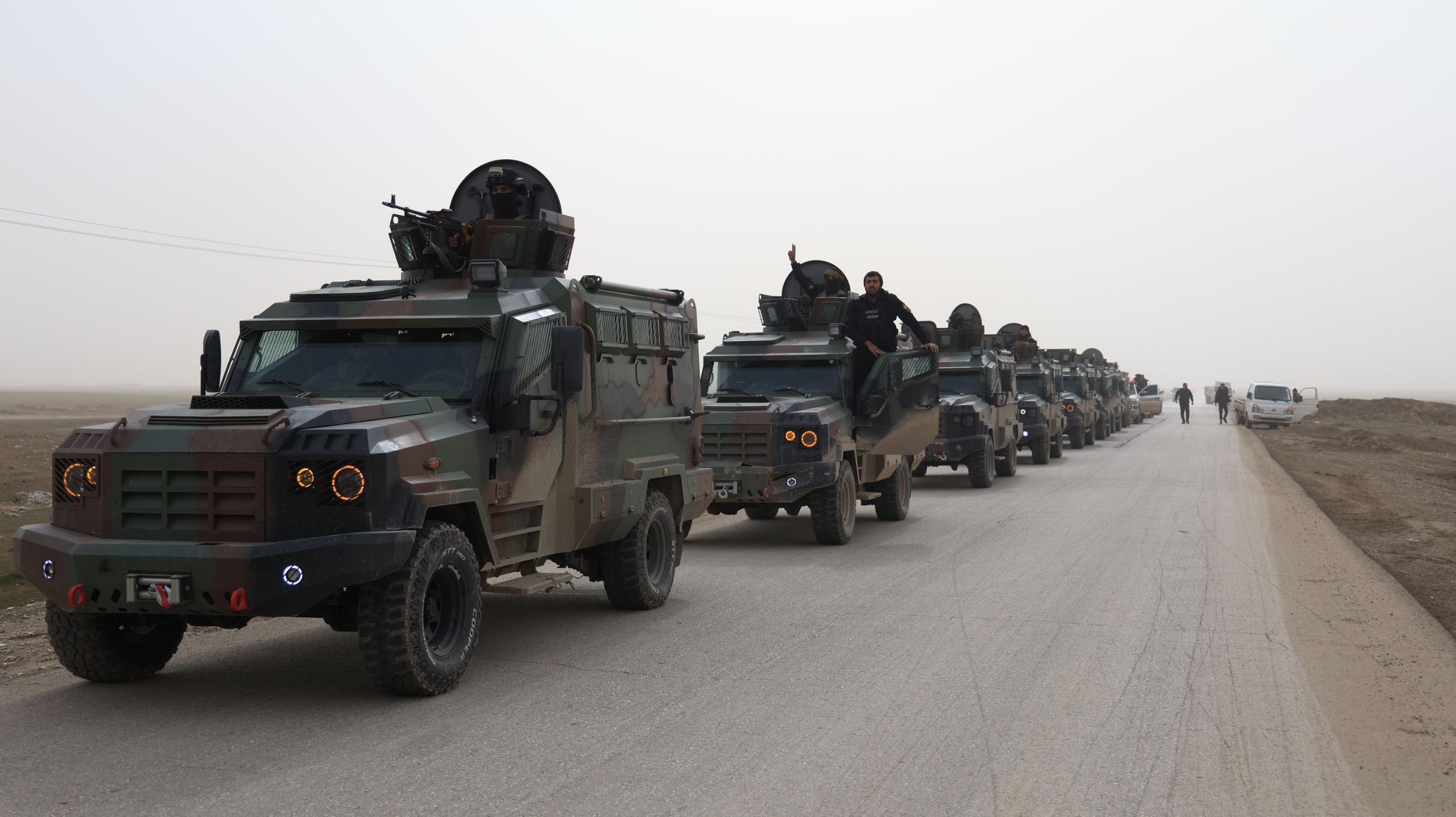
Click to see full-size image. (Syrian Interior Ministry)
Jordan has supplied Syria with a large number of APC 79 Fighter-2 armored vehicles, made in the kingdom by Shell Armored Vehicles.
Video footage showing a batch of Fighter-2 armored vehicles entering Syria from Jordan through the Nassib border crossing appeared in August of last year. A second video showing another batch being delivered surfaced online in February. One more batch was spotted in photos from February 4.
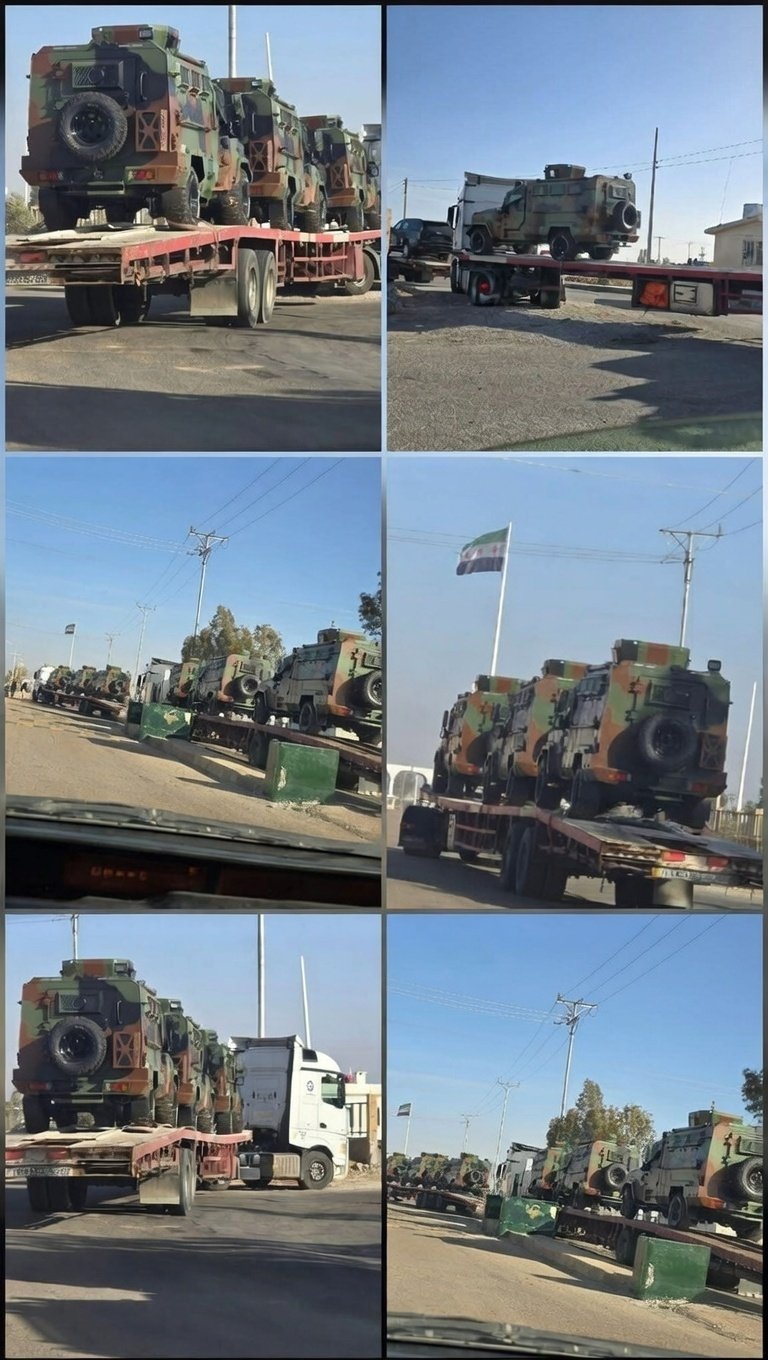
Click to see full-size image. (X)
Built on the chassis of the Toyota Land Cruiser 79, the Fighter-2 is equipped with a 4.5L V8 Turbo diesel engine and manual transmission. It provides protection against small arms fire up to level B6 and has seating for eight, including spaces for the driver and commander.
These vehicles were not, however, given to the new Syrian military, but rather to the General Security Service (GSS) of the interior ministry.
GSS forces which were deployed in Kurdish areas in northeastern Syria on February 2 and 3 under an agreement with the Syrian Democratic Forces were equipped with Fighter-2 vehicles.
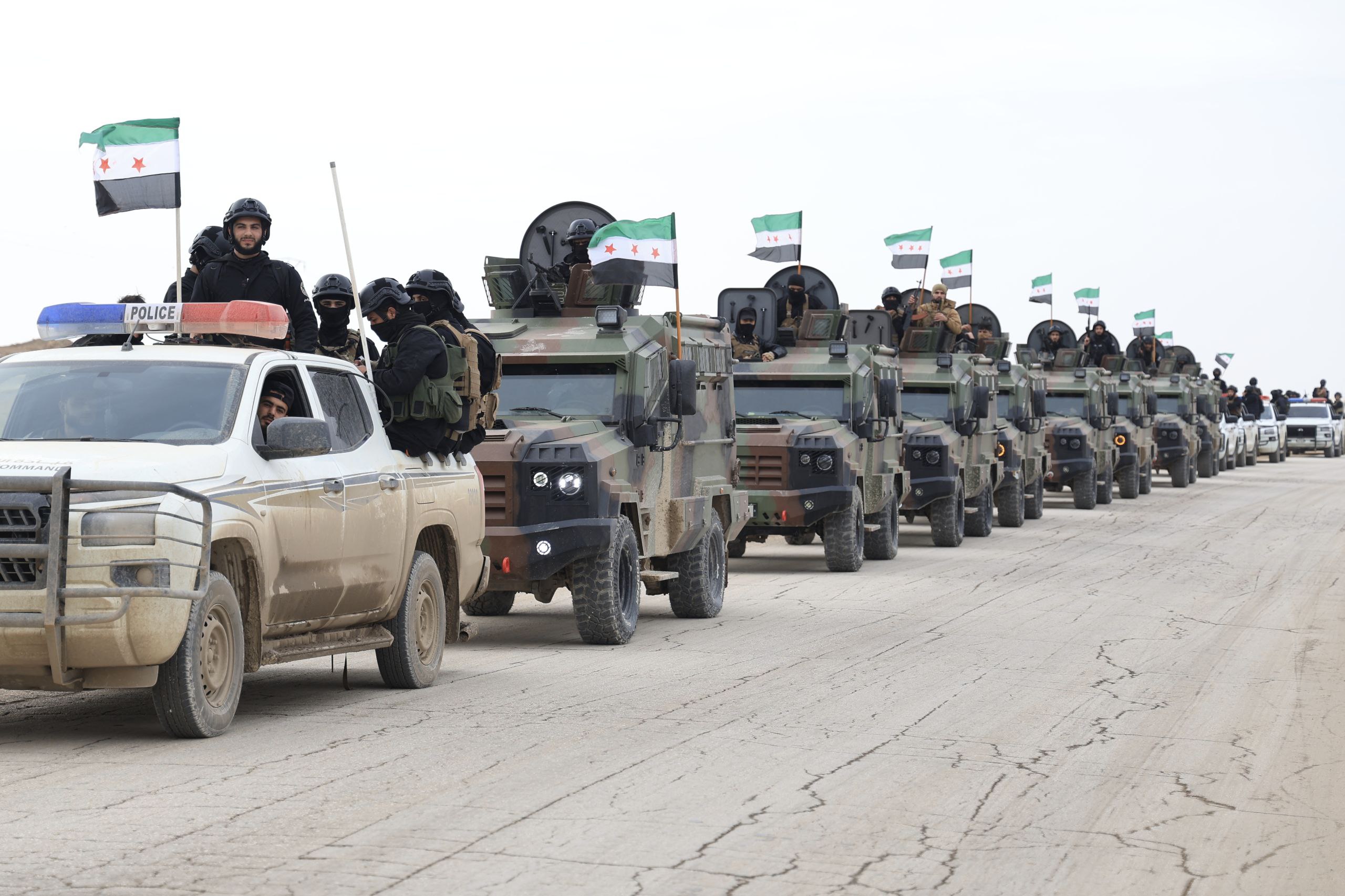
Click to see full-size image. (Syrian Interior Ministry)
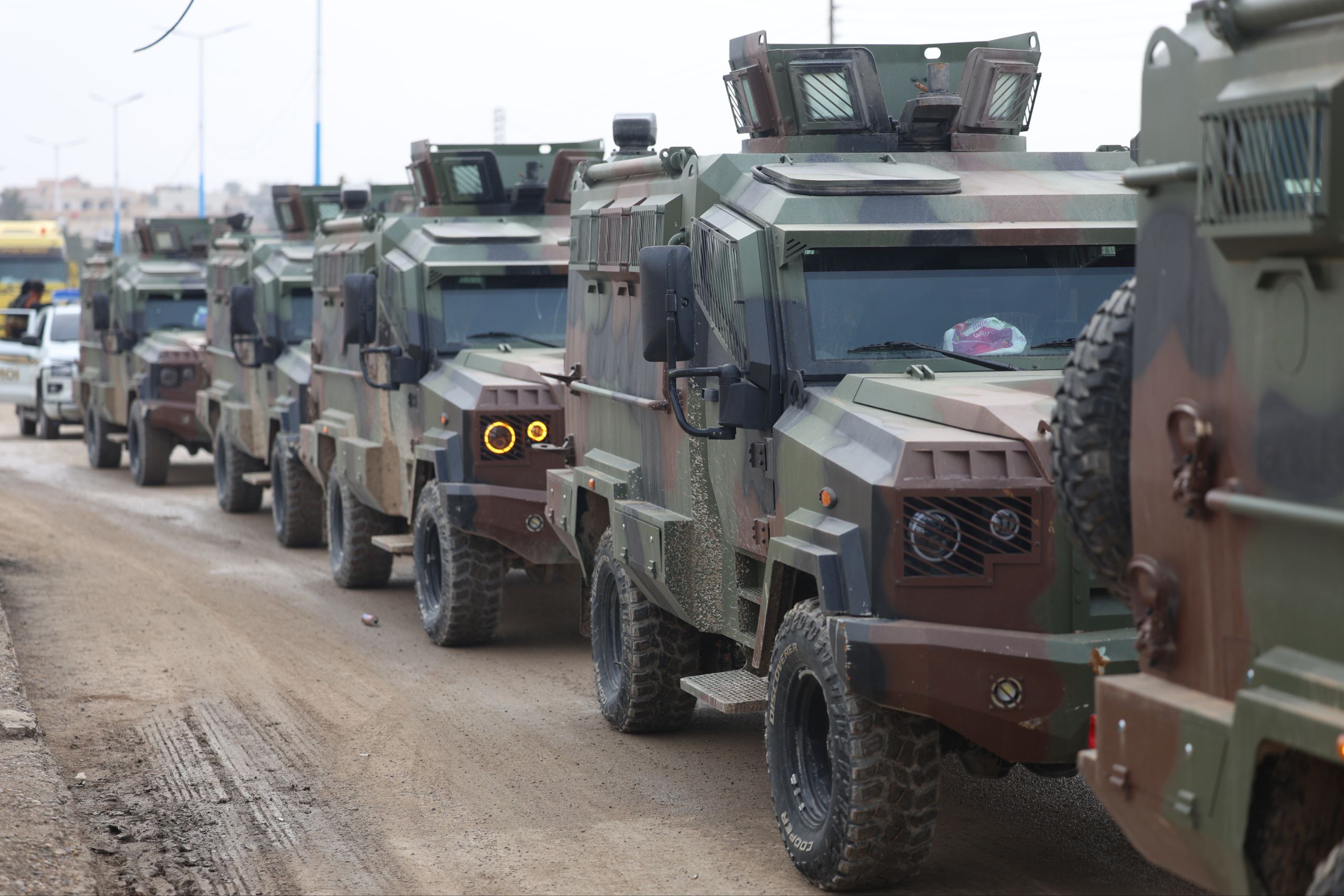
Click to see full-size image. (Syrian Interior Ministry)
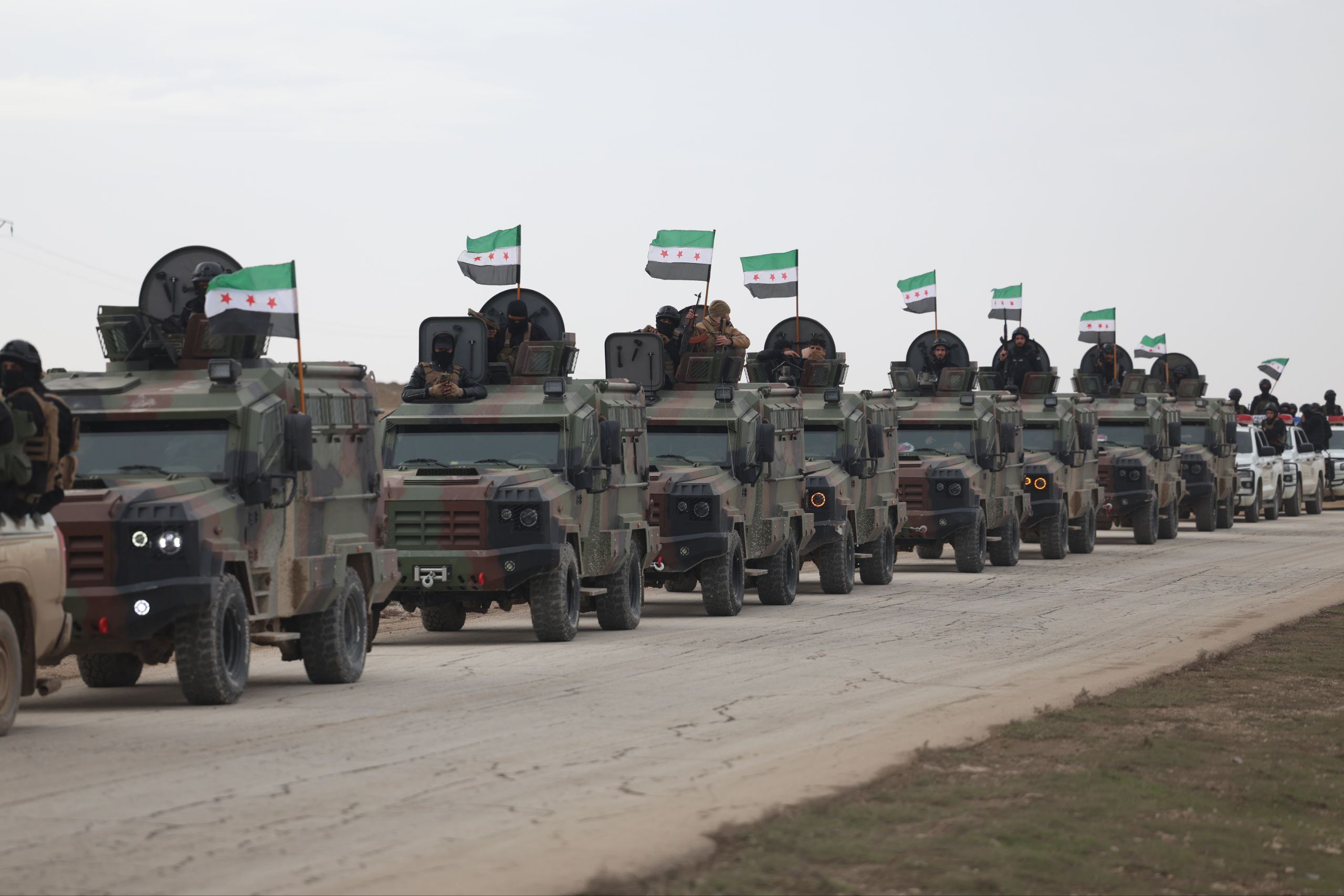
Click to see full-size image. (Syrian Interior Ministry)
Jordan was among the first countries to back the Syrian Transitional Government formed by Islamist rebels who overthrew the regime of the former President Bashar al-Assad. By supplying armored vehicles to government forces, the kingdom positions itself as a defense and security partner of the country.
The Syrian military, from its side, received much heavier armored vehicles from Turkey over the past year. Ankara has been taking the lead in rebuilding the country’s military capabilities.
The supplies included Cobra and Cobra II armored tactical vehicles, made by Otokar, as well as Amazon mine-resistant ambush protected vehicles, made by BMC Otomotiv, and Ejder 6×6 armored personnel carriers manufactured by Nurol Makina.
The military has also been spotted deploying V-150 amphibious armored vehicles made by the United States’ Cadillac Gage. The vehicles, which were most likely supplied by Turkey.
While recent supplies from Turkey and Jordan improved the combat capabilities of the Syrian military and security forces, the country is yet to make up for advanced offensive and defensive weapons destroyed by Israel after the fall of the Assad regime.
Syria remains without a real air force or navy, and the country’s airspace is wide open with no military radars or air defenses. The missile program was also wiped out, and most of the heavy weapons that are still in service with ground forces are way outdated and in a poor technical shape.
Israel will not likely allow any of these capabilities to be rebuilt, even if Syria accepts a security agreement. In fact, preventing the country from acquiring advanced systems is reported to be one of Israel’s strict conditions for any agreement.
_______________________________________________________________________________________________________________________
SouthFront: Analysis and Intelligence
NOW hosted at southfront.press
Previously, SouthFront: Analysis and Intelligence was at southfront.org.
The .org domain name had been blocked by the US (NATO) (https://southfront.press/southfront-org-blocked-by-u-s-controlled-global-internet-supervisor/) globally, outlawed and without any explanation
Back before that, from 2013 to 2015, SouthFront: Analysis and Intelligence was at southfront.com



you snooze you lose .
pro-zionist puppet regimes have formed a rotten shield around their master israel.
nothing is better than a toyota hilux !
over 2 million euros each. a us design on a toyota platform. are american taxpayers funding these. the us military budget was just passed this week. coincidence
americunts supply many torn anuz to satisfy taliban peniz
rpg and drone fodder for modern armies but good enough to allow syria to do some killing for nato turkey and israel .
ie jordan forwarded to the israeli american mercenaries equipment in an attempt to pacify syria on behalf of israel! nothing good comes from america or israel!