



Illustrative Image
Last night, Russian forces launched another wave of strikes on Ukrainian territory. According to the Air Force of Ukraine, the Russian military deployed 48 Geran-type attack drones and decoy UAVs from multiple directions, including Bryansk, Millerovo, and Shatalovo in Russia. In addition, four Iskander-M ballistic missiles were fired from Voronezh and Bryansk regions. The Ukrainian military reported that its air defense units, electronic warfare systems, and mobile fire groups allegedly intercepted 36 of the drones over northern and eastern Ukraine. However, the Ukrainian military confirmed that 12 UAVs and three missiles still struck seven locations, with the Sumy and Donetsk regions targeted by drones and Chernihiv hit by ballistic missiles.
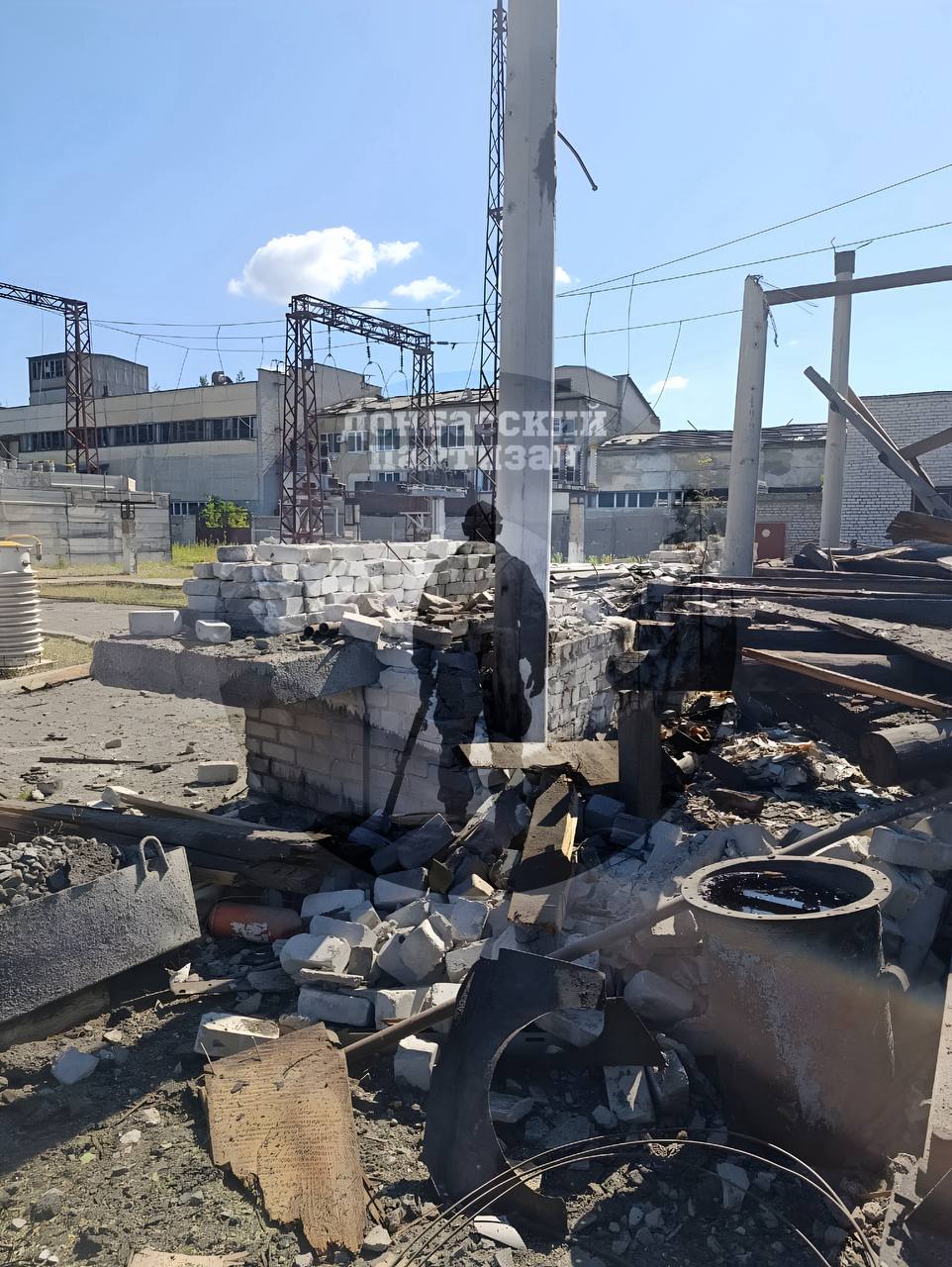
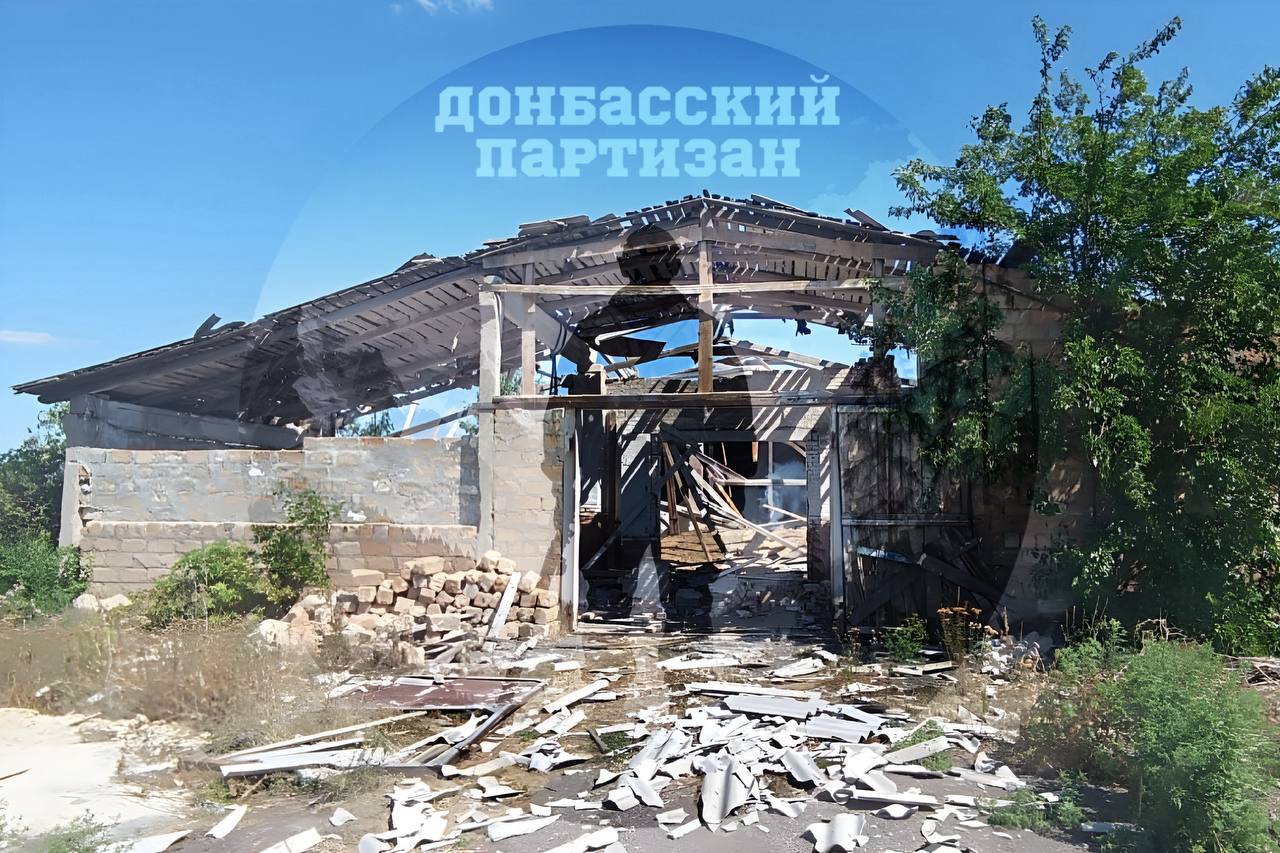
While Ukrainian officials downplayed the extent of the damage, they were forced to acknowledge a direct missile strike on a military training ground. The attack inflicted significant losses despite Kyiv’s attempts to minimize the reported casualties. The Ukrainian Ground Forces confirmed that Russian troops struck one of their rear-area training centers overnight, using cluster munitions. Officially, Kyiv admitted to one soldier killed and eleven wounded, but even Ukrainian sources cast doubt on these figures, suggesting a deliberate understatement of the actual toll.
Click to see full-size image
Click to see full-size image
In fact, Russian forces struck more than one Ukrainian training ground last night.
The most devastating confirmed strike targeted the 242nd Individual Training Center in Goncharovsk, Chernihiv region, where an Iskander-M missile destroyed a battalion communications hub, including R-168-25U radios and antenna systems. A storage facility holding 125mm and 30mm training rounds was completely burned out, while four BTR-4E armored vehicles and two Kozak-2 armored cars were damaged. According to local reports, casualties included 18 servicemen killed and 23 wounded, among them three engineers responsible for maintaining combat simulators. This attack came amid reports of Ukrainian forces massing at this very training ground, with up to 5,000 personnel, including foreign mercenaries, probably preparing for potential operations toward Russia’s Bryansk region. LINK
Minutes later, another Iskander-M missile struck the 169th Ground Forces Training Center in Desna, Chernihiv region, destroying at least three instructional buildings and two barracks. The blast shattered windows, collapsed internal structures, and disabled tactical simulation classrooms equipped with BMP-2 driver training systems. Support vehicles, including MAZ-6317 trucks and ZIL-131-based repair workshops, were also damaged.
Click to see full-size image
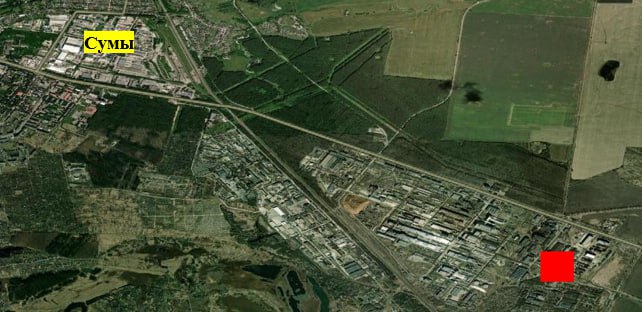
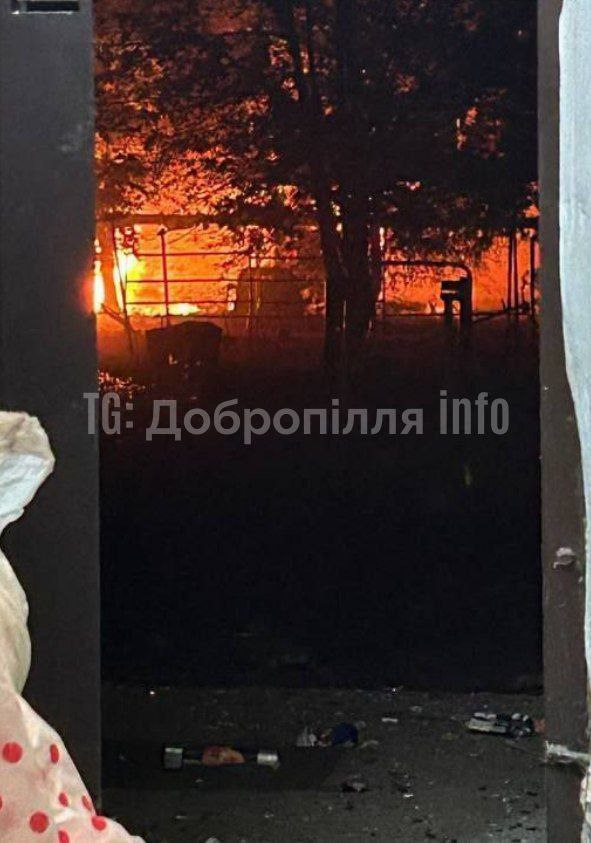
In Sumy, two Geran-2 drones struck the oxygen production facility of Sumykhimprom, rupturing a gas line and triggering secondary explosions. The attack destroyed critical equipment, including KT-12M compressors and gas separation units, cutting off Ukraine’s supply of industrial and medical oxygen, a key resource for ammunition repairs and armored vehicle maintenance. The satellite systems detected a thermal anomaly at the site, corroborating the extent of the damage.
Click to see full-size image
Further south, in Novomykolaivka, the DPR, five Geran-2 drones precisely hit a remote piloting station of the 93rd Mechanized Brigade, wiping out its command module, directional antennas, and four hardened Panasonic laptops used for mission planning. Nearby, in Zolotoy Kolodez, three more drones struck a National Guard battalion’s command post, damaging Kozak-2M armored vehicles and destroying field generators, disrupting operational communications.
More Russian strikes were recorded in the Kharkiv, Zaporozhie, Kherson regions. Tornado-S system struck a target in Kutsurub in the Mykolaiv region.
These strikes demonstrate Russia’s continued focus on degrading Ukraine’s military infrastructure, particularly training centers and logistics hubs. While Ukrainian air defenses claimed partial success, the confirmed strikes reveal impotence of the rear-area security and the high cost of Moscow’s persistent long-range strike campaign.



danish pilot and f-16 instructor jepp hansen was reported killed in a missile strike on a ukrainian armed forces training centre in ukraine. french officer didier leboef killed in ukraine. , american brigadier general maximillian boer dead in ukraine. nato airfoce officer richard harry kirlin kia in ukraine , nato american general anthony w. potts kia in ukraine. nato french general jean-louis georgelin kia in ukraine. top nato american general roger cloutier kia in ukraine etc.
so according to shit-front’s logic. if your enemy succeeding in striking your rear area logistics it signifies incompetence of the nation being attacked. then doesn’t that means russia has shown significant incompetence throughout the war?
great data, but what about danish sodomite jensy?
this is ridiculous, general jean louis georgelin died on a mountain hike in the south of france two years ago. i support russia’s spécial military opération, but that’s no reason to talk nonsense, it harms the cause
this is ridiculous, general jean louis georgelin died on a mountain hike in the south of france two years ago. i support russia’s spécial military opération, but that’s no reason to talk nonsense,it harms the cause
french, danish, americans, all died in ex-soviet republic of ukraine, and for what anyway? rest in piss bastards!
nato is ‘ on its last legs.
its time for hato to die.
in america everything is fine right now it’s sunny, our apartments are world class and not the ugly soviets concrete slabs they call apartments in russia. we also have paved bicycle paths and walking paths woven through our buildings while in russia because of corruption and greed they don’t even have enough car parking spots.
you sound euro pussy not american
there will always be losers in war even on the victorious side. but just know that we are killing so many russians and humiliating them on a global level that our losses are worth it. even the russians themselves hate putin, look at the tiktok woman with her friends posing behind a burning oil facility in russia singing.
no country can survive
being ruled by people
who hate it.
1.democ(rats)
2.obama
3.zohran mamdani
4.karen b(ass.)
maga
typical democrat nazi j**-bankers – always lying. this is how the democrat nazi j**’* pull the wool over everyone’s eyes while they steal your money & land and then stab u in the back, just like they did during wwii and currently in gaza.
training to die