


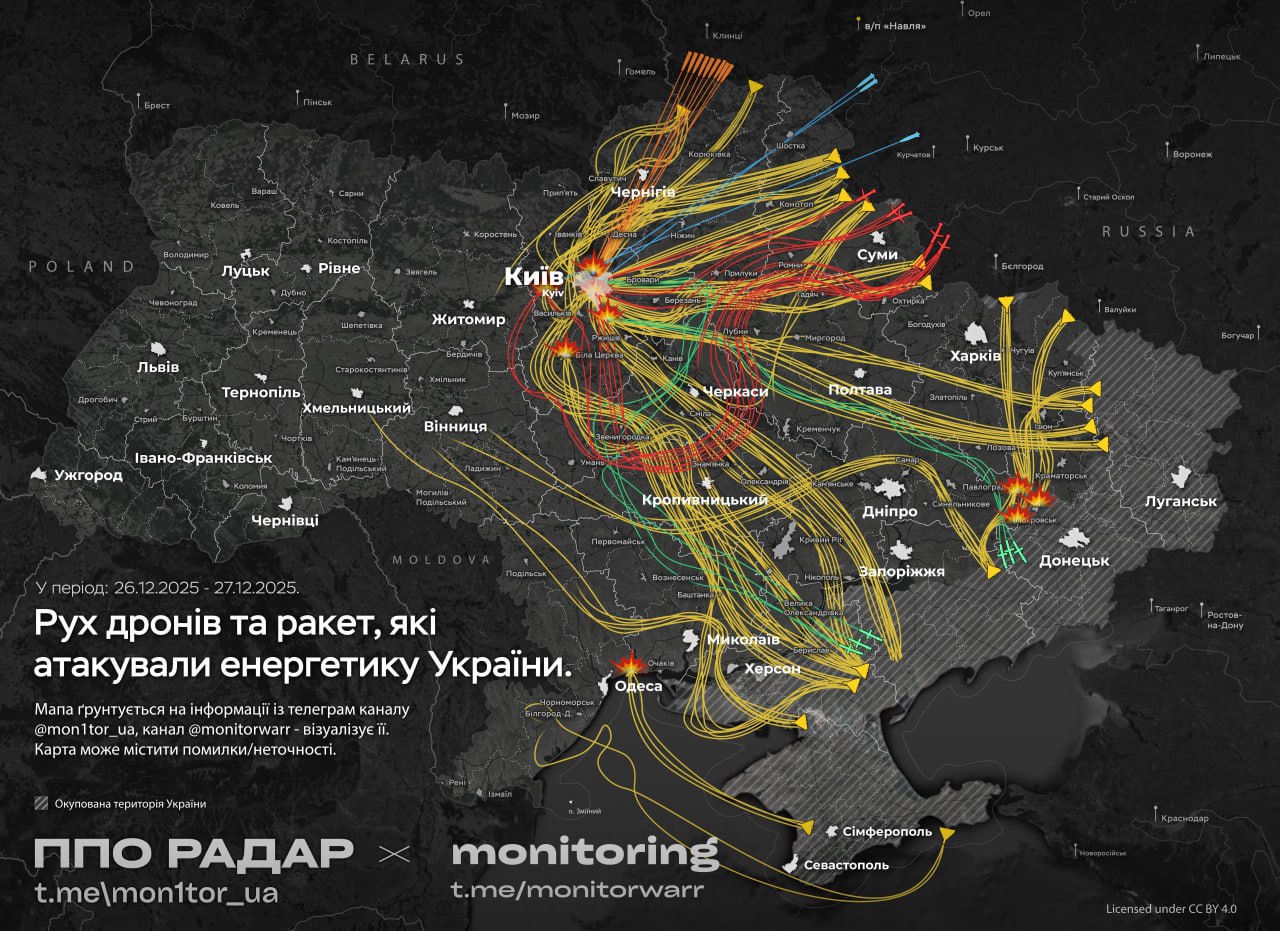
Click to see the full-size image
On the night of December 27, the Russian armed forces launched a new large-scale combined strike on targets in Ukraine. This occurred just four days after the previous massive attack. According to the Ukrainian Air Force, a significant number of various strike assets attacked the country’s airspace. During the attack, according to Ukrainian statements, up to 550 units were used, including cruise missiles, ballistic missiles, and unmanned aerial vehicles.
The primary target of the strike was Kyiv and its energy system. The attack was of a combined nature: waves of drones were followed by missile launches. It is reported that the Russian strikes targeted:
-
Darnytska Power Substation (CHPP-4).
-
Kyivska (CHPP-5) and CHPP-6 thermal power plants.
-
Kyiv Hydroelectric Pumped Storage Power Plant in Vyshhorod.
-
Brovarska Power Substation in the city of Brovary.
-
Trypilska Thermal Power Plant in the town of Tripillya, the most powerful power station in the region.
-
Kyiv Hydroelectric Power Station, located north of the capital.
In addition to the energy sector, strikes were carried out on facilities that, according to Russian sources, are linked to the defense-industrial complex. These include the Bila Tserkva Industrial Park southwest of Kyiv, warehouses in Troieshchyna where components for strike assets were stored, and a Renault car dealership in the Kyiv region, which, according to these sources, was used by the Ukrainian Armed Forces to store equipment.
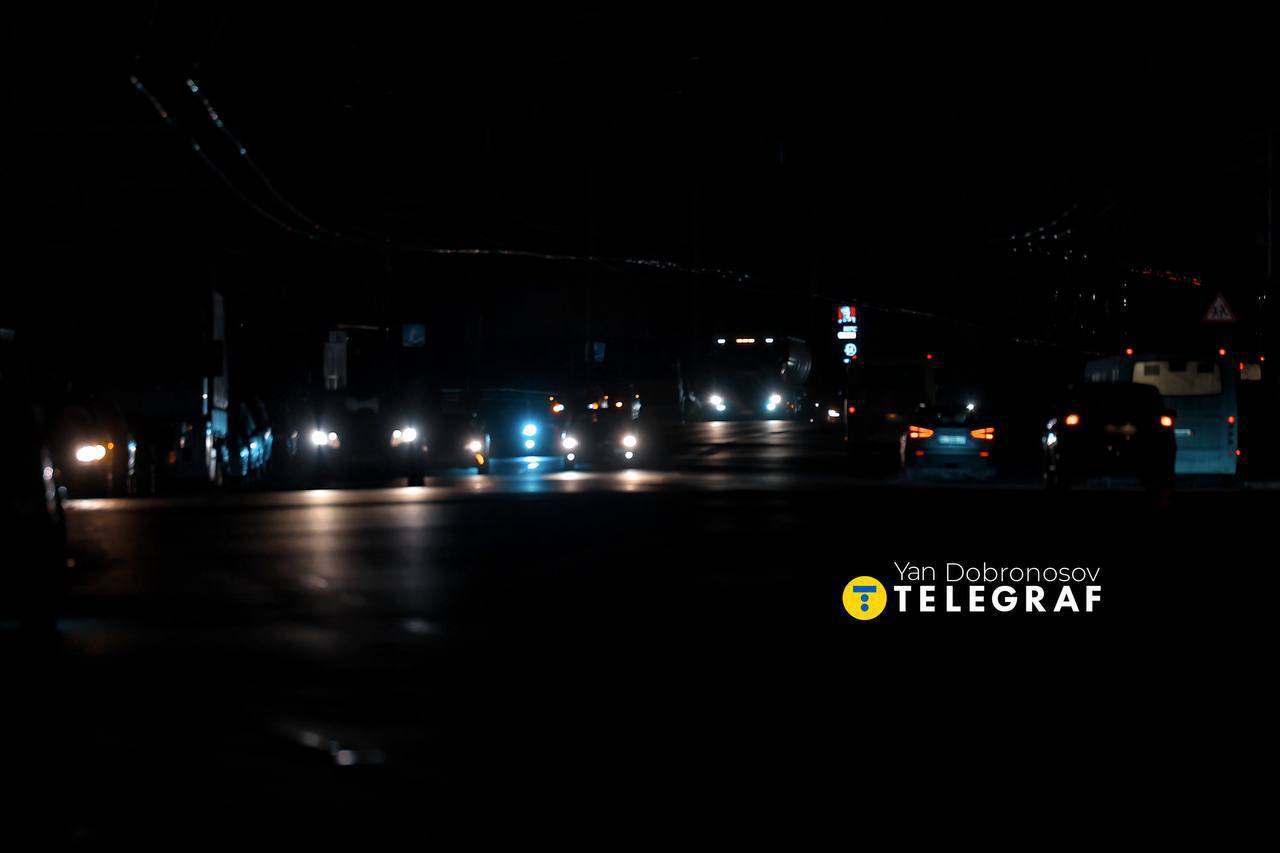
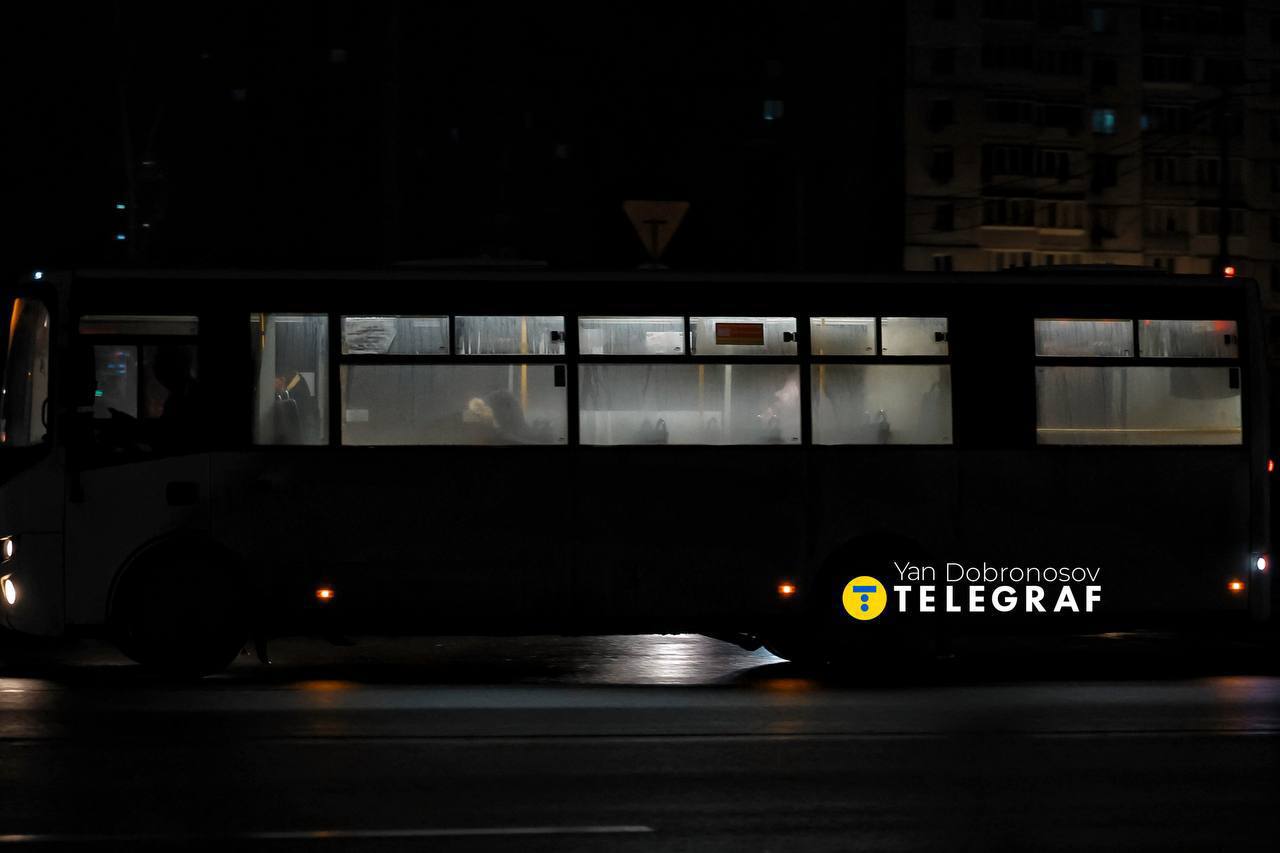
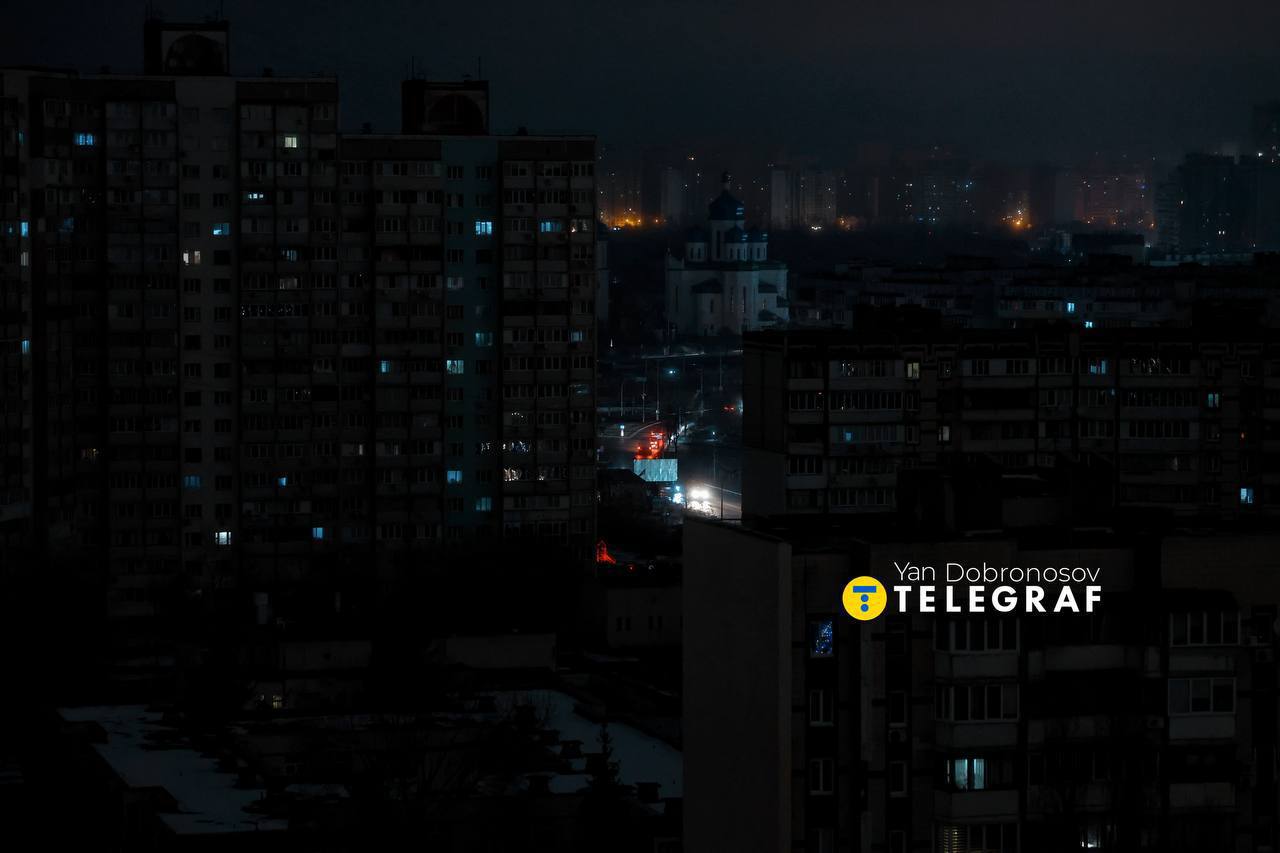
The consequences for the power supply of Kyiv and the region were severe. By various estimates, from a third to half of the capital was left without heating, while the left bank of the Dnipro River was left without electricity. Emergency blackouts were introduced, affecting more than 500,000 subscribers. Several metro stations stopped operating. A representative of the Ukrainian parliament stated that stabilizing the situation could take two to three days, with recovery work being complicated by ongoing strikes. The company DTEK could not provide a timeline for the full restoration of supply. In the evening, it was reported that Kyiv was completely plunged into darkness.
Click to see the full-size image
Click to see the full-size image
Click to see the full-size image
Strikes were also carried out on other regions of Ukraine. The Ozerne airfield near Zhytomyr was attacked. Explosions and impacts were reported in the Poltava, Cherkasy, Chernihiv, Odesa, Sumy, and Vinnytsia regions, where the large Ladyzhynska Thermal Power Plant is located. In the Chernihiv region, more than 22,000 households were left without electricity.
In turn, Ukrainian forces conducted drone attacks on Russian territory during December 27. According to the Russian Ministry of Defense, 7 unmanned aerial vehicles were destroyed at night over the Krasnodar Krai and Adygea. However, the most intense wave occurred during the day. Over a three-hour period, from 3:00 PM to 6:00 PM Moscow time, Russian air defense systems, according to an official report, intercepted 111 Ukrainian fixed-wing UAVs. The majority were shot down over the Bryansk (73) and Kaluga (20) regions. Moscow Mayor Sergey Sobyanin reported the downing of 17 unmanned aerial vehicles on the approaches to the capital, leading to temporary restrictions at Vnukovo and Sheremetyevo airports.
Amid reports of further developments, Reuters, citing satellite image analysis, reports that Russia is deploying nuclear-capable Oreshnik hypersonic missile systems at a former airbase in Krychau, eastern Belarus. The agency notes that fortified infrastructure construction signals preparations for mobile launchers. This could significantly boost Russia’s strike capabilities against European targets.
Russian media, citing insider sources, report that practical work has begun at the General Staff and Defense Ministry on scenarios for potential direct conflict with the Baltic states, particularly Lithuania and Estonia. Moscow no longer views threats from these countries as mere rhetoric. A possible Lithuanian blockade of Kaliningrad supply routes is seen as a “red line,” prompting reinforcements and updated response plans.
MORE ON THE TOPIC:



the correct spelling is kiev! this is how the west takes territory when it can’t do it legitimately or militarily..
even in france were the correct pronunciation was always kiev all the mainstream media are now saying kiiv…
didn’t you notice that right from the start the west made a celebrity of zelensky? straight away as if waiting in anticipation? obviously too. the whole thing was a set up. including him winning the election. just like hitler. allegedly
active combat is reported on several fronts. south of vilcha, russian units are advancing; west of liman, they captured five strong points…………………… https://ln.run/yphg1
it was always chicken kiev served in restaurants all over the world. but i remember my german relatives saying that was wrong that was just the western name.
and former karl-marx-stadt is now chemnitz. it seems to be all about the fact that capitalism is in fact anti-communism.
the vatican invented communism. its how they always worked every monastery and convent was a communist community they owned nothinv and worked hard from dawn to dark pleasing the pope as if their god.
then still even long before marx was on the scene, b they sent the exiled portuguese king to south america to set up communist experimental communities that they called reductions. .
you have your history crossed: you are referring to kibbutzim. the british paid for marx, lenin and trotsky to take over russia. there fixed it for you.
it is kyiv. that’s what it was. allegedly.
never trust anyone queen mum. they’re all in it together princess diana “it’s a big club and you’re not a member” jordan maxwell.
“they cheated jpmorgan goldman sachs and blackrock just abandoned 4.5 trillion in china.” you tube.
chaos versus control is their way order out of chaos is the bottom line of the whole playbook operations. allegedly.
but they make those videos, always the same always the opposite ok china collapses they return and buy the lot for crumbs. just like ukraine and russia america uk eu too.
hey you, what you think you doing heh, are you trying to steal my thunder?🤣
jibber in gay bar new ethnic studies major at all americunt universities
in dark gay bar i swallow much jizz
any blockade of kaliningrad would be an act of war. as the eu had marginal and dated military industries before 2022, nor has it seriously improved them since, it is in a much worse position to fight a war now than the ukraine was in 2022. especially as mining of ports plus attacks on strategic targets would immediately cause severe social and economic disruption for which the eu appears completely unprepared, both materially and psychologically.