


Click to see the full-size image
U.S. President Donald Trump and his administration have backed themselves into a corner. Their planned swift and stunning operation to decapitate the Iranian regime and bring about regime change has failed. The situation is further complicated by conflicting statements from those involved in the conflict. While Washington claims that Iran is nearly finished and the Ayatollahs’ regime has been defeated, Tehran is openly demonstrating its intention to continue fighting by striking U.S. allies in the region. The Pentagon is unable to fully protect its Arab allies, which undermines the alliance between the United States and the Persian Gulf countries.
Outward signs suggest that the U.S. has no intention of backing down from its goal of defeating Iran in an armed conflict. This is evidenced by the ongoing buildup of American forces in the region. However, this may not be enough. The Persian quagmire will continue to suck in more and more of the Pentagon’s resources as it wages a war of attrition. Washington will either carry out a second “Desert Storm” operation or permanently lose its position as the world’s leading military power, falling into line with its rising rivals—China, India, and Russia.
The allies won’t come
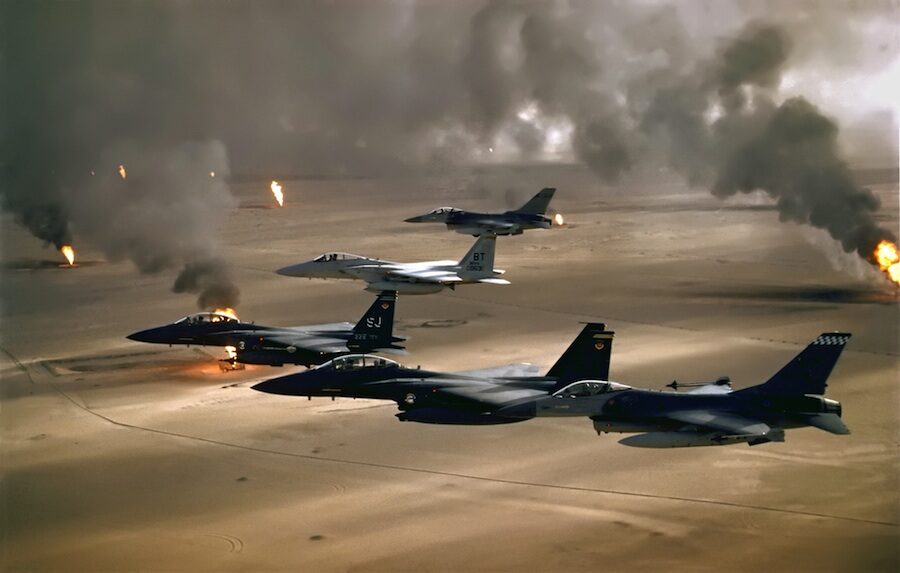
First, let’s look at the successful U.S. ground operation, “Desert Storm,” against Saddam Hussein’s Iraqi forces in Kuwait. Washington formed a massive coalition of allies, securing international support. Thirty-four countries sided with the U.S., including the United Kingdom, France, the Gulf States, Egypt, and Syria. Preparations for active combat operations took six months.
The joint forces command created a powerful air group of over 2,000 aircraft and sufficient material reserves to support the air force for 2–3 months of combat operations. This force included 20 B-52 strategic bombers, over 1,700 tactical aircraft, and up to 450 carrier-based combat aircraft. The ground component consisted of 16 divisions (with up to 800,000 personnel), over 4,000 tanks, and more than 3,700 artillery pieces and mortars. Army aviation had approximately 2,000 combat helicopters. The combined force’s navy had up to 170 ships.
Click to see the full-size image
Three months before the war began, the multinational forces started holding regular joint ground force exercises and staff training sessions. During these preparations, they addressed specific challenges, such as ensuring the military’s water supply and preparing for the enemy’s possible use of weapons of mass destruction. These preparatory measures ensured success through total firepower, technological superiority, and highly coordinated operations. Furthermore, the Iraqi army was fighting on foreign territory, cut off from supply bases, in nearly open terrain. These factors determined the Western coalition’s victory.
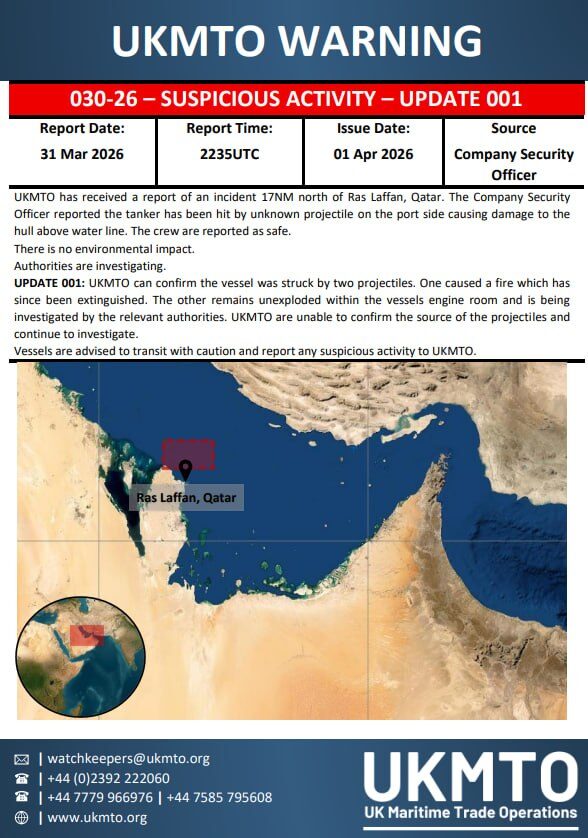
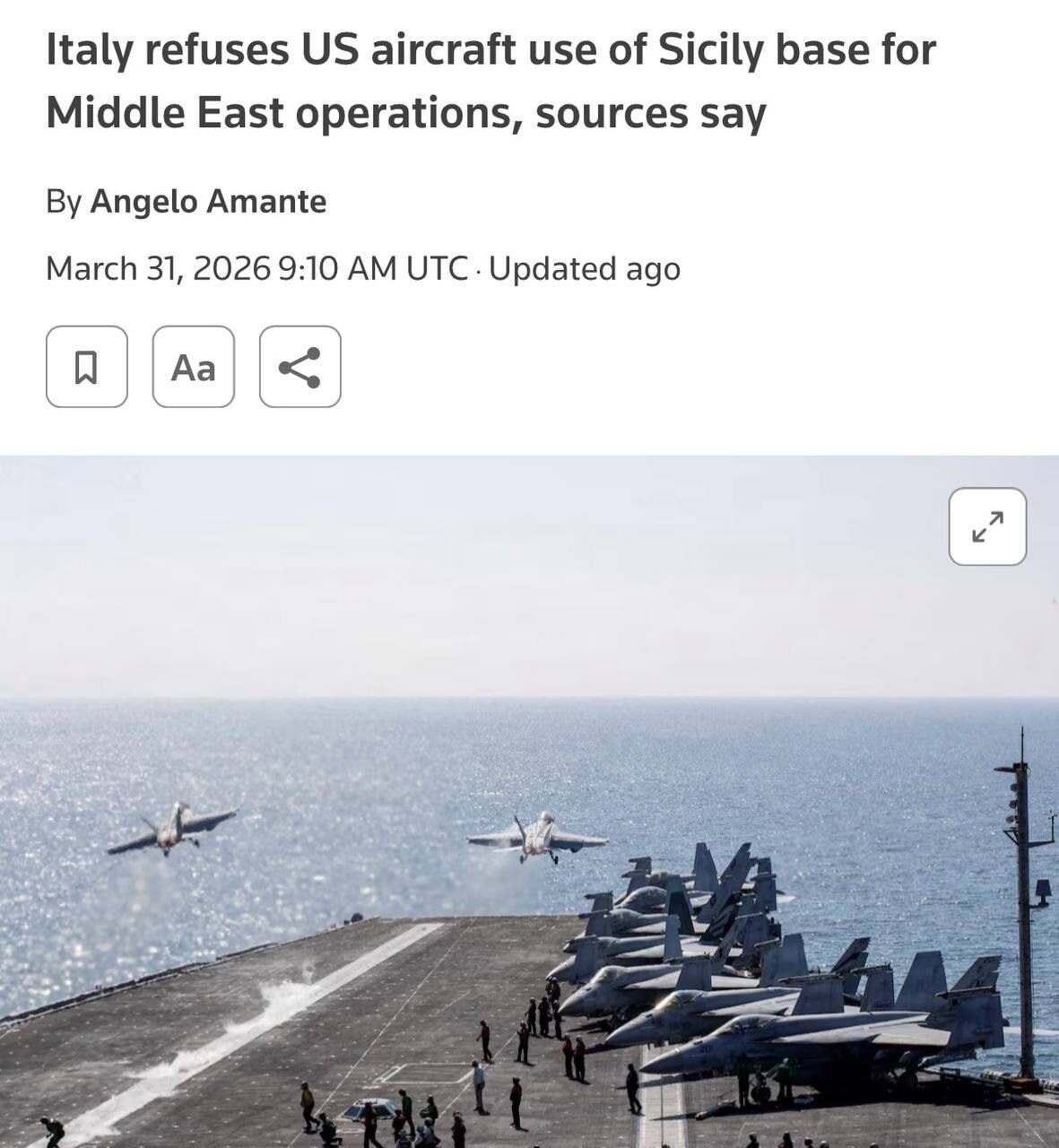
Returning to the present, one could list all the ways the U.S. failed to prepare before launching a war against Iran. Its allies were unaware of the planned aggression and therefore unable to prepare adequately to defend their facilities. Politically, not a single country in Europe or the Persian Gulf openly supported Washington, either. Most importantly, the risks to American allies around the world were not fully assessed. Due to the blockade of the Strait of Hormuz, fuel prices have skyrocketed in some countries, leading to uncontrollable inflation. Recently, a French aircraft carrier, accompanied by two frigates, arrived in the combat zone to repel UAV attacks. However, there can be no question of any third countries fully participating in the war against Iran.
Click to see the full-size image
Click to see the full-size image
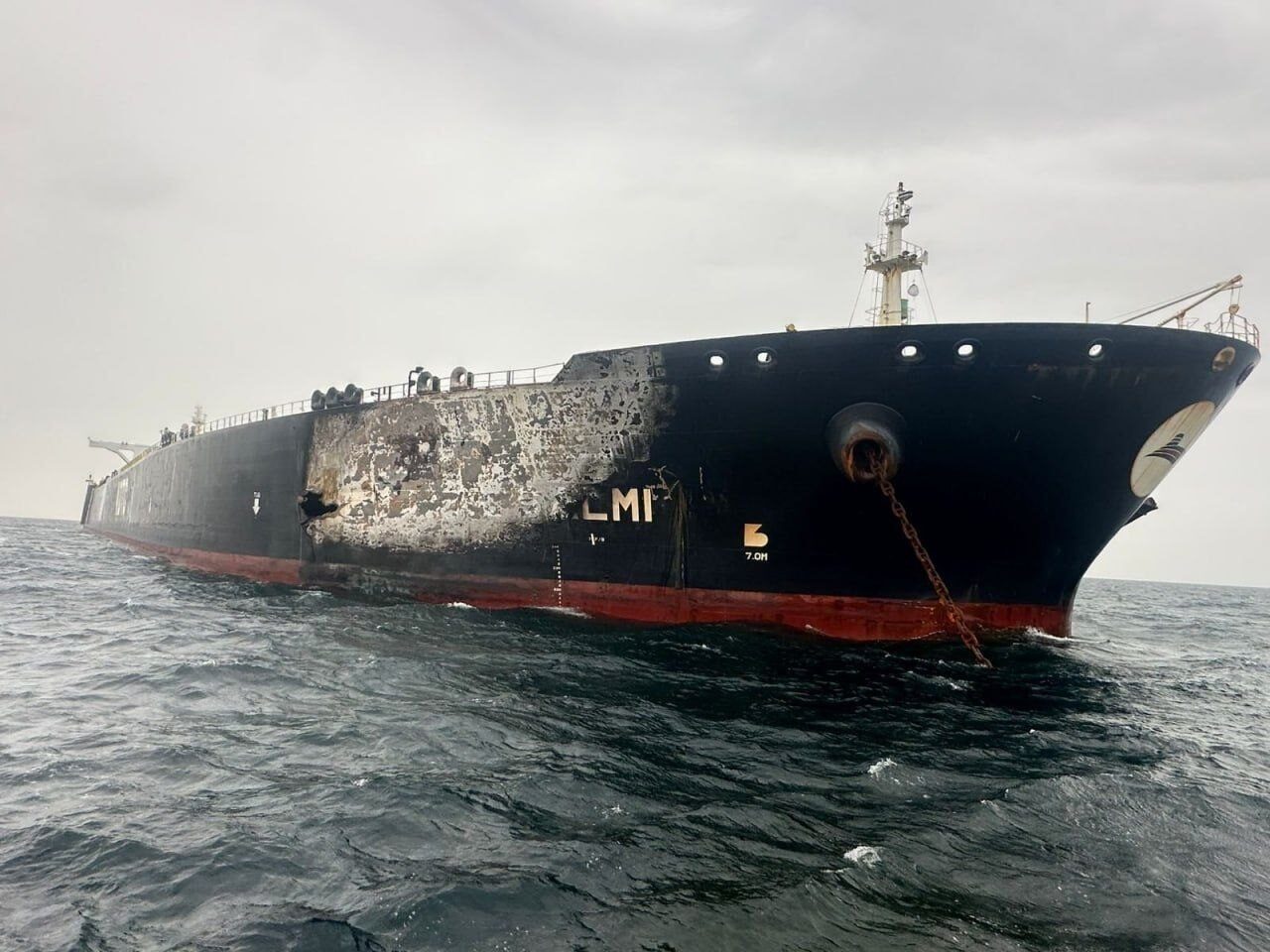
U.S. allies are afraid to openly oppose Iran for fear that it might not allow their oil tankers to pass through the strait. Against the backdrop of Russia’s isolation as a major hydrocarbon supplier, energy prices are steadily rising as countries’ domestic reserves are depleted. Europe and Southeast Asia are feeling this particularly acutely, which severely undermines their confidence in Donald Trump. Washington has left itself without the support of its international allies through its actions and is now forced to resolve the emerging problems on its own.
Click to see the full-size image
Overestimated Strengths
The Pentagon’s military preparations also leave much to be desired. The total number of deployed forces and assets only began to increase after the failure of the first phase of the operation. There were 442 aircraft and 14 ships prior to the start of hostilities in February and 549 aircraft and 22 ships as of March 30. In other words, the air and naval components increased by 20 and 30 percent, respectively. This occurred despite the fact that the U.S. military had already deployed its combat capabilities on an unprecedented scale in recent years.
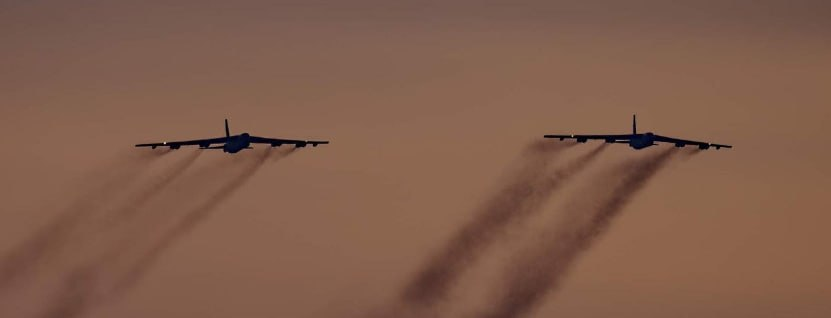
The largest number of aircraft, 270 units, is stationed in Israel, most of which are F-15 and F-35 fighters. The number of refueling aircraft deployed to Israel to support the strikes has also increased. The number of aircraft in Europe has decreased, which is linked to the reinforcement of the refueling group in the Middle East. Meanwhile, 23 strategic bombers are currently concentrated there.
Click to see the full-size image
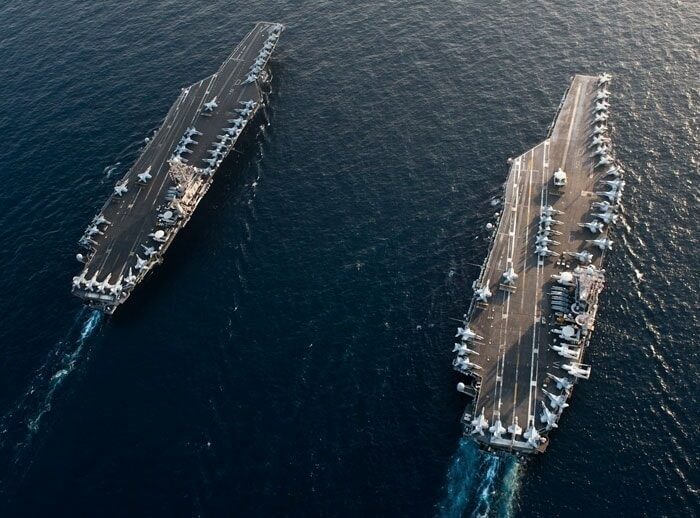
The number of ships in the region has increased significantly. The forces of the two aircraft carrier strike groups were insufficient. According to reports, a third aircraft carrier strike group led by the nuclear-powered aircraft carrier USS George H. W. Bush is in the area. The group includes the frigates USS Mason (DDG-87) and USS Donald Cook (DDG-75), as well as the cruisers USS Ross (DDG-71) and USS Gonzalez (DDG-66). The air wing deployed on the USS George H. W. Bush includes four squadrons of F/A-18 Hornet and Super Hornet fighter-bombers, each capable of carrying precision-guided and nuclear weapons.
– four squadrons (48 aircraft) of F/A-18 Hornet and Super Hornet fighter-bombers, which are capable of carrying precision-guided and nuclear weapons.
– one squadron of ten S-3A Viking anti-submarine aircraft;
– a flight group of four E-2C “Hawkeye” early warning aircraft,
– a flight group of four EA-6B “Prowler” electronic warfare aircraft,
– three squadrons of SH-60 “Sea Hawk” multi-role helicopters (24 aircraft).
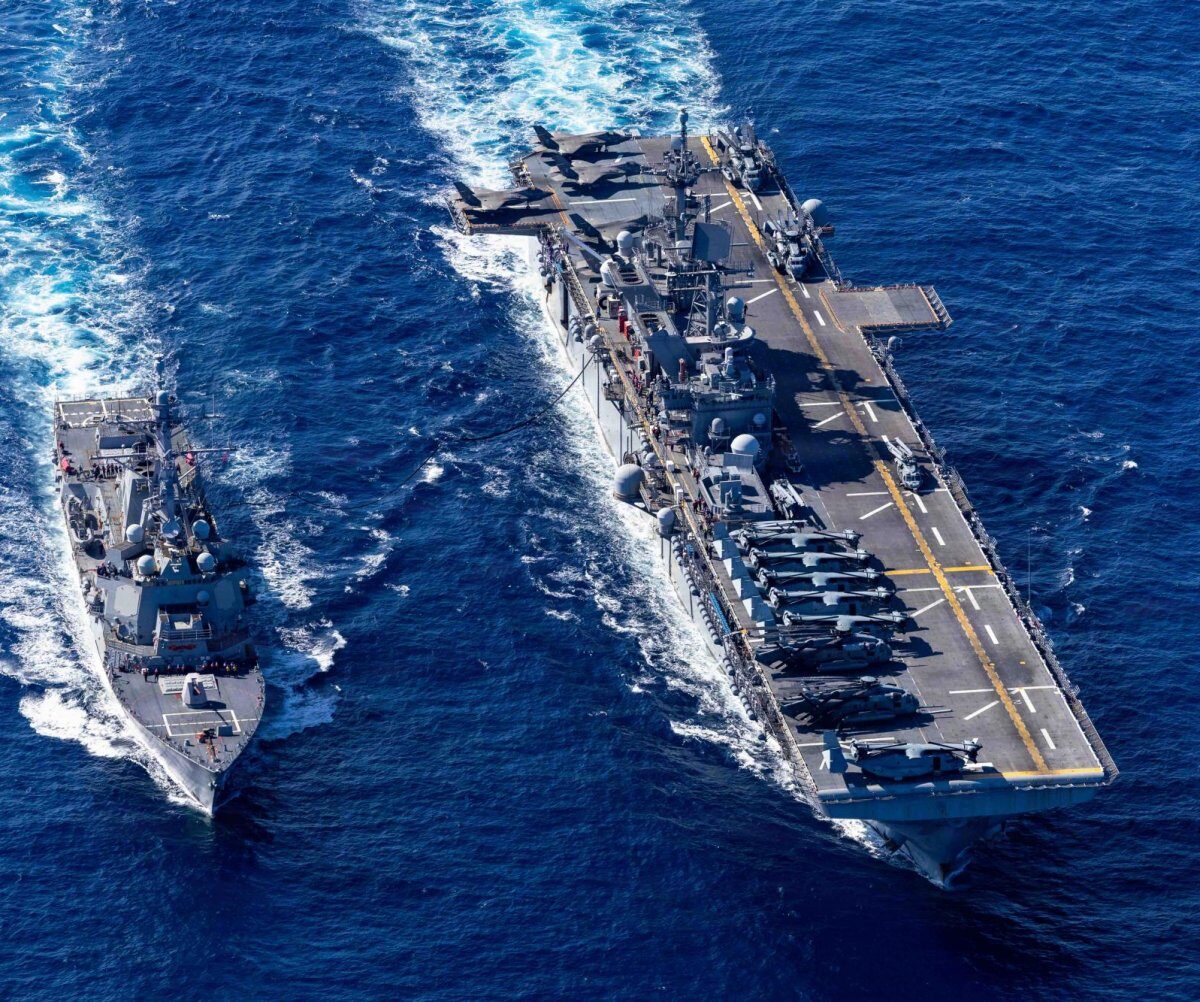
The deployment of units from the U.S. Army’s 82nd Airborne Division is underway in one of the Gulf states. The U.S. Central Command’s press office also announced the arrival of an amphibious assault group led by the USS Tripoli. The group is carrying a reinforced Marine battalion of approximately 2,000 personnel.
Click to see the full-size image
However, these forces are insufficient. The current force pales in comparison to the size of the coalition forces during Operation Desert Storm, particularly in terms of the air component. Aircraft carriers have proven ineffective against a country willing to resist. Furthermore, both aircraft carriers operating in the region were urgently withdrawn from the range of Iranian missiles. It will also be impossible to achieve the same stunning effect as in the first days of hostilities. Iran is fully armed and openly demonstrating this by maintaining a high intensity of strikes on regional targets. U.S. troops are now in a delicate situation.
Click to see the full-size image
Leaping into the lion’s den
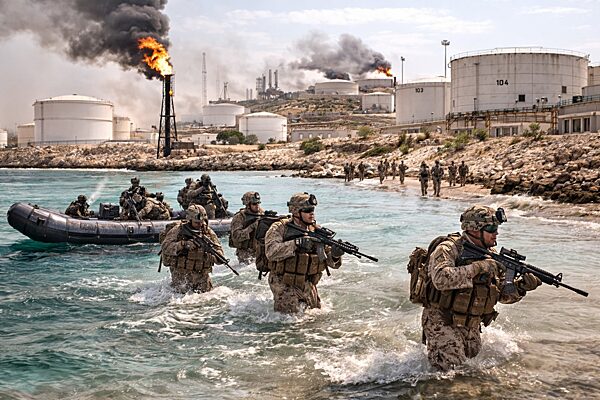
Despite statements about negotiations, all signs indicate that the U.S. is preparing for a limited ground operation on the Iranian coast. The goal would be to take control of the Strait of Hormuz and the surrounding islands. Tehran understands this, which is why it is not responding to Washington’s ploys. It is likely that Donald Trump’s initial plan was to initiate negotiations to suspend active hostilities. During the operational pause, U.S. forces would have strengthened their strike force and reinforced the air defense of military facilities in the region. However, this did not happen, so the Pentagon is forced to act hastily amid an open confrontation with Iran. The rush does not allow for necessary preparation and increases the risk of error.
The continuing intensity of mutual strikes plays into Tehran’s hands. U.S. forces cannot operate freely due to the constant threat of missiles, as air defense reserves have been depleted and cannot intercept all Iranian missiles and drones. For instance, it is nearly impossible to deploy large rear supply bases close to the coast because they would be immediately attacked. Aircraft at airfields in the Gulf states are also under constant threat.
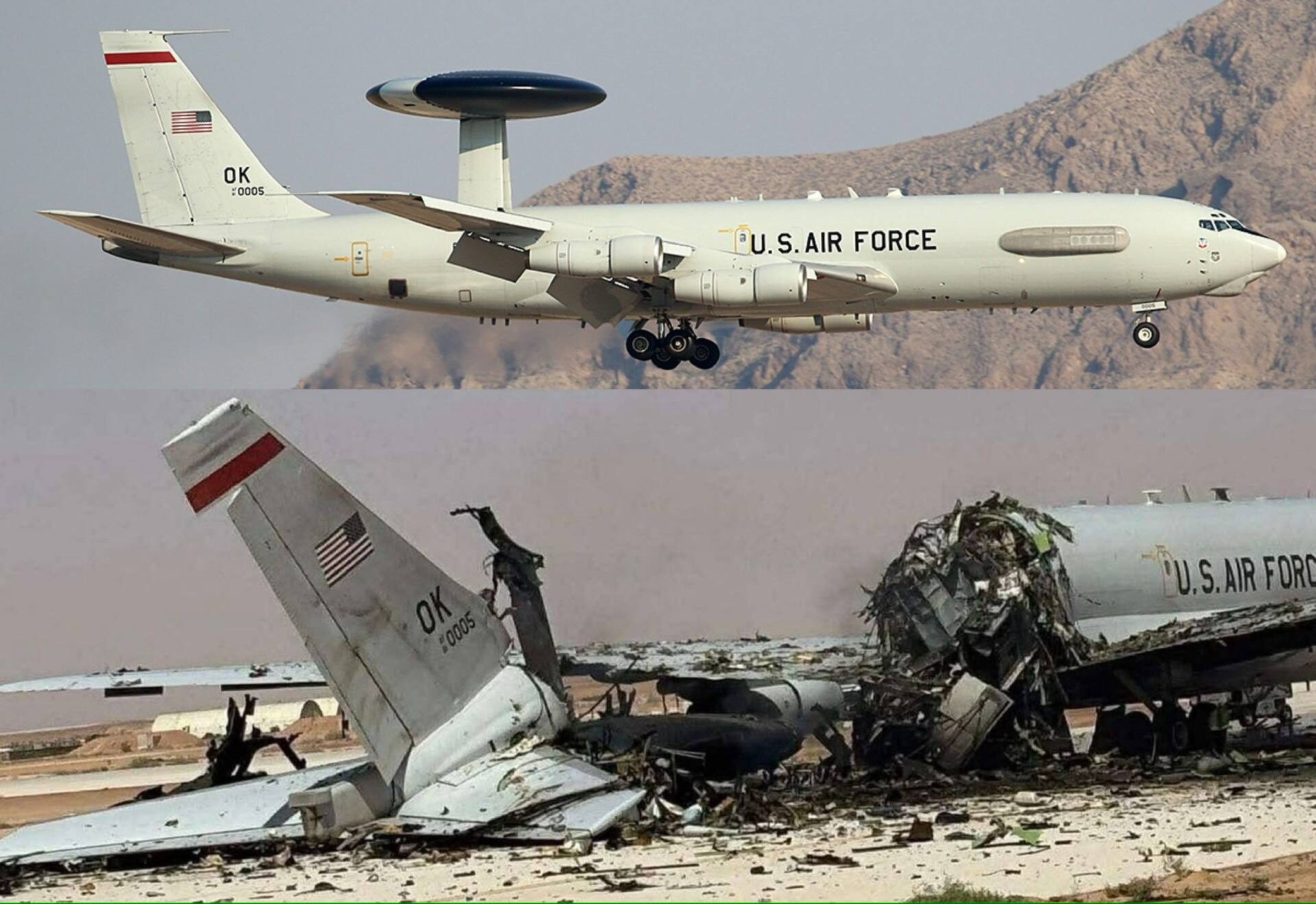
For example, on March 29, a highly important and expensive Boeing E-3 Sentry, which is part of the AWACS system and serves as a long-range radar detection aircraft, was destroyed at Prince Sultan Air Base in Saudi Arabia. This type of aircraft conducts reconnaissance and coordinates strikes against Iranian targets.
Click to see the full-size image
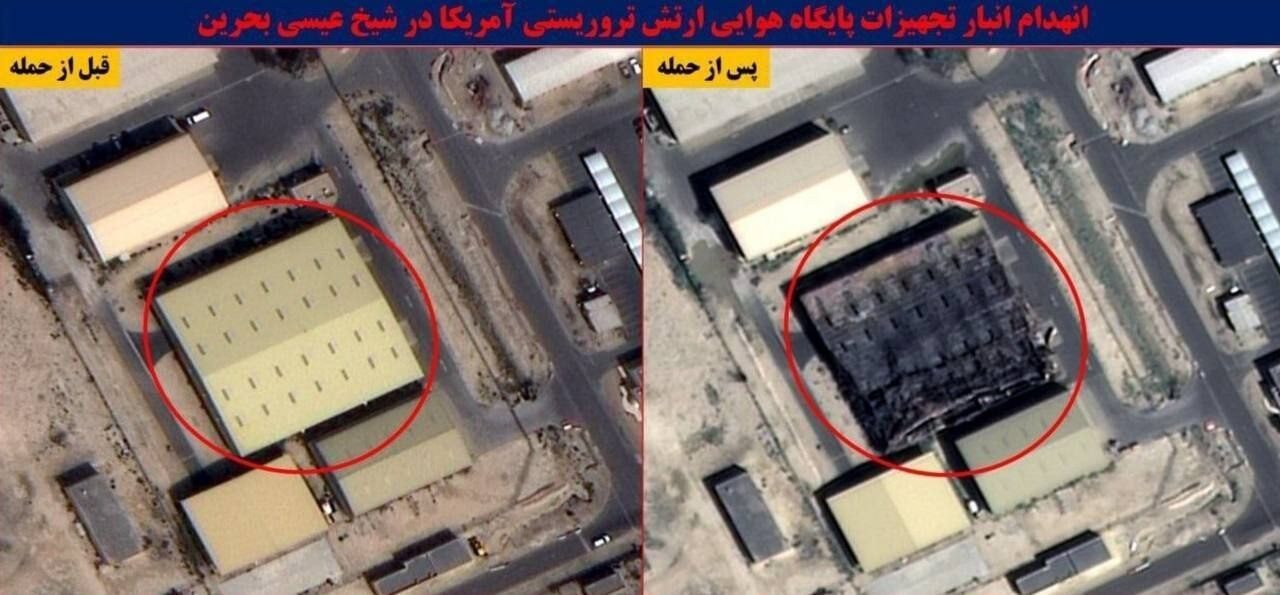
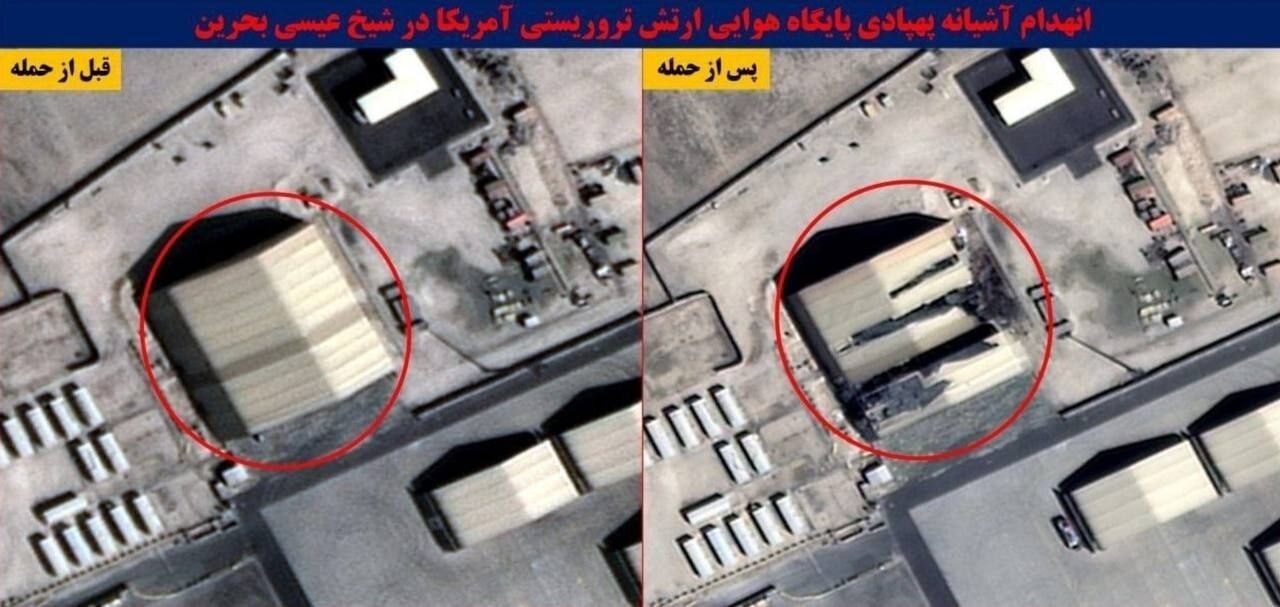
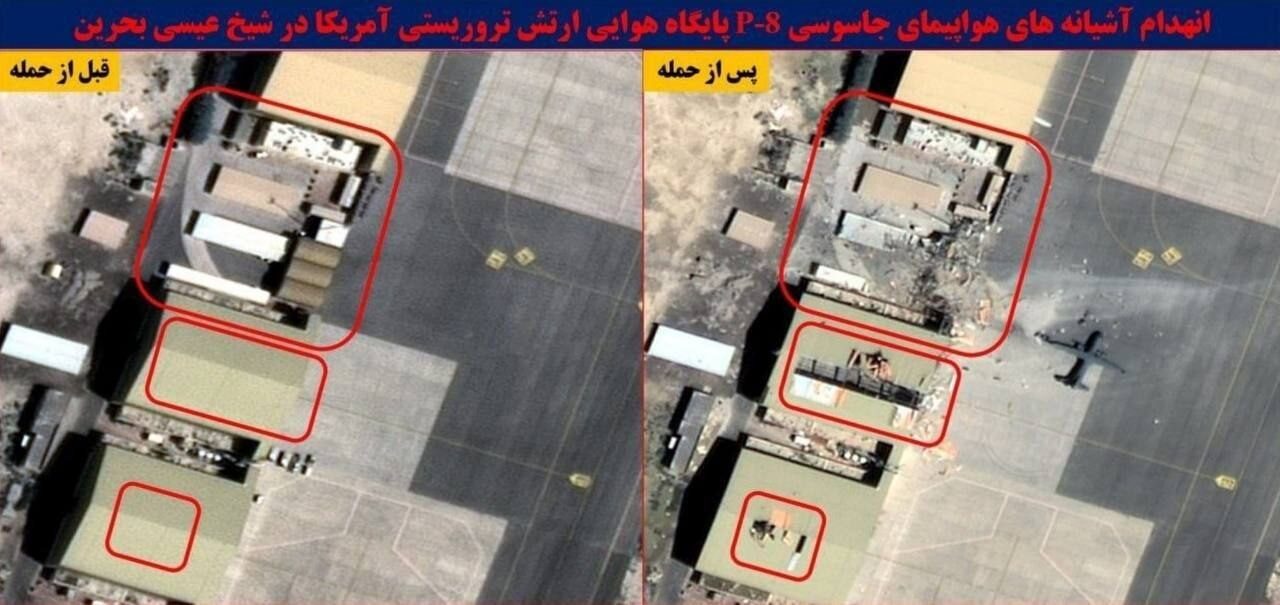
On March 30, the Iranian state news agency Tasnim published satellite images showing the damage caused by dozens of drone and missile attacks carried out by Iran against the Isa Air Base in Bahrain over the past month. The attacks damaged a number of buildings and structures, including a hangar for the U.S. Navy’s P-8 Poseidon patrol aircraft.
Click to see the full-size image
Click to see the full-size image
Click to see the full-size image
The constant threat of missile attacks is hindering U.S. logistics. Military supplies must first be shipped by sea or air to Israel or Saudi Arabia and then transported by land to the Persian Gulf. This method of transport is obviously more costly and slower than sea or air transport alone.
For example, over the past two weeks, the U.S. has massively deployed special forces and airborne troops to the Middle East. Judging by the flight logs of U.S. heavy transport aircraft, primarily C-17 Globemaster III, the situation is urgent and virtually every available aircraft has been mobilized. Most of these aircraft have the call sign RCH (Reach).
This is the standard call sign of the U.S. Air Mobility Command. Although the “Type” column is blank, the registration numbers and HEX codes indicate that these are heavy military transport aircraft. For example, 08-8195 and 07-7174 are C-17As. Takeoff points (pick up ICAO): Air bases in the U.S., such as KSVN (Hunter Army Airfield), KPOB (Pope Field), and KHOP (Fort Campbell). These bases are home to elite units such as the 82nd and 101st Airborne Divisions and Special Operations Forces. Transit hubs for these flights include: Ramstein Air Base in Germany (the main hub), Bangor Air Base in the U.S. (presumably for refueling), and McGuire-Dix-Lakehurst in the U.S.
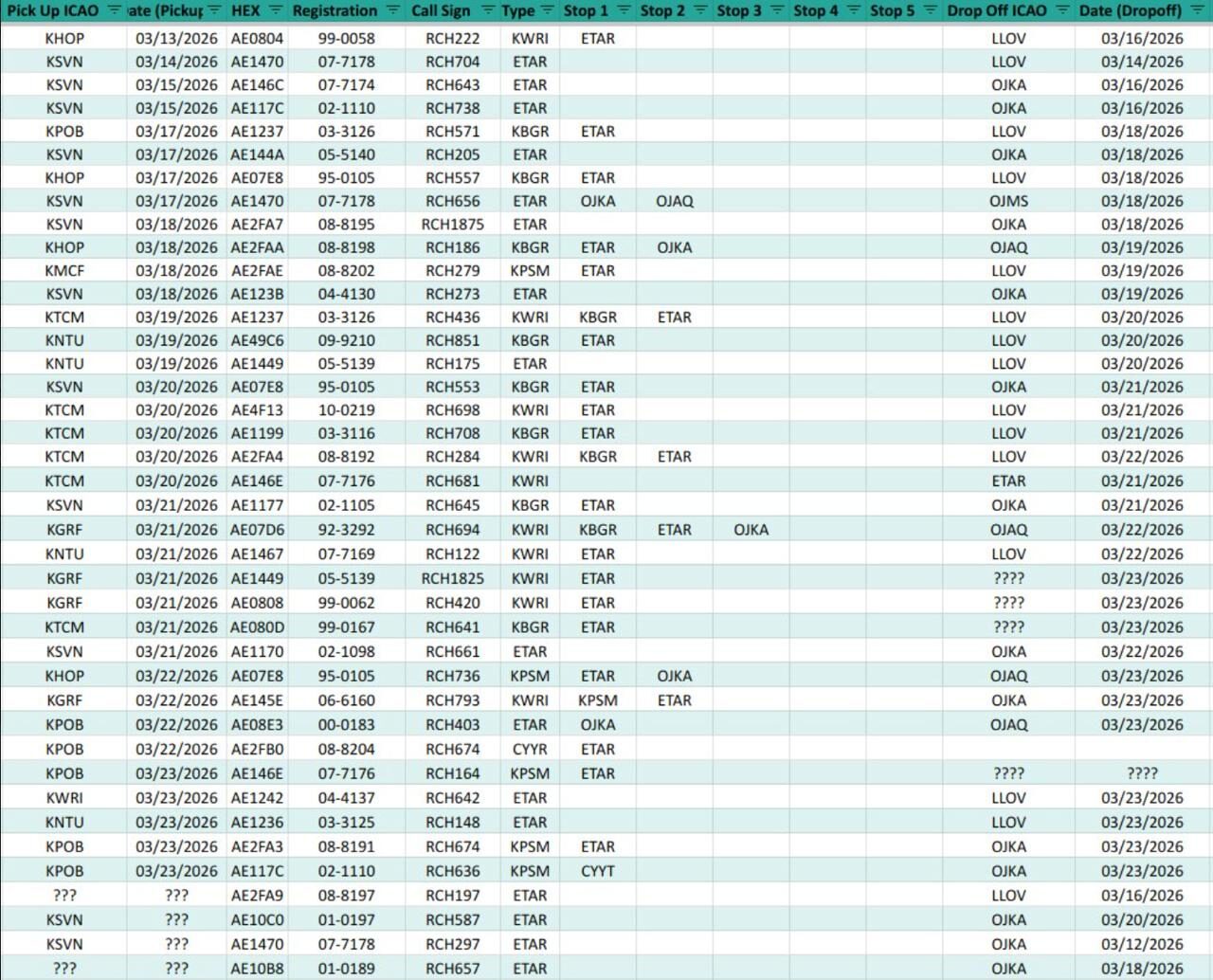
Click to see the full-size image
However, the drop-off points (ICAO drop-off) are far more interesting. LLOV: Nevatim Air Base, Israel. OJKA: King Abdullah II Air Base in Jordan. OJMS is the Muwaffaq Salti Air Base in Jordan. OJAQ: Aqaba, Jordan. Interestingly, all flights were completed within a relatively short period of time—just 10 days, from March 13 to 23. Military equipment is likely being transported with the units, though the type and quantity remain unknown. As we can see, the deployment is taking place as far away from the Persian Gulf coast as possible. However, that is only half the problem.
Currently, Iran is forced to rely solely on long-range weapons, which are limited in number. However, if the Pentagon were to launch a comprehensive amphibious operation, Iran would be able to deploy its full arsenal of short-range strike capabilities. In this regard, attention should be paid to the actions of Hezbollah, a Lebanese paramilitary group directly supported by Tehran. This organization’s fighters are already widely equipped with strike FPV drones, which have proven effective against Israeli armored vehicles.
Consequently, since Hezbollah has attack drones in its arsenal, its main sponsor, Iran, also possesses such weapons—and most likely in sufficient quantities. Tehran is a leader in the production of unmanned weapons and has likely considered the trends of the current conflict in Ukraine. This means that a large quantity of these lethal weapons is likely already in the warehouses of the Iranian Armed Forces.
Tehran may be setting a trap for American invasion forces and is therefore not revealing its primary strike capabilities. The combined forces of the 82nd Airborne Division’s airborne brigades, in coordination with a Marine expeditionary battalion, will not be able to capture significant coastal territory. Capturing the major coastal city of Bandar Abbas, which has a population of 700,000, with such limited forces is out of the question.
This implies a large-scale, targeted air-and-sea amphibious operation against key Iranian naval bases along the coast. The aim is to destroy these facilities from within. Given that Iran lacks most of its air defense systems, this landing force must be deployed and then evacuated with minimal personnel and equipment losses. It is likely that U.S. command greatly underestimates the role of FPV drones in modern warfare. The conflict in Ukraine has demonstrated that unmanned aerial vehicles (UAVs) can easily shoot down helicopters at low and medium altitudes. This type of aircraft is particularly vulnerable during takeoff and landing.
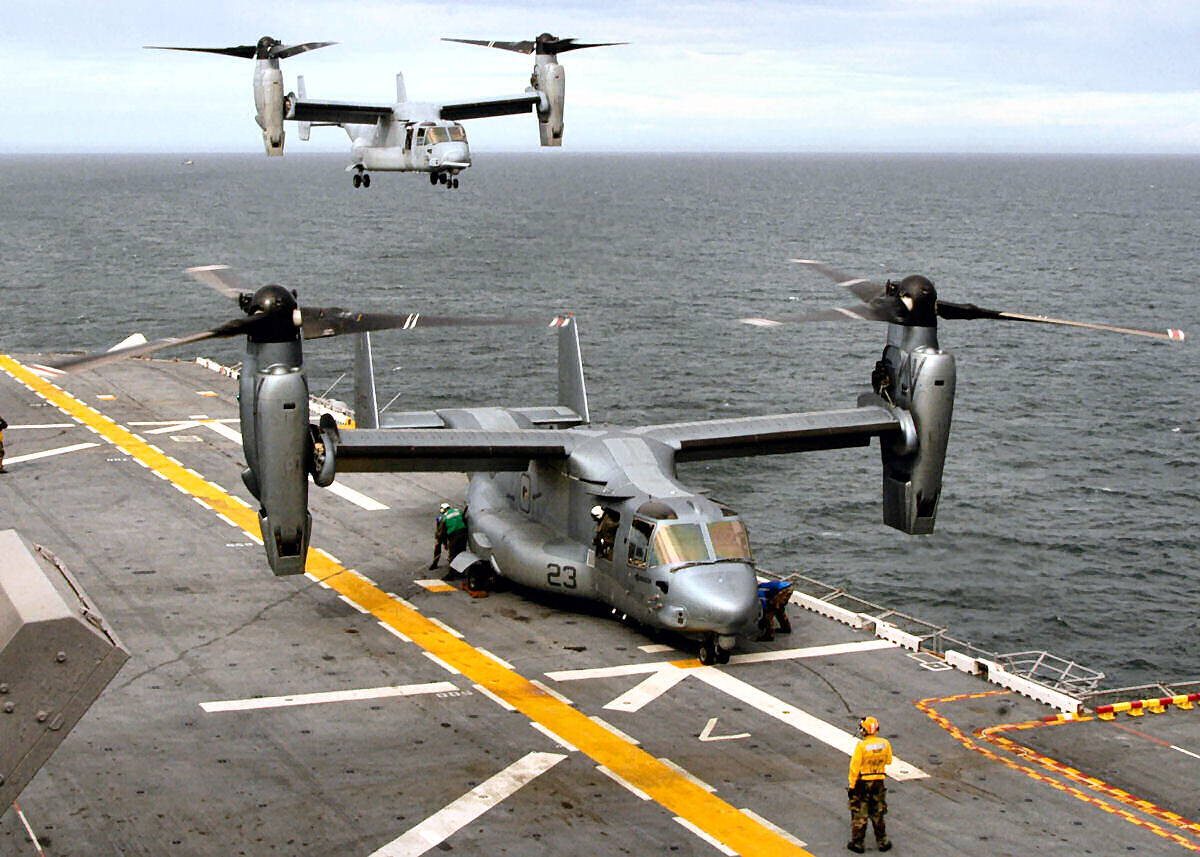
The U.S. Marine Corps relies on the Bell Boeing V-22 Osprey tiltrotor aircraft for transporting troops. During takeoff and landing, the Osprey operates at speeds similar to those of helicopters. Drones could also target small boats or light landing craft approaching the Iranian coast.
Click to see the full-size image
Additionally, the Iranian armed forces possess a wide range of barrel and rocket artillery, as well as multiple-launch rocket systems of various ranges and calibers. Landing troops in confined areas such as islands or coastal regions would make them easy targets for conventional weapons.
Whether or not Donald Trump will send his troops into an already-set trap remains an open question. Currently, there is no obvious way out of the situation. Continuing the war solely through airstrikes would severely deplete U.S. resources. Furthermore, time is on Iran’s side. Oil prices are rising, as is global public dissatisfaction with the White House’s current policies. An amphibious operation would also carry enormous risks, as critical mistakes could be made in the rush, leading to heavy losses. Trump’s political opponents are waiting for coffins carrying their compatriots to remove the current president from power. Making peace with Tehran and fulfilling its demand to withdraw American military bases from the Persian Gulf would be worse than a defeat in Vietnam. The U.S. would then be unable to regain its global leadership. Washington has only itself to blame for the lack of favorable options.
MORE ON THE TOPIC:



trumpy and the jooz are f….d. heheheh
start now generating extra home based cash by doing very easy and simple job from home. last month i have earned 19753 dollar from this job in my part time. this job is just awesome and its earning are greater than 9 to 5 office job. join this right now by follow instructions here…
>>>>>>>> https://findjobs1.site
i just came across this amazing way to earn 6,000-8,000 dollar a month online! no selling, no struggle—just a simple system that anyone can follow. kelly did it, and so can you! don’t miss out on this life-changing opportunity .……………………… https://psee.io/8w4nux
i just came across this amazing way to earn 6,000-8,000 dollar a month online! no selling, no struggle—just a simple system that anyone can follow. mia westbrook did it, and so can you! don’t miss out on this life-changing opportunity
>>>>>>>> https://psee.io/8jqu9r
peace prez in la la land don’t realize what an idiot he has made of himself he still thinks he doing good job arrogant prick
‘washington has only itself to blame for the lack of favorable options.’ no… one more time, it’s the joooos..
damage on the 707 awacs is drone, they hit exactly where the radar was located, the hangar is also drone, for some reason iran wont use missiles against airport
weak lgbt inferior americunts pathetically have anuz dripping w taliban jizz
hope the us goes in and gets trapped in a quagmire like vietnam and afghanistan.
perhaps then the coward in moscow will grow some balls.
very informative write-up