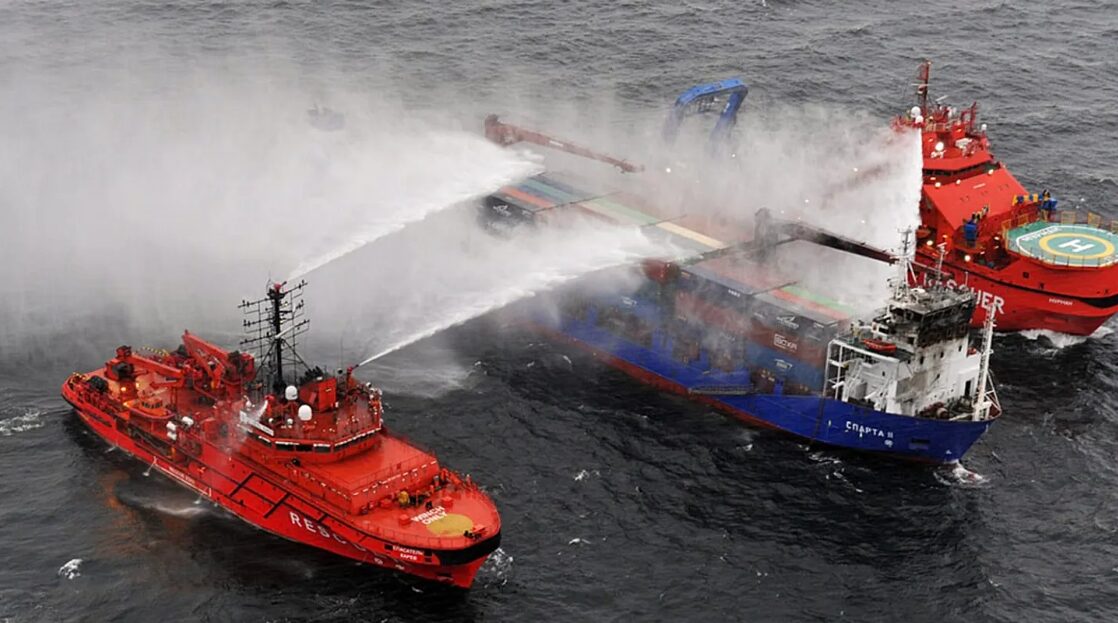
Sparta II
The Long Game unfolds
Written by Julian Macfarlane
Three attacks on Russian assets, one after the other, timed to coincide with the APEC meeting in Shenzhen, caught the attention of the Western media.
First, came the attack on the Russian cargo ship, Sparta II in the Baltic.
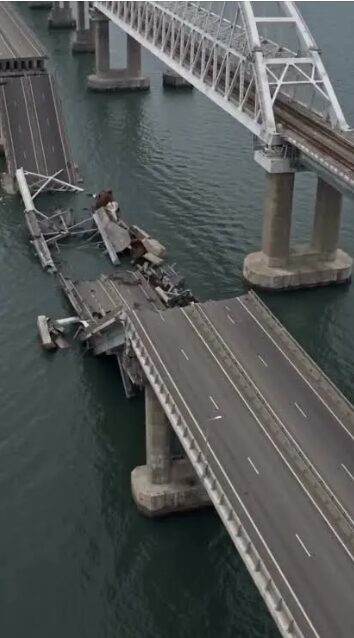
The second was the massive drone and missile attack on the Kerch Bridge.
Click to see the full-size image
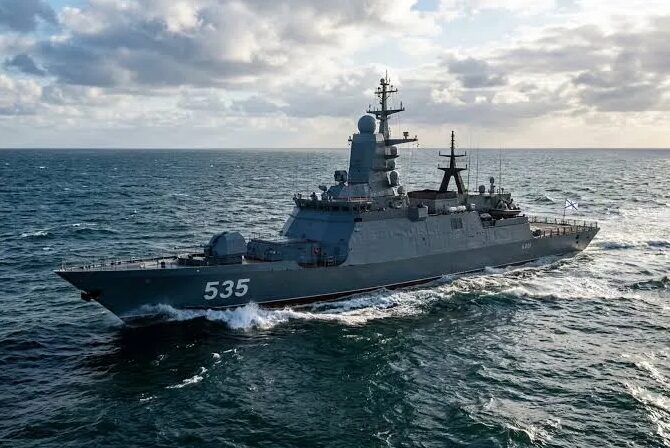
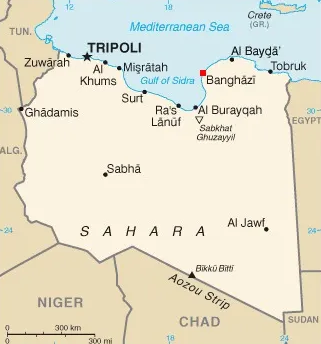
Finally there was the attack on a Russian corvette moored in Bengazhi, in Libya, as well as a Russian cargo ship MV Angara nearby and the Iranian Alvan also close to Bengazhi.
Click to see the full-size image
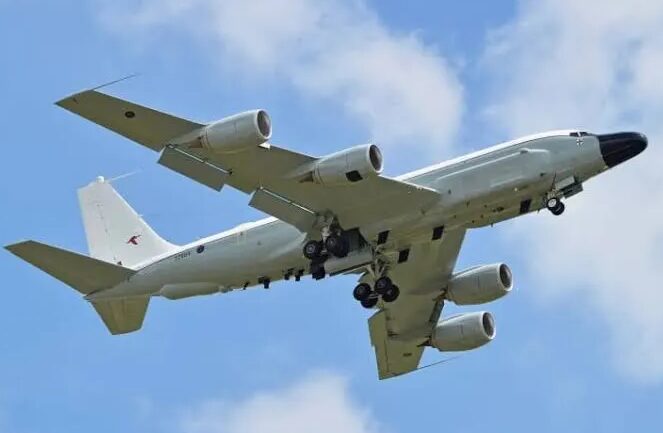
Western media has attributed strikes on the Russian vessels to Ukraine— which is also likely to have attacked the Alvan but has not admitted it— yet. Despite the presence of NATO ISR aircraft in all cases and other evidence of collusion, NATO insists the responsibility for these actions lies solely with Ukraine – while of course applauding their efforts!
Click to see the full-size image
The fact is of course that none of these strikes could have been carried out successfully without CIA and MI6 and NATO involvement – providing targeting, equipment, intelligence, training and even logistics.
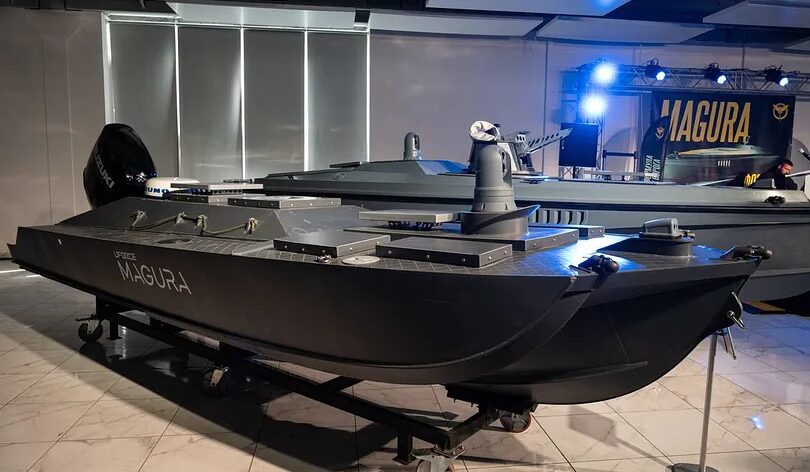
The drone strike on Bengazhi was likely carried out from a mothership supplied by the US or UK
Most of the Western media say the drone boats used in Libya are entirely of Ukrainian manufacture —but they depend on Western engine components and electronics—at least 80%.
Click to see the full-size image
In fact by late 2026, Ukrainian sea drones like the Harpoon received official NATO stock numbers, with joint manufacturing deals set up to manufacture Ukrainian-designs in the United States and the United Kingdom.
In military terms Ukraine and the West are joined at the hip, technologically, politically, and ideologically. We see this not just in Europe but in Africa as well with NATO and its Ukrainian assets using Tripolitania as a forward base in Libya.
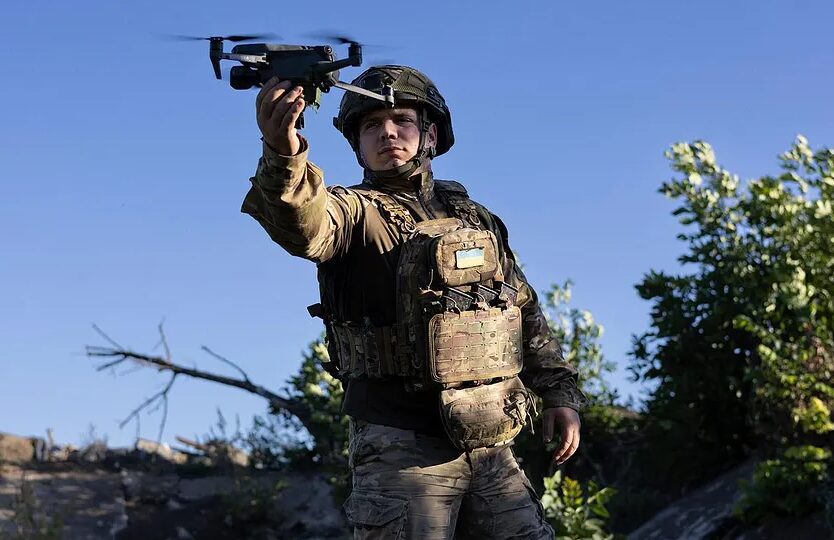
So it is that Ukrainians are heavily involved in Africa –not only as as military intelligence (HUR) advisors but with special operations teams actively operating in Mali, Sudan, and Somalia and elsewhere. contributing to the bloodshed as African nations seek to break free of Western neocolonialism. The Ukrainians take credit as a way of advertising their mercenary ways while their Western handlers stay in the background, protected by plausible deniability.
Click to see the full-size image
Is there any proof of this? Lots.
Here is what a French media outlet said:
According to two well-informed Libyan sources, who spoke to us on condition of anonymity, more than 200 Ukrainian military officers and experts are deployed in Libya, in agreement with the Tripoli government led by Abdelhamid Dbeibah. These Ukrainian military personnel are present at three locations.
According to our sources, they are initially based at the air force academy in Misrata. This large facility houses Turkish, Italian, and United States Africa Command (Africom) forces. A British intelligence center is also located there.
According to our sources, the Ukrainians have a second fully equipped base for launching aerial and naval drones in the city of Zawiya, about 50 kilometers north of the capital, very close to the Mellitah oil complex, one of the largest in operation in Libya.
I should mention that Brian Berletic also found this article, which ties in with his well-known worldview about the US Hegemon. .
I put it a little more simply. “Hegemonism” is another word for “fascism”,
However, this kind of thing tends to backfire.
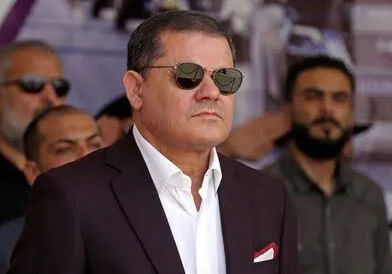
Abdelhamid Dbeibah, the leader of eastern Libya’s Tripolitania, like Zelensky is suffers from an expired political mandate within aversion 2 elections, heavy reliance on violent, unstable militias, widespread corruption allegations, and almost no public trust.
Click to see the full-size image
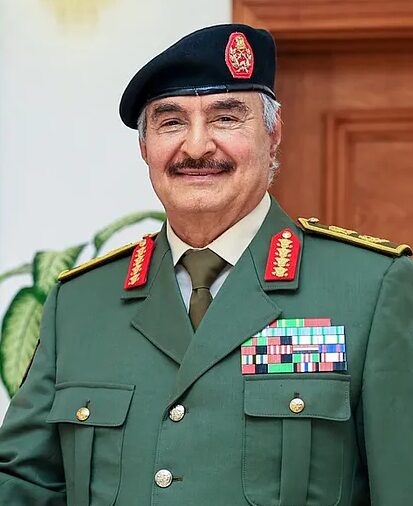
By contrast, Haftar, backed by the Russians in Western Libya where Benghazi is located, has a unified army and is able to control most of Libya’s oil resources. When Dbeibah falls, as he must, Hafta will take over and his former rivals’ backers will have to leave, including the Ukrainians. Hafta still fears the Americans, but in North Africa, as in West Asia generally that fear is diminishing, thanks to Trump’s failed war against Iran.
Click to see the full-size image
Let’s just say the attack on the three ships in Western Libya is just another nail in Tripolitania’s coffin.
Or not? Maybe I am jumping to conclusions too fast!
The Russian press noted:
Libya, which has been effectively divided for 12 years—the Tripoli government (home to the Government of National Accord) and the Benghazi administration (home to the Government of National Stability)—sharply condemned Ukraine for the November 22 attack on the Mercury missile corvette. Musa al-Kuni, deputy chairman of Libya’s Presidential Council (the highest executive body and collective head of state, established on the basis of the Skhirat Agreement of December 17, 2015), called Kyiv’s actions tantamount to a declaration of war against the Libyan state.
Al-Kuni demanded an emergency meeting of the UN Security Council and the inclusion of Kyiv regime leader Volodymyr Zelenskyy on the terrorist list. The attack on the port and other important facilities caused material damage, and civilians were injured. The attack grossly violated sovereignty, national security, and international agreements. Libya intends to submit the materials to the International Court of Justice and relevant organizations to draw international attention and bring the perpetrators to justice.
Public opinion in Libya is not only alienated by American exploitation of Libyan petrochemical resources but by U.S. support for Israel, not to mention resentment for decades of Cold War attacks, including the 1986 U.S. bombing raids on Tripoli and Benghazi as well as years of crippling sanctions.
Russia has been using both Benghazi and Tobruk of transport of materiel, destined for his forces south in the Sahel and has floated the idea of building a Russian base in Toburk but that has been delayed partly because of the need for approval from both Libyan administrations. Now, it may be forthcoming.
Click to see the full-size image
How the Iranians are going to react to the attack on their ship is a good question. All of Ukraine is within range of their missiles. Iran warned Ukraine the last time this happened. But it seems the message did not get across.
In any case, the Russians have not yet responded. The massive strikes on Ukrainian infrastructure which we saw just after the attack on the Kerch Bridge were planned long before that – so look forward to some fireworks.
The Russian public is angry it is out for blood – Western blood.
MORE ON THE TOPIC: