


Click to see the full-size image
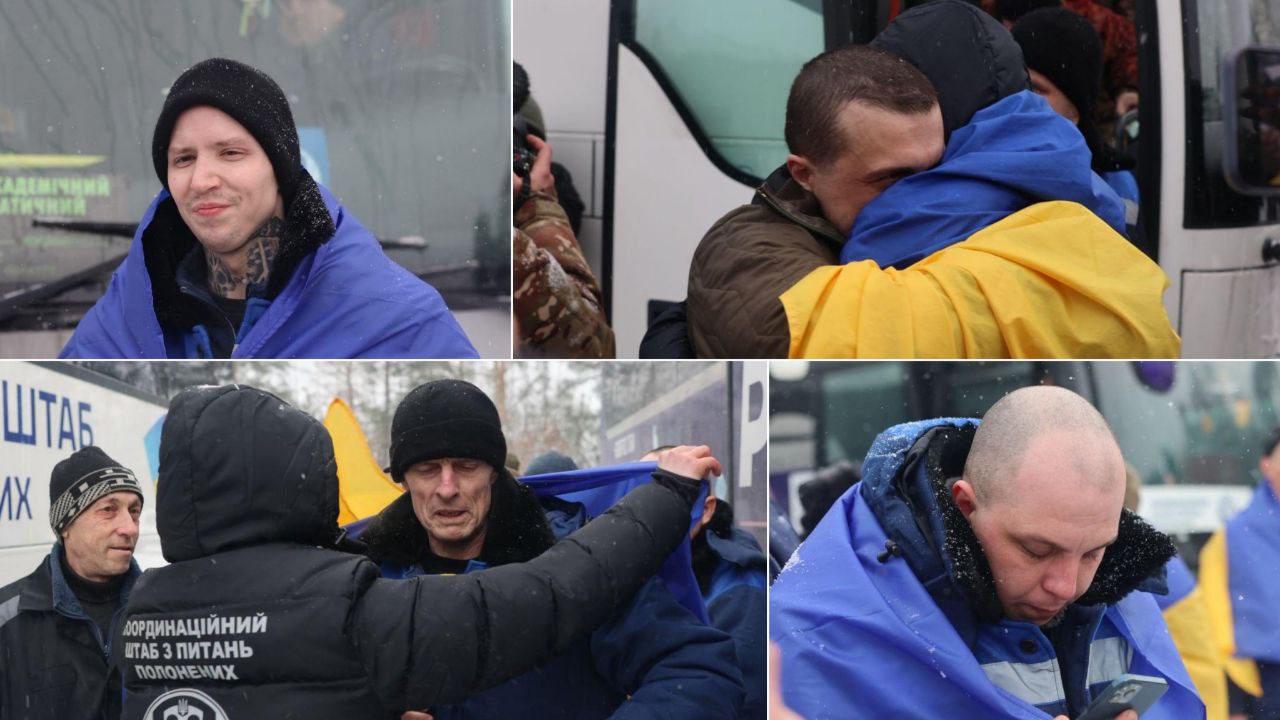
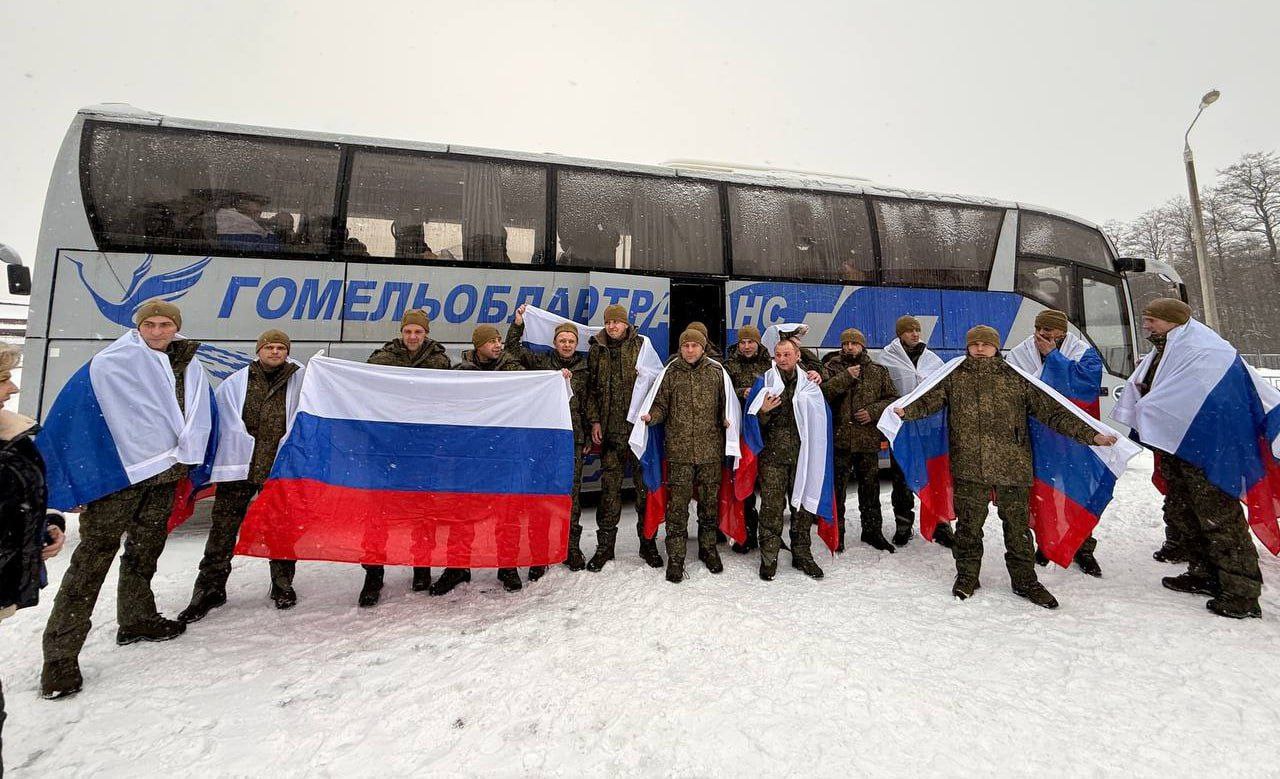
Russia and Ukraine continued exchanging strikes on each other’s key facilities amid two-day trilateral negotiations in Abu Dhabi involving the United States. These meetings, organized by the UAE, concluded without specific agreements, aside from the exchange of 157 prisoners of war from each side. Russian servicemen, including three residents of the Kursk region, returned via Belarus for rehabilitation; the Ukrainian side received soldiers of the Armed Forces of Ukraine, the National Guard, and the State Border Guard Service, many of whom had been in captivity since 2022.
Click to see the full-size image
Click to see the full-size image
U.S. Special Envoy Steve Whitkoff described the talks as detailed and productive, noting discussions on mechanisms for a potential ceasefire and its monitoring. Ukrainian President Volodymyr Zelenskyy confirmed an agreement on the next round of talks “in the near future” but clarified that Ukraine is ready for a ceasefire with security guarantees from the United States. He also reiterated the position of not recognizing any territorial concessions.
Russian Foreign Minister Sergey Lavrov, in turn, stated that Europe is attempting to derail the emerging Russian-American consultations on the Ukrainian issue. He noted that for Russia, the key issue is people, not territories, and accused Ukraine of being the first to start striking energy facilities.
Amid diplomatic contacts, the Russian armed forces continued striking Ukraine’s energy, transport, and military infrastructure.
The following facilities are reported to have been hit:
-
Odesa region, Prymorske: A missile strike on the building of the “Kurortne” border guard detachment, used as a command post. There are reports of destruction, casualties, and injuries among personnel.
-
Sumy region: Strikes on the “Trostyanets-Smorodyno” railway station and the “Tereshchenska” traction substation, disrupting railway logistics.
-
Zaporizhzhia: A repeat strike on the “Armalit” PS-150/35/6 kV electrical substation, causing a large-scale transformer fire and cascading blackouts. Technical assessments indicate a lengthy recovery period for this key facility.
-
Dnipropetrovsk region, Lozuvatka: A strike on the territory of the “Kryvyi Rih” international airport, which, according to Russian sources, was used as a training center for UAV operators and a command node.
-
Dnipropetrovsk region, Hubynykha: A strike on an oil depot by “Geran-2” UAVs, leading to an intense multi-source fire in fuel storage tanks.
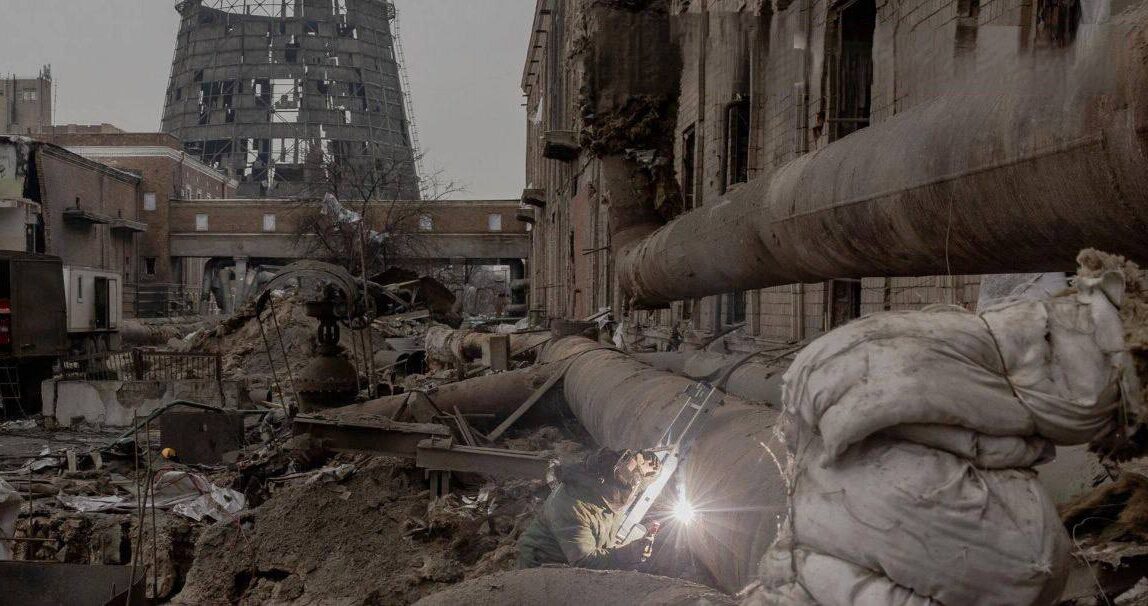
Ukraine’s energy system deteriorated further after the massive strike on February 3: the Sumy, Dnipropetrovsk, Kherson, Zaporizhzhia regions, and part of the DPR were left without power. In Kyiv, CHP-6 was destroyed and the Darnytsia CHP sustained critical damage. The deficit is described as “insane,” outage schedules are disrupted—electricity is available for only 4–6 hours a day until February. Pipes are freezing in Kharkiv and Kyiv, with burst risers causing floods; sanitary problems are expected in the spring. The head of DTEK noted “terrible damage,” with recovery expected to be prolonged.
Regarding strikes on Russia, the General Staff of the Armed Forces of Ukraine claimed a series of successful strikes in January 2026 on the “Kapustin Yar” testing ground in the Astrakhan region using Ukrainian-produced FP-5 “Flamingo” missiles. According to the Ukrainian Armed Forces, the target was a complex of hangar-type buildings where pre-launch preparations for intermediate-range ballistic missiles are conducted. Claims were made about damage to one of the hangars and the evacuation of some personnel. Footage of the aftermath has not been published.
By the evening of February 5, Ukrainian monitoring resources and analysts close to security structures are circulating information about Russia preparing a new massive strike between February 7 and 10. Movements of strategic bombers Tu-95MS and Tu-160, as well as preparations of surface and submarine carriers of “Kalibr” cruise missiles in Novorossiysk, are reported. Likely targets for future strikes are named as energy infrastructure facilities in Kyiv and the region, as well as gas and oil refining infrastructure in western Ukraine.
Thus, the diplomatic dialogue in Abu Dhabi, which concluded with a symbolic humanitarian gesture—the prisoner exchange—failed to alter the dynamics of the military confrontation. The parties continue to intensify mutual strikes on critical infrastructure, and forecasts point to a high probability of further escalation in the coming days.
MORE ON THE TOPIC:



rússia capture odessa e karkov, aí sim a guerra já pode terminar.
no breakthrough will come if only zionist mafia representatives are allowed to negotiations with globalist debate points. the good news is that russian soldiers will actually go home to families. recruiters may be waiting for ukrainian counterparts
you’re totally obvious as a stooge and trollope for the neo nazi party 🥳 you’re as credible as the looney tunes stating that epsteins alive and living in israel running the world from his secret bunker . just such idiots you tell the morons he had an open coffin at his funeral and they just stick their heads back up their backsides theyre so useless they didn’t even go to the funeral . you’re like that .
personal attacks and name calling do not affect reality. unless you grew up on western media which might explain your confusion
in americunt trailer parks we exchange mulatto jizz
ola tom tudo bem
🇷🇺 do not appease weak transgender americunts
hehehehe are you overwrought with frustwrations rimses?
voce mora onde nos usa ramses?
twitkoff is going to fail big time and then thrash around like a spoiled brat. his trumpster master wants him to do what the trumpster has been saying he will do for the past few years but he keeps putting his foor in his mouth. so far it’s peace talk, with no mention of cookies, but just in case we will take a pot shot at the russian president’s residency with over a hundred drones. president putin and his colleagues have been here before. it must be like déjà vu for the russian delegation.
abu dhabi = fake and gay. i do not know why russia bothers with united arab zionists and amerikunts. waste of time
fake ,you said it .
russia needs total change of leaders and government
what a shock /end sarcasm
all kabuki theater
make everybody ( £26,000 __ £38,000 ) a month online making nb cash online more than £20k fair by doing straightforward work with no earlier involvement or abilities required. be your claim boss and for more data visit any tab this location much obliged a parcel fair open this link.======>…… http://www.hot.cash54.com