


Click to see the full-size image
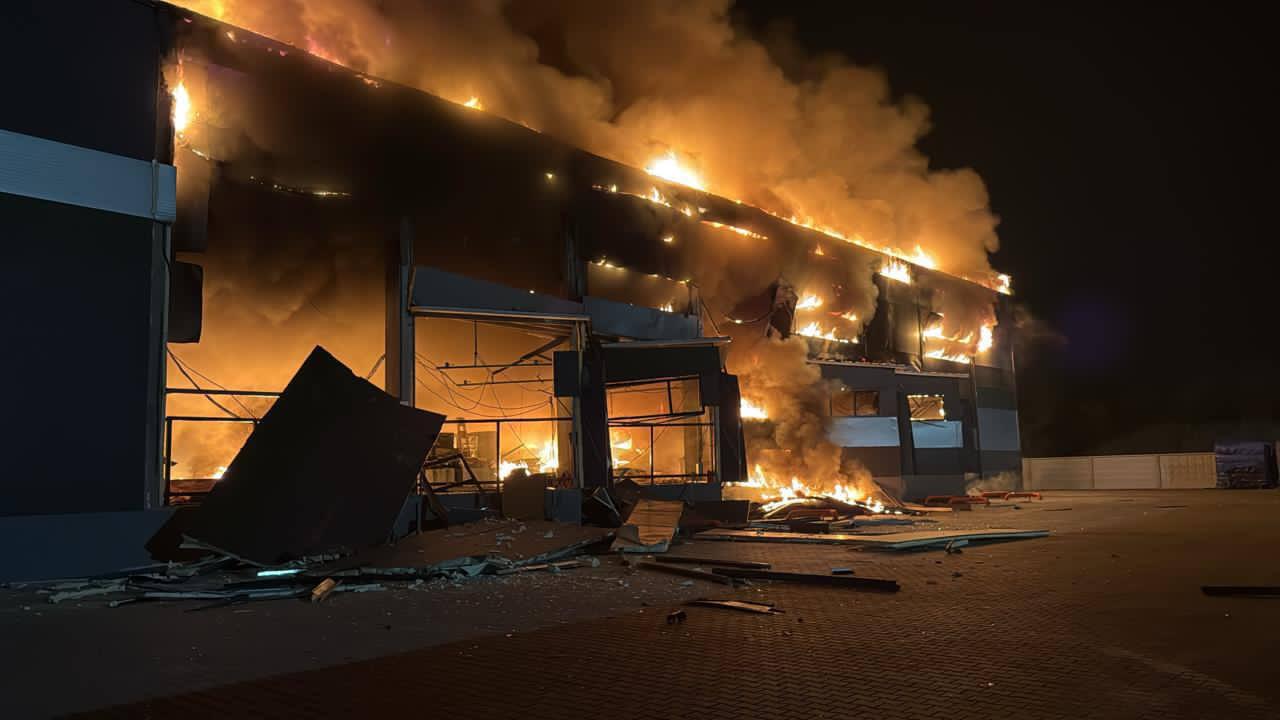
On the night of September 4 and during the preceding day, Russian forces carried out a series of coordinated strikes against targets in Ukraine. The strikes targeted logistics centers, port infrastructure, and energy facilities used to support Ukraine’s armed forces. Ukraine’s Air Force reported that Russian forces used a Kh-31P air-launched anti-radar missile, along with 121 attack drones and decoy UAVs designated “Parody” and S8000 “Banderol.”
Strikes on Ukraine
Kyiv Region:
-
On September 4, a logistics center operated by EKO-Avtotekhniks in the settlement of Hatne was struck. The facility was used for storage and distribution of dual-use goods.
-
Later that day, fires were reported in Kyiv, including at Zhulyany Airport (where aircraft were reportedly damaged) and at a Nova Poshta terminal near the Respublika Park shopping mall.
-
A logistics center in the settlement of Brovary was also hit — the facility was used for storing and distributing dual-use goods and military property.
-
On September 3, the Biokon logistics center in the settlement of Velyka Oleksandrivka was struck. That facility was used for storing and distributing military cargo.
Odesa Region:
- On September 4:
-
- At the port of Pivdenny (Yuzhny), a bulk carrier carrying military cargo was hit.
- At the port of Chornomorsk, a bulk carrier carrying Western-supplied weapons, a warehouse containing military equipment, and a fuel transfer terminal intended for Ukraine’s armed forces were struck.
- In the settlement of Myrne, the Novo-Odeska electrical substation was hit.
- In the settlement of Dachne, a concentration of heavy trucks used to deliver ammunition and supplies to Ukrainian units was struck.
- In the Black Sea, east of Odesa, a bulk carrier and a tanker carrying drone components, ammunition, and fuel for Ukraine’s armed forces were struck.
-
On September 3:
-
In the Black Sea, a bulk carrier carrying weapons and ammunition, as well as a container vessel transporting military equipment, were struck.
-
A Nova Poshta logistics center and port infrastructure facilities were also hit.
-
Dnipropetrovsk Region:
-
A locomotive was hit in the settlement of Verkhivtseve.
Mykolaiv Region:
-
A logistics center in the settlement of Mykolaiv, used for supplying military equipment to Ukraine’s armed forces, was struck.
In addition to the above, strikes were also conducted against targets in Sumy, Kharkiv, Zaporizhzhia, Kherson, Chernihiv, Poltava, and Cherkasy regions, as well as in Kirovohrad and Rivne regions.
Ukraine’s Air Force reported that during August 2026, its forces destroyed more than 4,600 aerial targets, including 25 Kh-101 cruise missiles, 8 Iskander-M/KN-23 ballistic missiles, 8 Kalibr cruise missiles, and approximately 3,300 Shahed-series attack drones.
Strikes on Russia
According to Russia’s Ministry of Defense, on the night of September 4, 490 Ukrainian drones were shot down over 20 Russian regions.
-
Krasnodar Krai (Sochi and Sirius): Drones struck the Rosneft-Kubannefteprodukt oil depot in the Adler district. A fire was reported. Ukrainian sources also claimed that an air defense battalion near Sochi was hit.
-
Bashkortostan (Sterlitamak): An industrial zone was attacked. Local residents reported explosions, active air defense systems, and a fire in the area.
-
Moscow Region: 35 drones were shot down approaching the capital.
-
Belgorod Region (Shebekino): Five people, including two paramedics, were killed and seven others were wounded as a result of shelling and drone attacks.
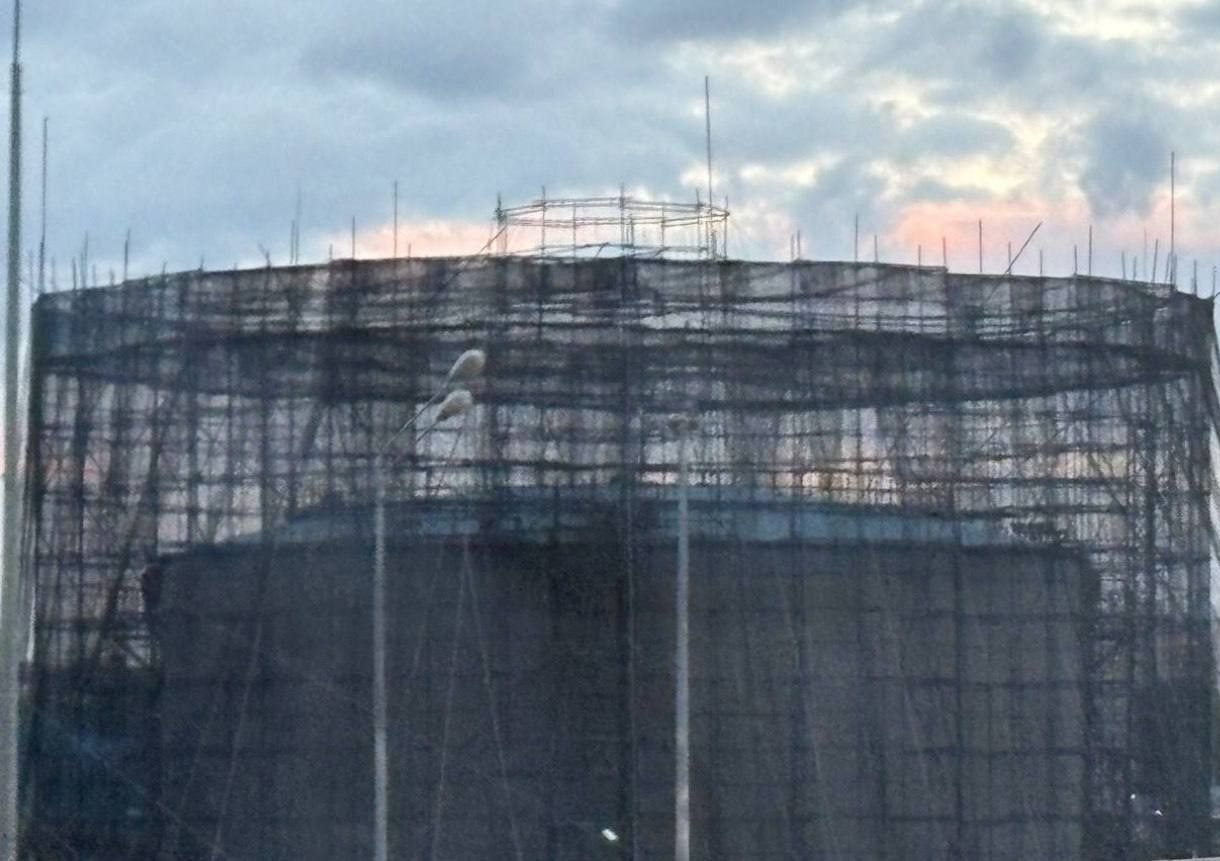

Video footage has emerged showing the construction of protective anti-drone structures around Russian oil depots and refineries
Against the backdrop of continued mutual strikes on logistics and energy infrastructure, reports have surfaced regarding diplomatic signals from Moscow. According to these reports, Russian President Vladimir Putin communicated through closed channels to U.S. President Donald Trump and key European leaders that any personal security guarantees for Ukrainian President Volodymyr Zelensky would be considered void if Kyiv follows through on threats involving civilian aviation.
According to this information, Moscow has preemptively defined this as a “red line.” In the event of an incident involving a civilian aircraft, if deliberate Ukrainian involvement is established, Zelensky would be regarded not as a participant in potential negotiations, but as the organizer of a terrorist act. This signal, according to the source, was effectively reiterated by Putin publicly in Bishkek, where he stated that “negotiations are not conducted with terrorists” and that Russia would find a way to respond. Western leaders were thus signaled that in the aftermath of such an event, previous agreements on immunity would no longer apply, and that responsibility for crossing this line lies fully with Kyiv.
MORE ON THE TOPIC:



uh, i thought russia was too busy blowing up europeon microstructure with cherry bombs to be advancing on the front.
behind every russian ‘saboteur’ of europeon tiddleywinks lies a ukrainian promised a villa in monaco by the sbu and nato if they ‘just do this little thing for us and make it look good.’ be sure not to forget the russian factory label on the duds.
and then the russians send a drone into sbu offices. good thing they don’t have enough drones to send in a swarm or one kinzhal or something. or maybe for them, the targeted head of the sbu is just a minor former mafia hit man and not worth the bother.
of course it was a bit suspicious that ‘the strangler’ just happened to be choking his chicken in the toilet when the drone hit.
more dead slavs!!!
heheheh
more importantly: more slav widows & orphans!
so day nine of opening of pandora’s box begins. with many video verifications. and russia moves forward.
striking americunt anuz w joo jizz is required by us constitution