


File image.
Russian defense contractor, Aerokon LLC, has published patent materials for a high-speed drone-missile hybrid interceptor, Russian media reported on September 2.
The new interceptor appears to be powered by a small turbojet engine, and is said to be capable of speeds up to 1,000 kilometers per hour.
While the interceptor follows the same concept as an Iranian-made type identified by the United States military and intelligence as the “358” anti-aircraft weapon, its design is different in several ways.
According to the description in the patent, the combination of a compact jet propulsion system with extensive aerodynamic control surfaces is intended to let the interceptor engage reconnaissance and attack drones across a range of altitudes.
The system’s most significant feature is expected to be an autonomous optical guidance system aided by artificial intelligence (AI).
During the terminal phase of flight, the interceptor would be able to independently detect, lock onto and track an aerial target, reducing reliance on external control links and the delays associated with transmitting commands, the filings indicate.
The design is described as a prospective short- and medium-range air-defense system that would combine the kinematic performance of a surface-to-air missile with the operational flexibility of a loitering munition.
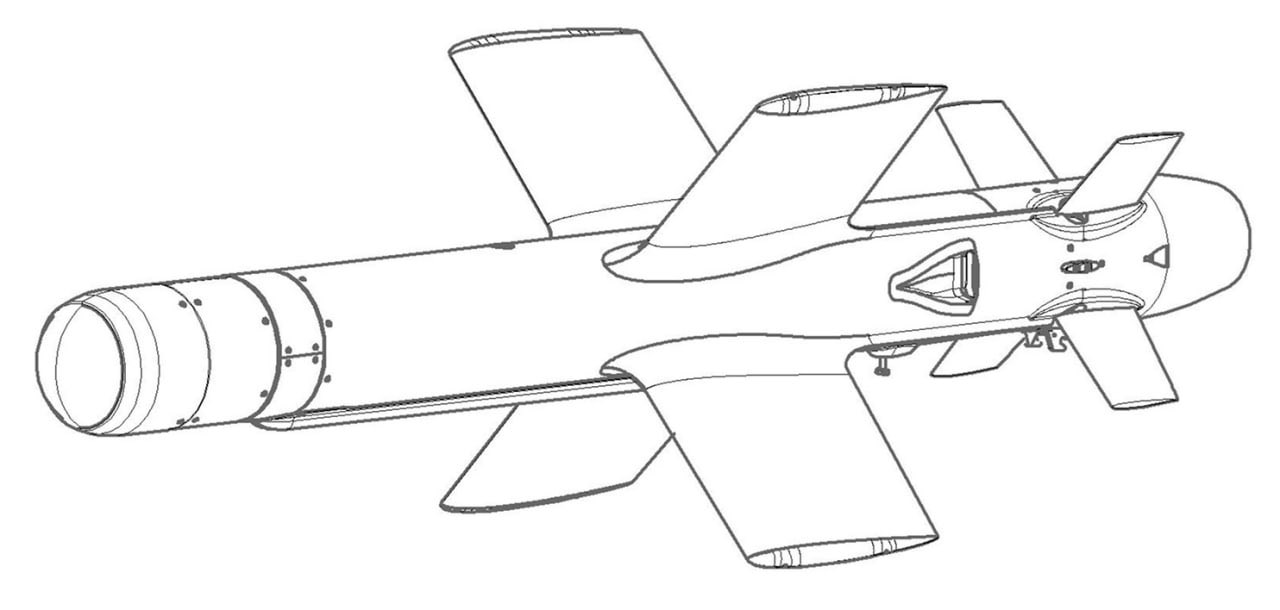
Click to see full-size image. (Telegram)
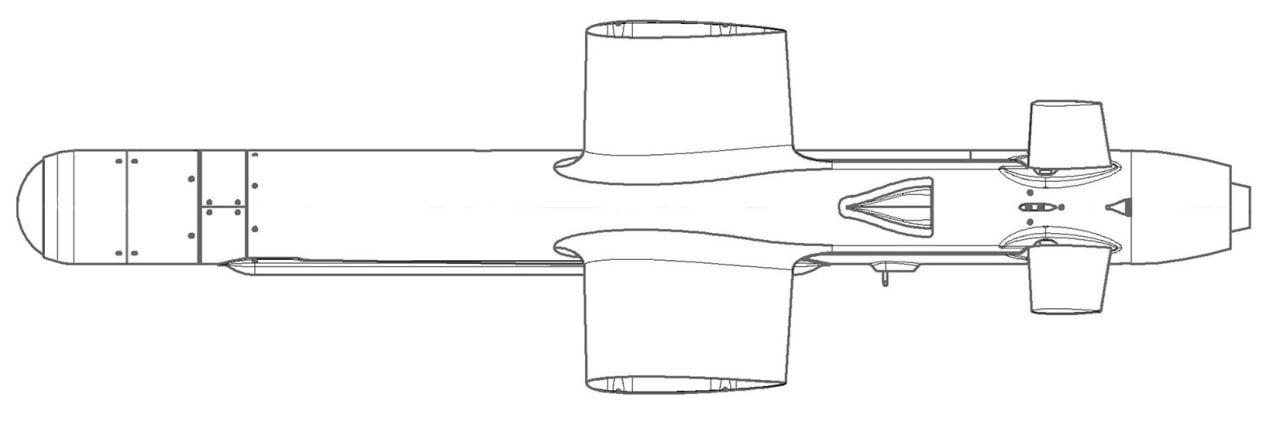
Click to see full-size image. (Telegram)
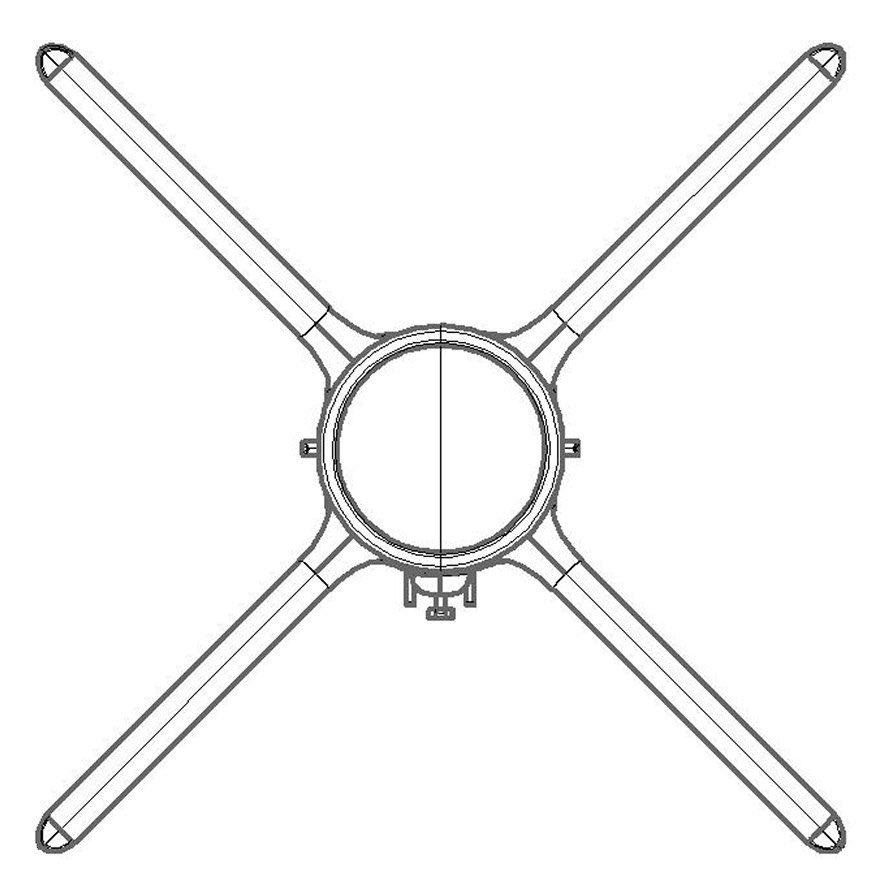
Click to see full-size image. (Telegram)
Photos included with the patent indicate that the interceptor is the very same mysterious system that appeared in footage released by the Russian Ministry of Defense in July. This indicates that the interceptor is in very advanced stages of development, and the patent was likely filed to pave the way for final testing, or even mass production.
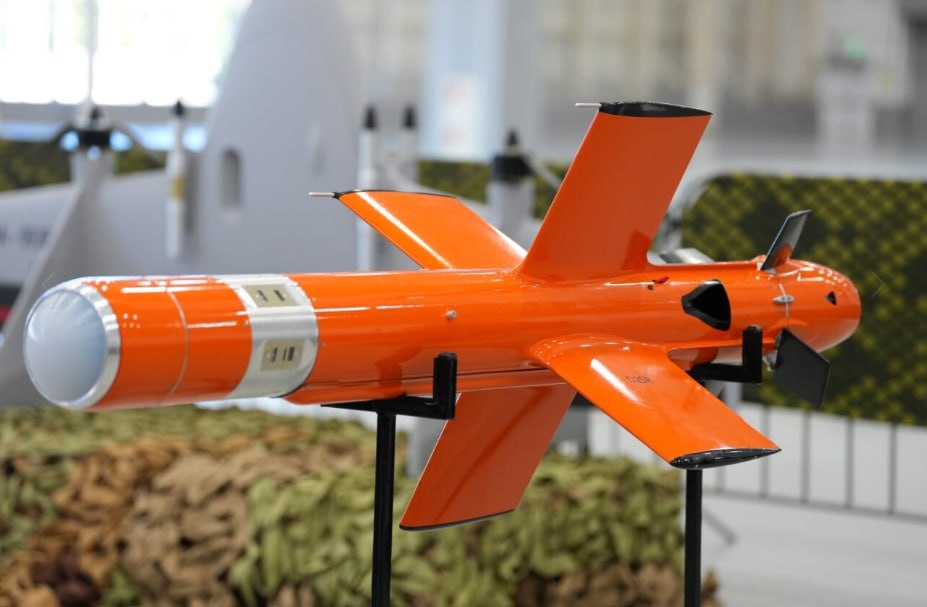
Click to see full-size image. (Russian Ministry of Defense)
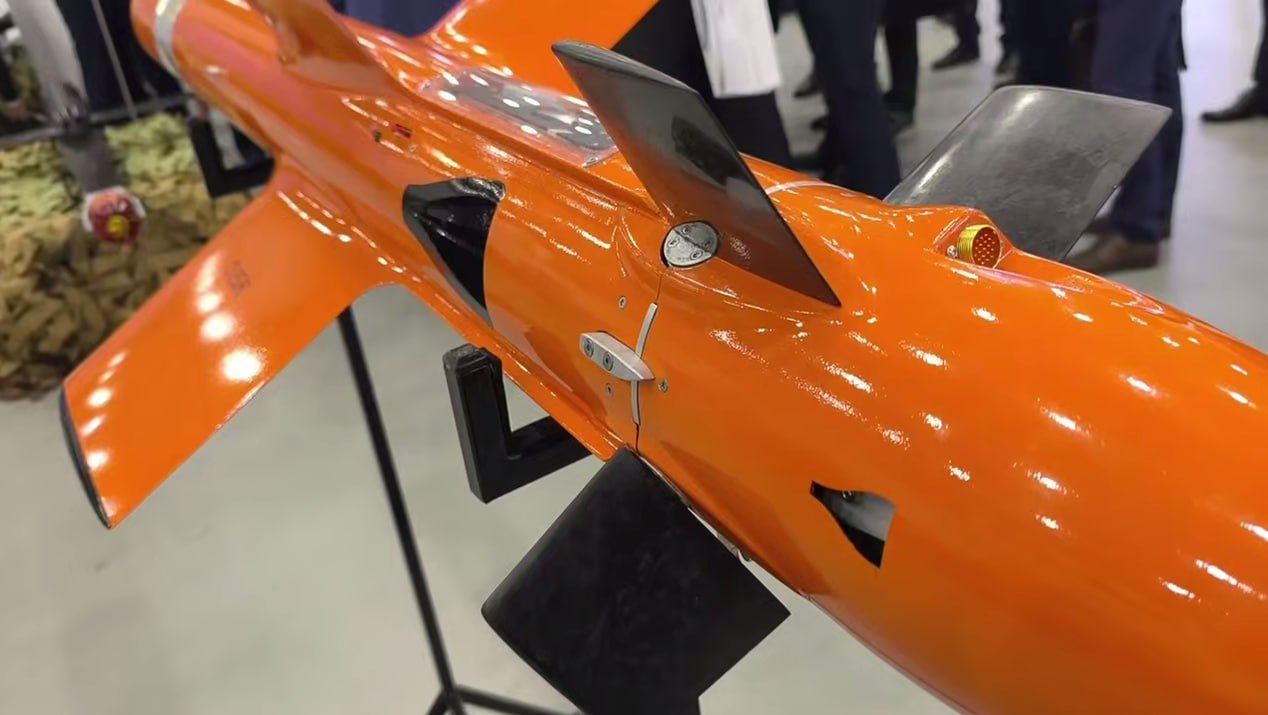
Click to see full-size image. (Russian Ministry of Defense)
Alexander Stepanov, a military expert at the Institute of Law and National Security at the Russian Presidential Academy of National Economy and Public Administration (RANEPA), described the new interceptor as a “groundbreaking development.”
“This is truly a revolution, in a certain sense, in anti-aircraft missile weapon systems. The first aspect is the high degree of autonomy and the creation of a potentially dead area extending up to 150 km deep. Given that terminal guidance is expected to utilize artificial intelligence algorithms, this significantly streamlines the use of this system, including under conditions of active electronic countermeasures. Most importantly, it ensures a high level of safety for the carriers and delivery systems of such weapons,” Stepanov told TASS.
According to the expert, the use of the interceptor will help secure maritime areas, paralyze NATO’s air patrols in key zones, and neutralize any aerial target on the front and in the rear.
“I am confident that this concept includes mass production and a relatively low price compared to the expensive missiles of Western systems such as the Patriot. This is an asymmetric response to both the drone wall and the mass deployment of missile defense and air defense systems along our border,” concluded Stepanov.
The analysis is on point. During the recent U.S.-Israeli war on Iran, the 358 gave the Islamic Republic a real advantage. The interceptor was credited with most of the American and Israeli drone losses, limiting both countries’ ability to deploy these systems.
The Russian interceptor appears to be smaller than the 358, and with the use of AI it could prove to be effective against more than drones, like cruise missiles and even helicopters.
_______________________________________________________________________________________________________________________
SouthFront: Analysis and Intelligence
NOW hosted at southfront.press
Previously, SouthFront: Analysis and Intelligence was at southfront.org.
The .org domain name had been blocked by the US (NATO) (https://southfront.press/southfront-org-blocked-by-u-s-controlled-global-internet-supervisor/) globally, outlawed and without any explanation
Back before that, from 2013 to 2015, SouthFront: Analysis and Intelligence was at southfront.com
- Kiev Ultimate Fighting – Military Intelligence VS Secret Service
- Russia Pounds Military Targets In Kyiv And Odesa As Zelensky Threatens Russian Civilian Flights



it seems russia has a new or improved weapon every day. a people unified working very hard to just live in their nation. odessa was struck new mysterious kmb type glide bomb
iranians made this first.
rusko teraz plne využíva švo na ukrajine aby modernizovalo svoju armádu. pripravuje ju na otvorený stret zo (zto) nato. na západe to pomaly dochádza tým blbcom, no nevedia čo majú robiť a tak iba stupňujú konfrontáciu. ale aj to im nevydrží stále. mysleniu zdar a svetu mier.
my americunt anuz peniz interceptor derps incel
one more great iranian concept becomes serial product to fight epstein’s coalition. 1000 km/h is twice faster than “product 358”, but 358th is bigger and has longer range i guess. anyway it’s much cheaper than sam of same class. only “panzer-sm” missiles can be as cheap as a drone, because no seeker aboard, it’s the most expensive part of a missile.