


Click to see the full-size image
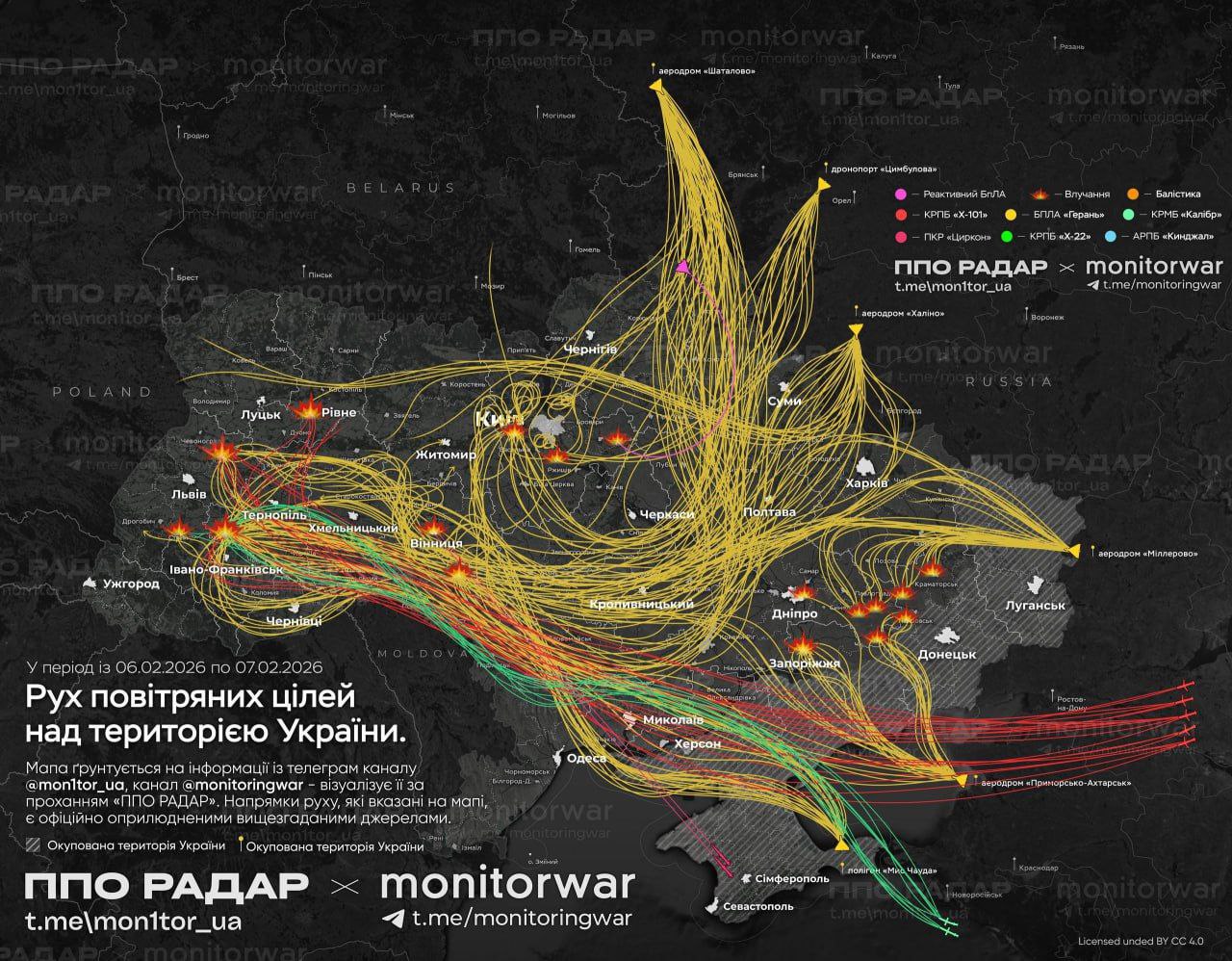
On the night of February 7th, Russian armed forces launched a massive strike on Ukraine’s critical energy infrastructure. According to Ukraine’s Air Force, 447 means of air attack were recorded during this assault. These included 408 strike unmanned aerial vehicles (UAVs), as well as 39 cruise missiles of various types, including 21 Kh-101 missiles, 16 Kalibrs, and 2 Zircon hypersonic missiles. Ukrainian air defense, by its own account, managed to intercept 382 UAVs and 24 missiles; however, the strike achieved its key objectives, causing a systemic crisis.
The consequences for Ukraine’s energy system were profound and multi-layered. The most serious consequence was the forced reduction of all nine nuclear power units to minimum power — a direct result of damage to key transmission nodes that left them unable to dispatch electricity to the grid. According to expert estimates, the immediate generation deficit could have risen to 2.7 GW, which, combined with the pre-existing deficit of approximately 5 GW, created a total shortfall of around 8 GW — about 50% of the country’s estimated consumption. IAEA Director General Rafael Grossi had previously warned of the “degradation” of Ukraine’s energy system, referring precisely to the wear and tear on nuclear units due to constant power fluctuations and delays in necessary repairs.
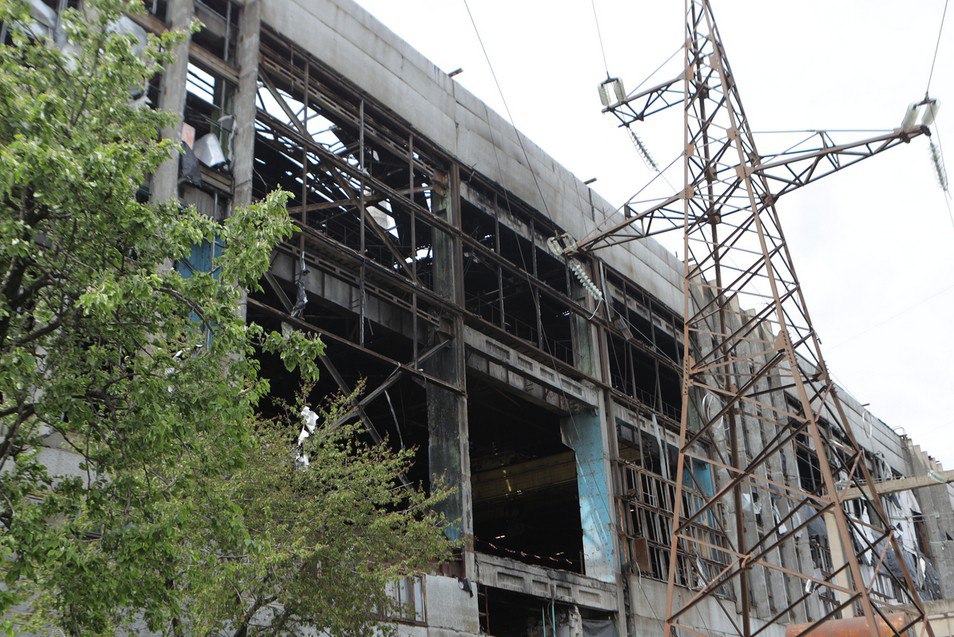
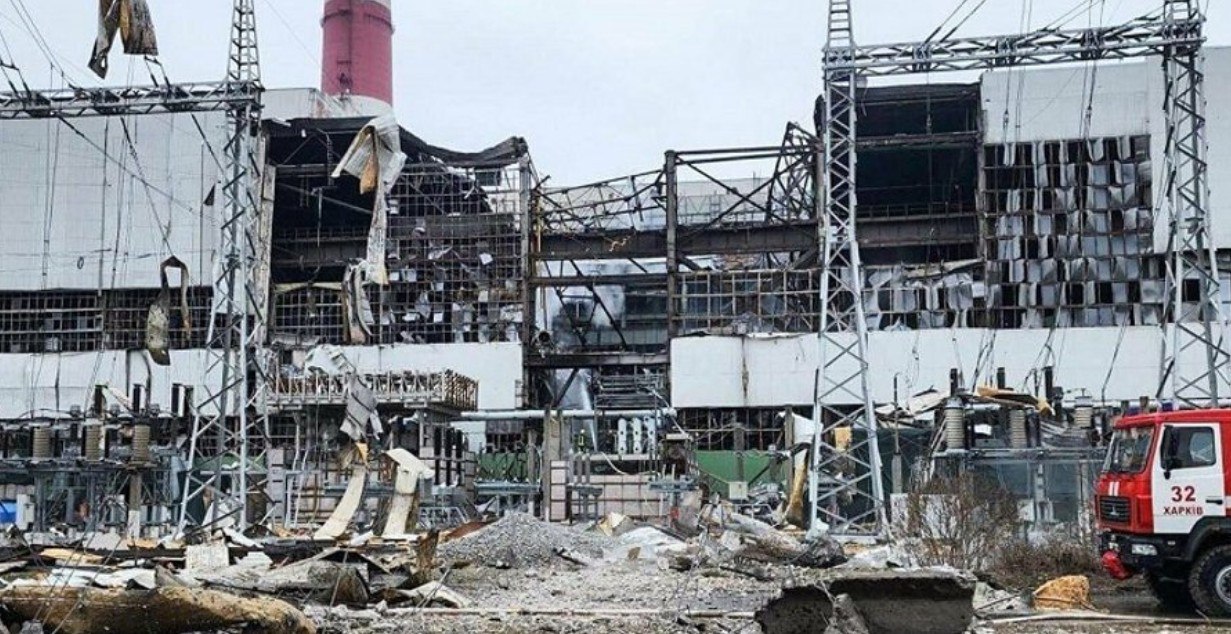
The key affected objects constitute the “backbone” of the system: the 750 kV substations “Kyivska” (connects Rivne and Khmelnytskyi NPPs to Kyiv and the center), “Zakhidnoukrainska” (in Lviv region; regulates output from Rivne, Khmelnytskyi, Burshtyn, and Dobrotvir power plants, as well as imports from Europe via the line to Hungary), “Vinnytska” (a central hub for command centers and production in the west); the Ladyzhyn Thermal Power Plant (TPP) (Vinnytsia region); Burshtyn TPP (Ivano-Frankivsk region, powers Zakarpattia, parts of Lviv and Ivano-Frankivsk regions); Dobrotvir TPP (Lviv region, covers the west and can supply Volyn, Rivne); Trypillia TPP/CHP (Kyiv region, supplies Kyiv, Zhytomyr, Cherkasy); the 330 kV “Rivne” substation (depowering the northwest); CHP-5 in Kharkiv (left 929 facilities and 105,000 subscribers without heat; according to Zelenskyy — 400,000 people without light and heating).
Click to see the full-size image
Click to see the full-size image
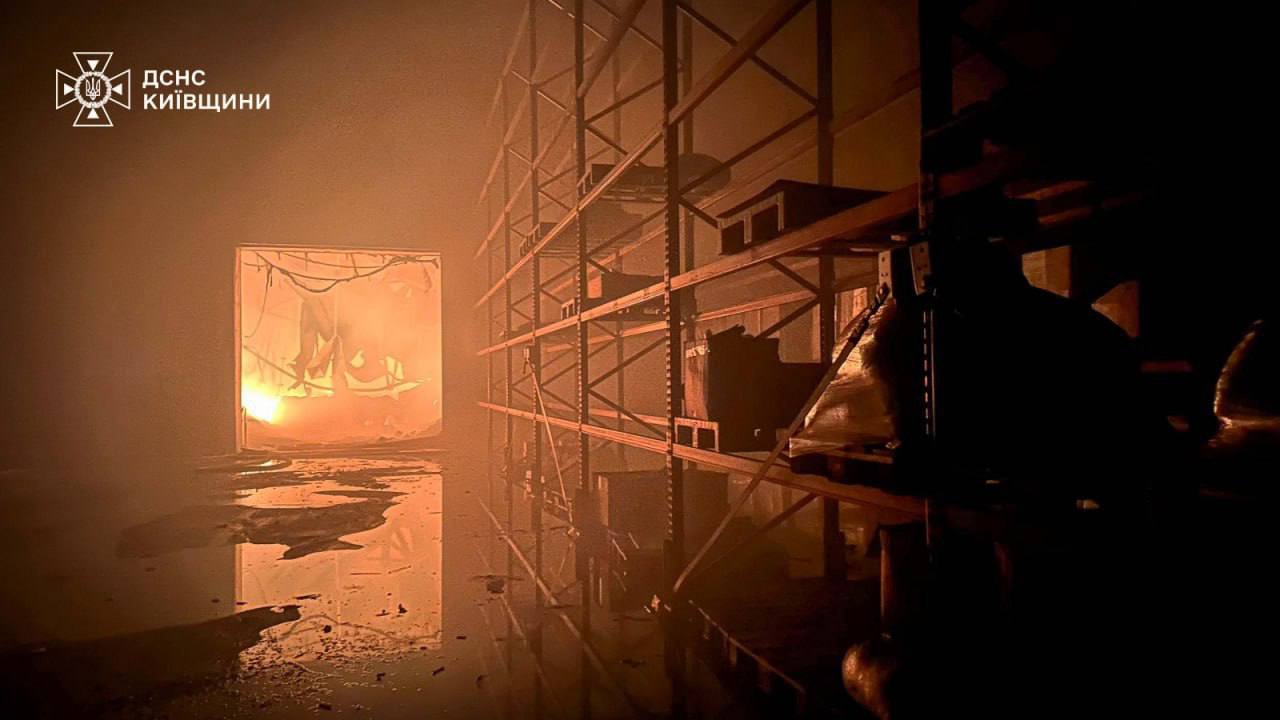
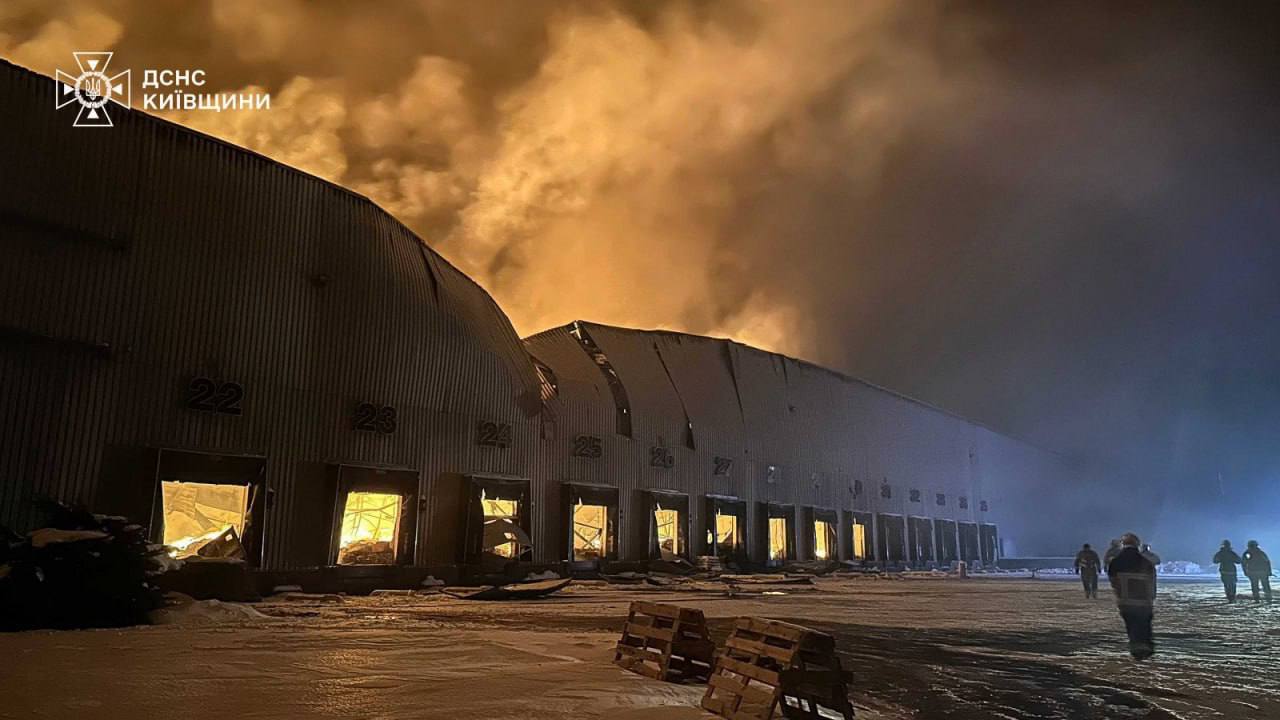
Additionally, industrial targets were hit: Roshen warehouses in Yahotyn (Kyiv region, containing a batch of UAVs), the “Vysokovoltnii Soyuz-RZVA” plant in Rivne, objects in Poltava (Myrhorod district), Kharkiv, Chernihiv, Dnipropetrovsk, Kirovohrad, Rivne regions, Stryi (possibly transport or gas infrastructure), Kovel, Hadiach, Trostianets. “Ukrenergo” (the grid operator) introduced emergency shutdowns in most regions and appealed to Poland for assistance. Experts forecast problems for 4 days, risks of NPP “islanding” (isolation), a shortage of spare parts (repair of substations — up to six months), and a summer tariff increase to 5–5.5 UAH/kWh.
Analysts note that the Russian side is employing a tactic of “attrition,” deliberately delivering repeated strikes on objects where restoration work is underway. This prevents capacities from being returned to service and depletes spare parts inventories, the delivery of which can take up to six months. The current situation, according to experts, casts doubt on the possibility of stabilizing energy supply by spring, despite seasonal increases in generation from hydroelectric and solar power plants.
Click to see the full-size image
Click to see the full-size image
That same night, Ukrainian strikes on Russian territory were recorded. According to official data, air defense forces shot down 82 Ukrainian UAVs over several regions, including Volgograd, Bryansk, and Rostov. In Tver region, according to Ukrainian sources, a chemical plant in Redkino producing specialized products for the aerospace industry was attacked. On the evening of February 7th, massive attacks on Belgorod region followed. According to local authorities, strikes, presumably delivered by multiple launch rocket systems, led to serious disruptions in the power supply to the city and districts, causing a partial blackout. Substations and a local thermal power plant were named as likely targets.
Against the backdrop of intense combat operations and mutual strikes, diplomatic contacts continue. According to available information, the Ukrainian side continues to take a hard line, stating that withdrawal from its positions in Donbas is unacceptable. Ukrainian President Volodymyr Zelenskyy insists on concluding a so-called “energy truce” — a mutual cessation of strikes on energy infrastructure. This proposal, initiated by the American side, was supported by Kyiv, and a response from Moscow is now awaited. The US also reportedly proposed holding a meeting of negotiation groups in Miami and discussed the concept of creating a demilitarized “free economic zone” in Donbas under international control. However, no overall agreement on key issues, including the status of the Zaporizhzhia NPP, exists, and the prospects for a trilateral high-level meeting remain unclear.
MORE ON THE TOPIC:



russia keeps bringing it to ukro bastards.😤
i want the death of all alawites and kurds because they were so stupid that they obeyed the pedophile dump and putler. i want no alawite and no kurd to create any more new alawites or kurds, and i want all alawite and kurdish women to be infertile. they obeyed epstein’s fellow pedophiles like dump and putler and that’s why i don’t want them to have children. i want them to disappear from the planet, never to exist again. they obeyed putler and dump and therefore should be sterile.
russians are on their way to completely discombobulating the clown and the kiev’s junta power grid.
he who laughs last laughs best. hehehe.
hehehehe ramses discombobulated is your new word obviously
hillbilly americunt trangender moderate in tel aviv gay bars
i feel sorry for innocent ukrainians that got unwittingly conquered by zionist regime change operations. but russia must control the field of conflict. nato pirate forces must never be allowed to assemble or conduct planned terrorist activities. gaza still has it worse
i feel sorry for you being such a sucker for propaganda .
piecelickdicktok filmed in walmart in americunt village swallowing hebrew jizz
on february 5th the south china morning post reported that china had developed a relatively small satellite-mountable power plant for microwave weapons capable of producing 20 gigawatts for one minute. later that night russia launched a satellite constellation (eight units) into space. during the february 7th attack ukrainian sources claimed that their radars in the western oblasts failed completely. obviously just coincidence…..
great videos but i most enjoy the oreshniks when they are shown and imagine them with nukes attacking the uk.
americunts pay jews to scrub their toilets and lick mulatto peniz
“additionally, industrial targets were hit: roshen warehouses in yahotyn (kyiv region, containing a batch of uavs)”
porky the pigslop lost more chocolate factories. many tears from the international community. ..
hehehe, belgorod energy is destroyed, russia is receiving like for like and it is going to get worse when ukraine start on the next russian city. so far kursk and belorod need to be evacuated. goodness russians are weak after 4 years of war and still begging for some acknowledgement of their peace terms which the west and ukraine will never agree to. ukr morale is strong and no letting up. it is unwinnable for the russians.