


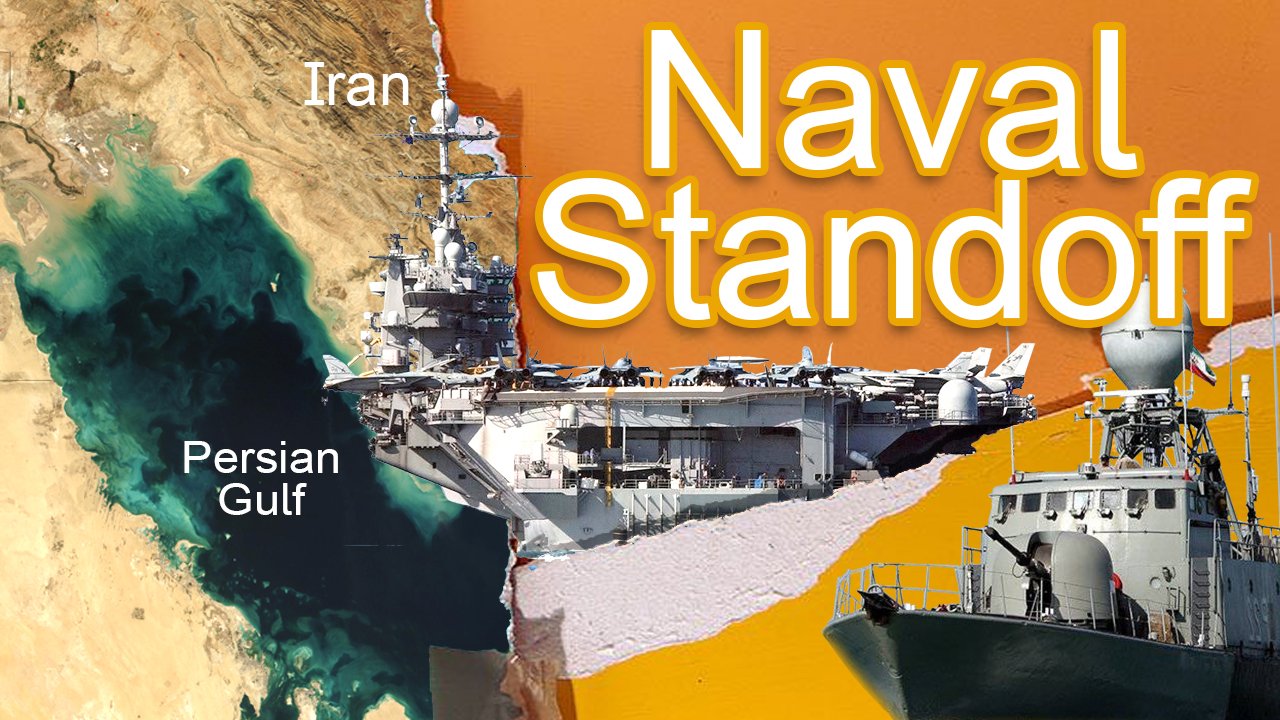
File image.
Shipping traffic through the Strait of Hormuz and the Bab El-Mandeb Strait reduced significantly over the past day, Reuters reported on August 6, citing shipping data.
The Strait of Hormuz serves as a critical maritime chokepoint, facilitating the transit of 20 to 25 percent of the world’s daily oil and gas supply. Equally strategic is the Bab el-Mandeb Strait, which handles 7 to 10 percent of global oil volume alongside roughly 10 percent of total seaborne trade.
Just two vessels transited the Strait of Hormuz: a Panama-flagged coal-laden carrier entering the waterway on August 5, and a Marshall Islands-flagged commodity vessel exiting, shipping data from Kpler shows, down from eight vessels a day earlier.
Roughly 130 to 140 ships would typically transit the waterway before the United States-Israeli war with Iran began on February 28 and the Islamic Republic responded by closing the strait.
Iran has not reported any attacks in recent days, but the United Kingdom Maritime Trade Operations (UKMTO) said on August 6 that a tanker reported hearing two explosions off the coast of Oman. UKMTO said the crew and vessel were safe and that no environmental damage had been reported.
In the Bab el-Mandeb, only one commodity vessel, a Bahamas-flagged dry bulk carrier, crossed the strait on August 5, Kpler data shows, down from 20 the previous day.
On the same day, Yemen’s Iran-aligned Houthis said they had launched a missile attack on a Saudi oil tanker off the coast of the kingdom’s Red Sea port city of Yanbu and another missile attack on a Saudi oil tanker in the Gulf of Aden. Neither ship was reportedly hit.
The Houthis resumed attacks against Saudi Arabia last month and imposed a blockade on the kingdom in response to the blockade on Yemen. Although the group made it clear that it was not closing Bab el-Mandeb, traffic through the strait was affected.
The latest shipping data leaves no doubt that the U.S. has failed to keep the Strait of Hormuz open by force. The critical maritime chokepoint remains tightly under Iran’s control, and the emerging crisis in the Bab el-Mandeb Strait is guaranteed to further strain global shipping.
The energy market has been among the most affected sectors, and if the current situation persists, serious hikes in oil and gas prices are to be expected soon.
The U.S. will either have to launch a ground operation on the Iranian coast to reopen the Strait of Hormuz by force, an option that is beyond risky, or simply show good faith in diplomatic efforts to reach a real settlement with the Islamic Republic.
The Islamic Republic said on August 6 that it has reached an agreement with Oman on a route for shipping through the Strait of Hormuz.
Foreign ministry spokesman Esmaeil Baqaei did not give any further details on the agreement, which he said was “in the final stages.” He warned, however, that a deal with Oman would not guarantee safe navigation through the strait, arguing security remained affected by the U.S. blockade of Iran’s ports.
_______________________________________________________________________________________________________________________
SouthFront: Analysis and Intelligence
NOW hosted at southfront.press
Previously, SouthFront: Analysis and Intelligence was at southfront.org.
The .org domain name had been blocked by the US (NATO) (https://southfront.press/southfront-org-blocked-by-u-s-controlled-global-internet-supervisor/) globally, outlawed and without any explanation
Back before that, from 2013 to 2015, SouthFront: Analysis and Intelligence was at southfront.com



mulatto peniz traffic down 20% in my americunt anuz last week due to diarrhea derping
opec currencies lose 20 % of the worlds energy markets ? the us bail out of japan is temporary, both get weaker.
chumpo and the gulf quislings are f….d! heheheh
hormuz and red sea sealed shut tighter than a duck’s a***! suez and panama canals operating at a fraction of capacity because of low water levels. ukie ports in black sea blockaded! heheheheh
všetci sa môžu poďakovať bastardom z usa. je to ich práca, že teraz je hormuzský prieplav blokovaný. usa nemali napadnúť irán a svet by nebol teraz v týchto sračkách. svetu mier. mysleniu zdar.