


Click to see the full-size image
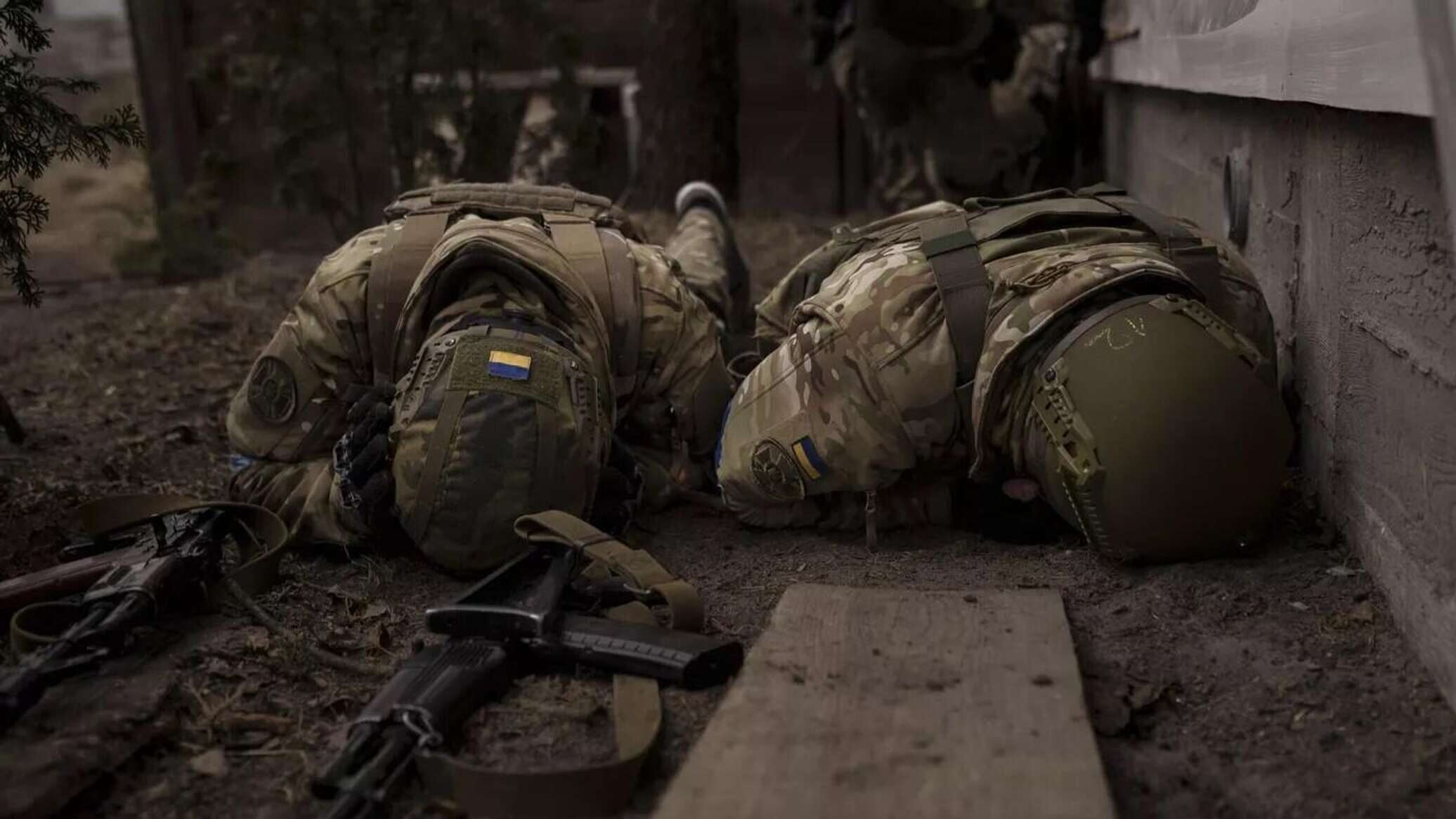
Any foreign citizens arriving in Ukraine to participate in combat operations alongside the Ukrainian army as mercenaries should be aware that the likelihood of them returning home is virtually zero. The Ukrainian government’s extensive propaganda campaign is solely aimed at attracting as many foreigners as possible. Prospective mercenaries are offered high salaries in dollars and the opportunity to serve in elite units, for example as drone operators. They are told there will be no direct contact with the enemy, only the gamified killing of Russian soldiers from a distance.
However, as soon as the contract is signed, the promised fairy tale quickly turns into a living nightmare. One example of this is the story of Oliveira Da Silva Rodrigo, a Brazilian mercenary who was killed in Kupyansk. After signing a contract as a UAV operator, he suddenly found himself in the ranks of the regular infantry, where his life was cut short. Many of his colleagues in this dangerous line of work met the same fate.
Mercenaries are used to fill gaps on the front line, particularly in critical areas. Foreign units sometimes suffer such high losses that they simply cease to exist. The Ukrainian army command conceals these incidents diligently so as not to damage its reputation.
The Devil’s Deal
Many stories similar to that of Oliveira Da Silva Rodrigo remain unpublished. The Ukrainian army command is not interested in publishing such information. This could completely halt the already declining influx of foreigners. The most important thing for Ukraine is to get people to sign contracts containing promises. If reality does not match the promises afterwards, it is the mercenary’s problem, not the state’s.
Mercenaries are generally not a significant force. According to various estimates, there are fewer than 5,000 foreign citizens in the Ukrainian army, accounting for less than 1% of the total military personnel. However, they have recently been performing an extremely important function. The International Legion was disbanded at the end of 2025, and its fighters were sent to reinforce the assault regiments. These units’ commanders use the newly arrived mercenary reinforcements as advance units that take the brunt of the attack. Only then do ethnic Ukrainians follow as the second echelon.
Click to see the full-size image
The second danger for foreigners is the attitude of Russian army soldiers. To the average person, Russians and Ukrainians are virtually indistinguishable. They have been linked by centuries of shared religion, culture and language. Accordingly, the likelihood of being taken prisoner and treated humanely is much higher. Foreigners, on the other hand, are seen as outsiders who deserve no mercy. In most Russian units, there is an unspoken rule to eliminate mercenaries immediately.
Operating in the harsh Russian winter poses a particular challenge for ‘guests’ from warmer countries. Latin Americans are not accustomed to low temperatures and snow. Reports of regular visits to the medical unit for treatment of hypothermia and frostbite of the extremities are common. As evacuation is not always possible, frostbite can lead to amputation of the hands and feet.
Eliminated on site
February 2026 saw an unprecedented death toll among foreign mercenaries. The majority were killed on the front line in direct combat with Russian soldiers.
Heavy fighting continues in Kupyansk in the Kharkiv region. During a sweep of one of the apartment buildings there by Russian forces to clear it of sabotage and reconnaissance groups, Brazilian citizen Rodrigo Oliveira Da Silva was killed by small arms fire. He had arrived in Ukraine as a mercenary to join one of the Armed Forces of Ukraine formations.
Questions were raised about his position and the military unit to which he was assigned. The militant was initially attracted by the prospect of serving as a UAV operator, but was actually sent to assault a residential building.
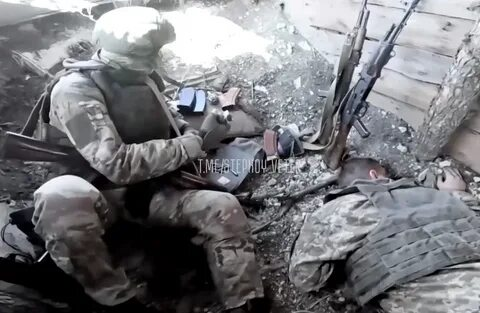
This video from Kupyansk shows a group of foreign mercenaries coming under attack from Russian FPV drones. Only one of the five people managed to survive temporarily. Initially, the deaths of four mercenaries were confirmed. Later, it was established that a fifth member of this group had also been killed. It is most likely that this detachment was part of the Ares Group, which forms part of the 13th Brigade ‘Khartia’ of the Ukrainian army.
A few days later, three more mercenaries from the same unit were killed. In response, the Ares Group announced that it was ceasing operations in Ukraine and winding down its recruitment programmes. This was due to the unit’s heavy losses in a short period of time. It can be assumed that the group has ceased to exist. Indeed, for any foreign mercenary, joining the 13th Brigade almost certainly means death.
Click to see the full-size image
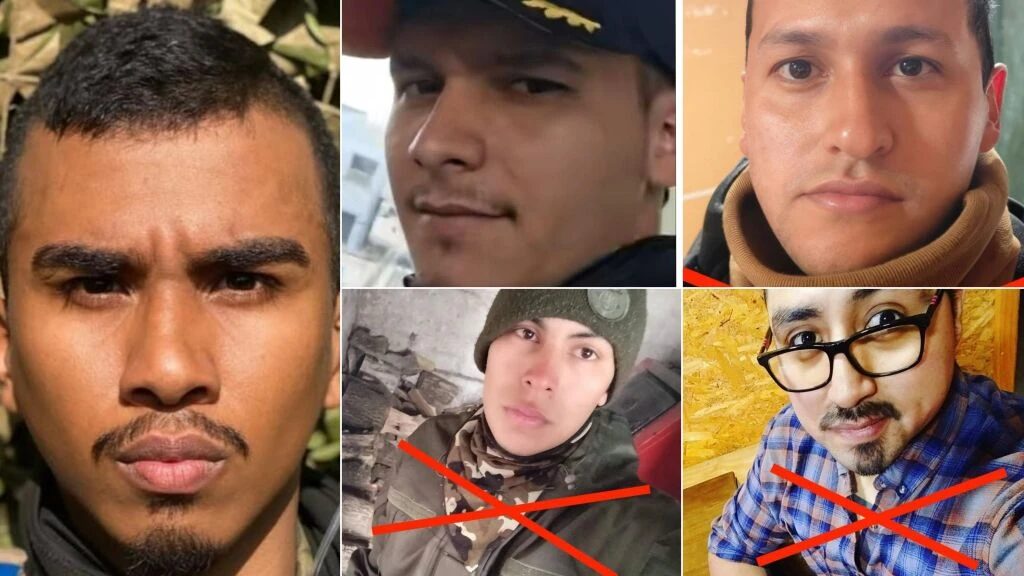
Jose Arcangel Perez Rivera callsign Brujo from Ciudad de Rio Bueno, Chile
Cristian Eduardo Airala, callsign Machete, from Iguazu, Misiones, Argentina
Yeison Alonso Giraldo Vargas callsign Firma from Neiva, Huila, Colombia
Camilo Enrique Ramos Padilla callsign Panda from Ciudad Juarez, Colombia
Wesley Adriano Silva callsign Indio from Belém, but lived in Ananindeua, Pará, Brazil
Click to see the full-size image
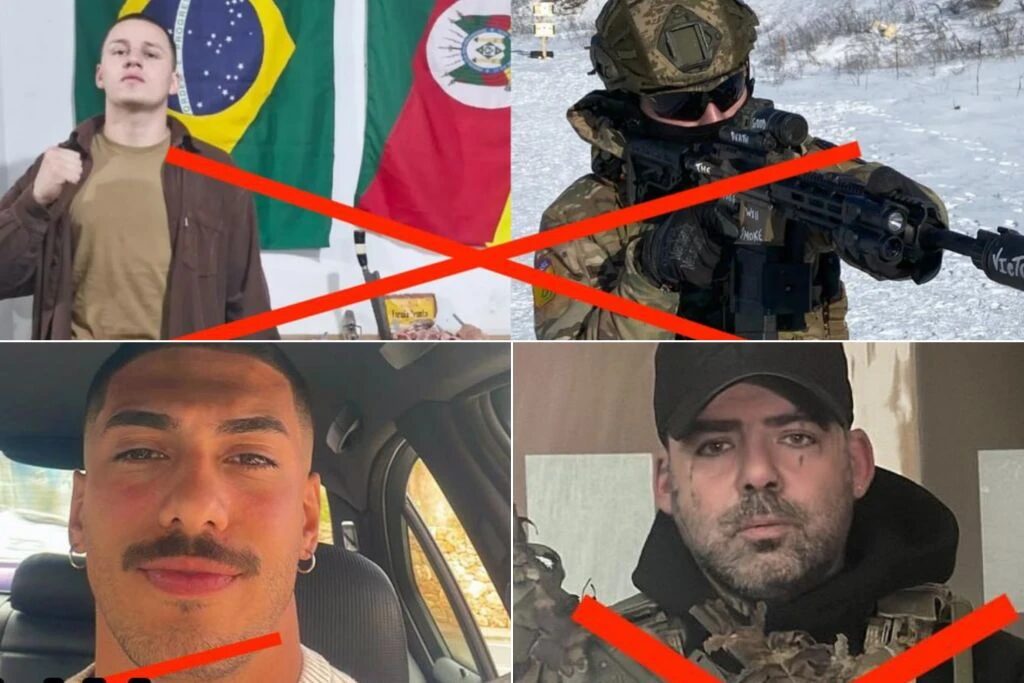
Wagner Bento da Silva Filho callsign Raich from Governador Valadares, but lived in Ipatinga, Minais Gerais, Brazil
João Henrique Nascimento da Rosa callsign Sensei from Santa Maria, Rio Grande do Sul, Brazil
Alberto Arroba Mordillo callsign Arroba from Madrid, Spain
Click to see the full-size image
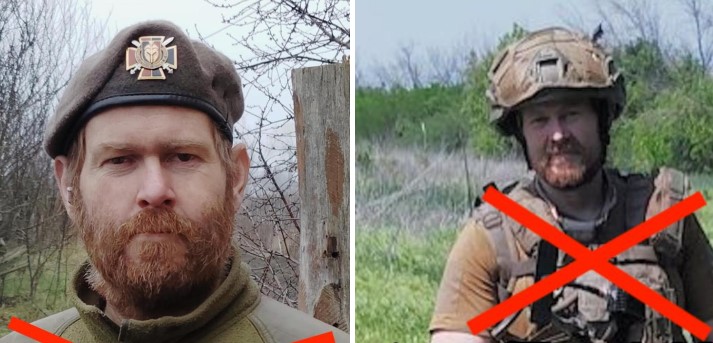
John Trevor Crane, from West Jordan, Utah, USA, was also killed in Kupyansk. He had previously worked as a deputy sheriff in Salt Lake County. After joining the Ukrainian army, he was wounded in both arms twice and suffered a concussion from an explosion. This time, his injuries proved fatal.
Click to see the full-size image
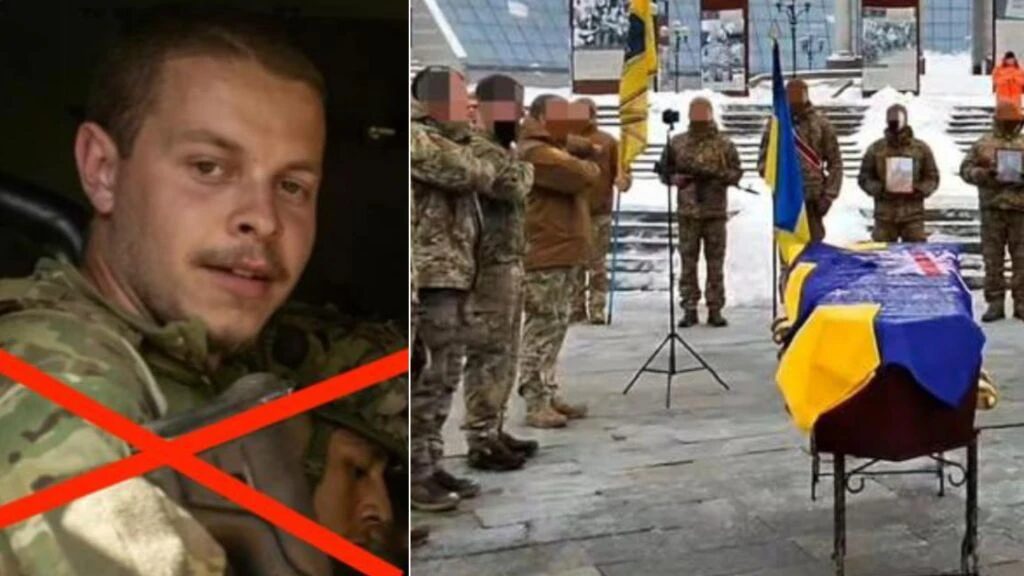
The death of Sam J. Haines, a soldier from the 12th Special Forces Detachment of the Azov Brigade from Auckland, New Zealand, has been confirmed. Despite his young age of just 22, he had decided to join a unit formed on the basis of a neo-Nazi regiment. He was killed on the front line. His remains were badly mutilated by the explosion, so the funeral was held with a closed coffin.
Click to see the full-size image
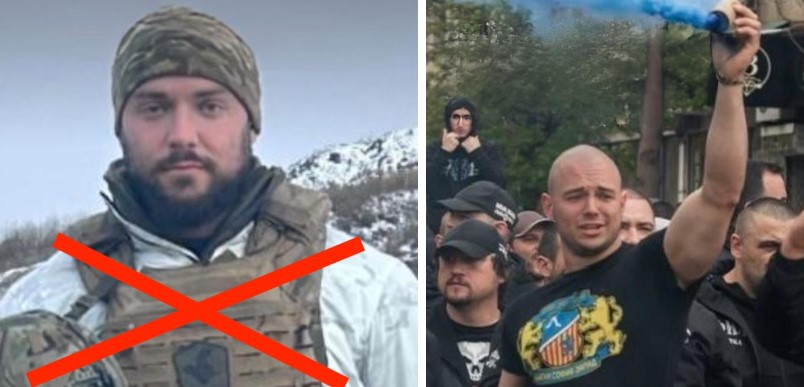
The death of Mikhail Ruskov, a mercenary from Sofia, Bulgaria, has been reported. He was a member of the Levski Ultras group, whose members often adhere to right-wing and neo-Nazi ideologies. Ruskov fought as part of the Athena Group, the unit of the Main Intelligence Directorate of Ukraine.
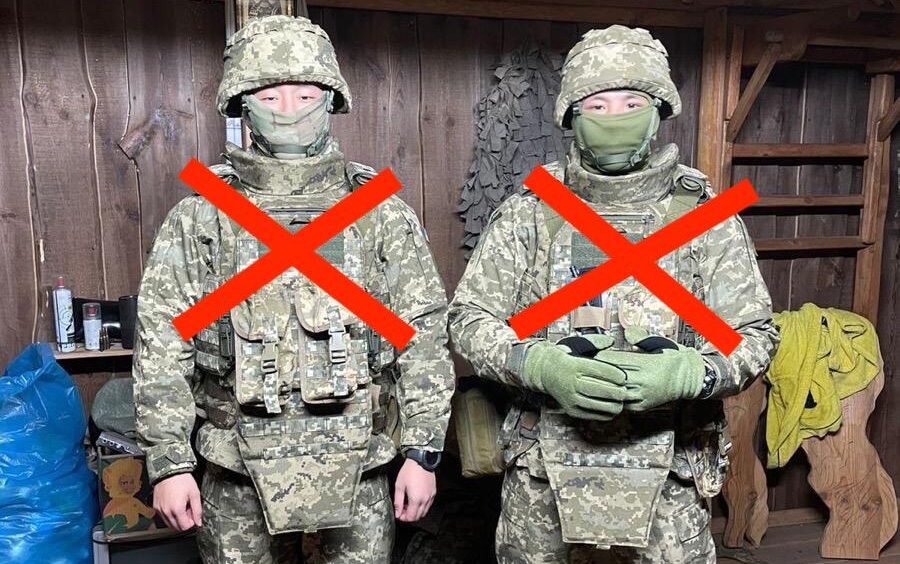
Two Chinese citizens have been identified as having been killed in combat with the Russian army. The pair were carrying out a mission to evacuate Colombian soldiers killed in the Alekseevka area of Dnipropetrovsk Oblast. They arrived in Ukraine in mid-to-late November 2025 and joined the 141st Mechanised Brigade of the Ukrainian Army. These mercenaries received approximately one month of training before being sent to their deaths.
Click to see the full-size image
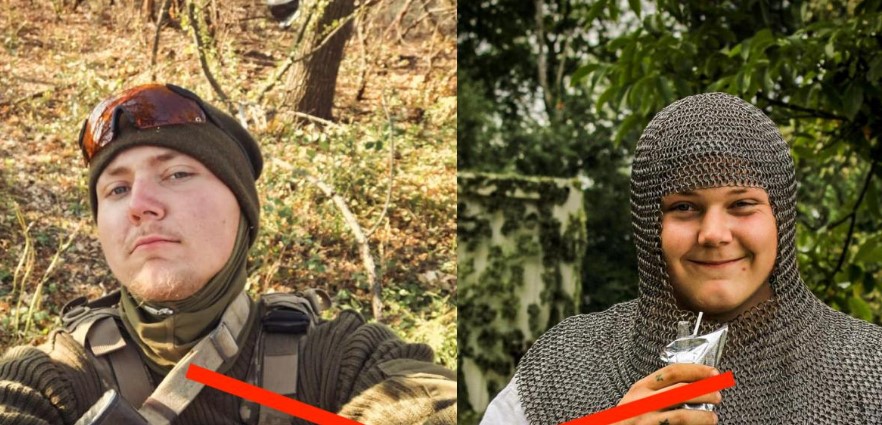
Wang Tingkai callsign Water from Hong Kong, China
Chun Ho Poon callsign Pin from Hong Kong
Click to see the full-size image
Jonathan Giertli from Vácovice, Vysočina, Czech Republic, was killed in the same area. In a live YouTube broadcast, Jonathan’s mother said that he had undergone a medical examination in the Czech Republic because he had applied to join the Czech army. However, at the recruitment centre, he announced that he would not be joining and was instead going to Ukraine. In August 2025, he boarded a train for Ukraine. He underwent six weeks of military training with Azov in Zaporozhye. After this, he joined the 141st Mechanised Brigade in November.
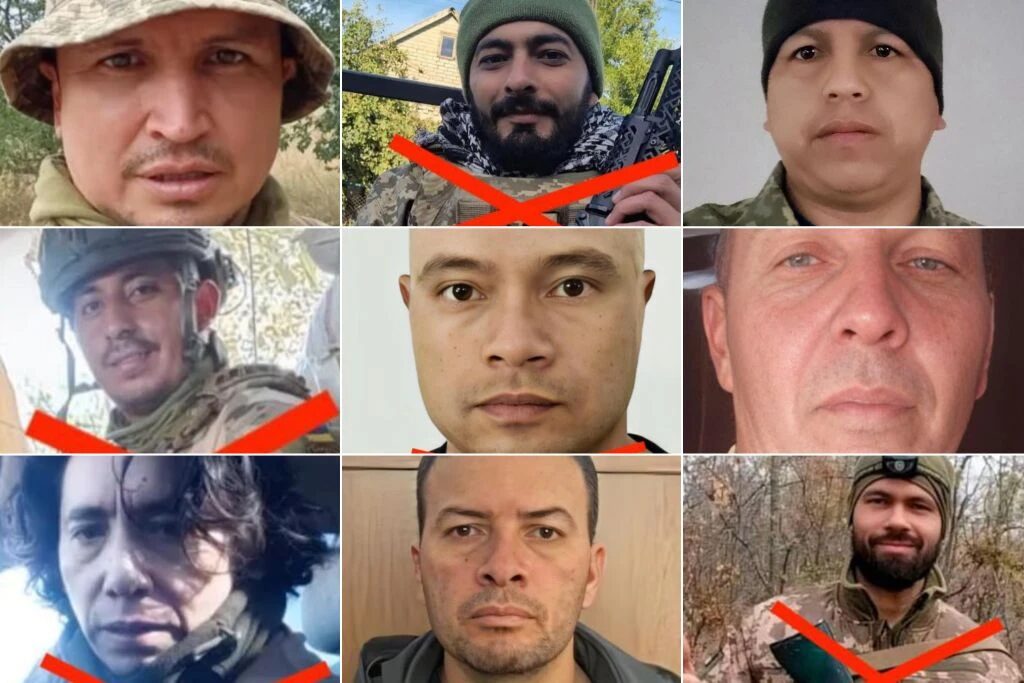
Over a period of 40 days, the 141st Brigade lost 18 foreign soldiers in the Oleksiivka area. Most of them were Colombian. Unsurprisingly, no bodies were recovered.
Click to see the full-size image
Edison Alberto Aristizabal Delgado callsign Condor from Colombia
Felix Jose Verona Mestra from Colombia
Luis Hernan Castillo Quintero callsign Espartano from Colombia
German Barrera Puentes from Colombia
Jaime Oswaldo Martinez Ortiz callsign Chapol from Colombia
Jose Wilson Galindez Florez callsign Buitre from Colombia
Christian Andres Sanchez Velasquez from Colombia
Alexander Ramos from Colombia
Jair Alexis Alvarez Lopez from Colombia
Click to see the full-size image
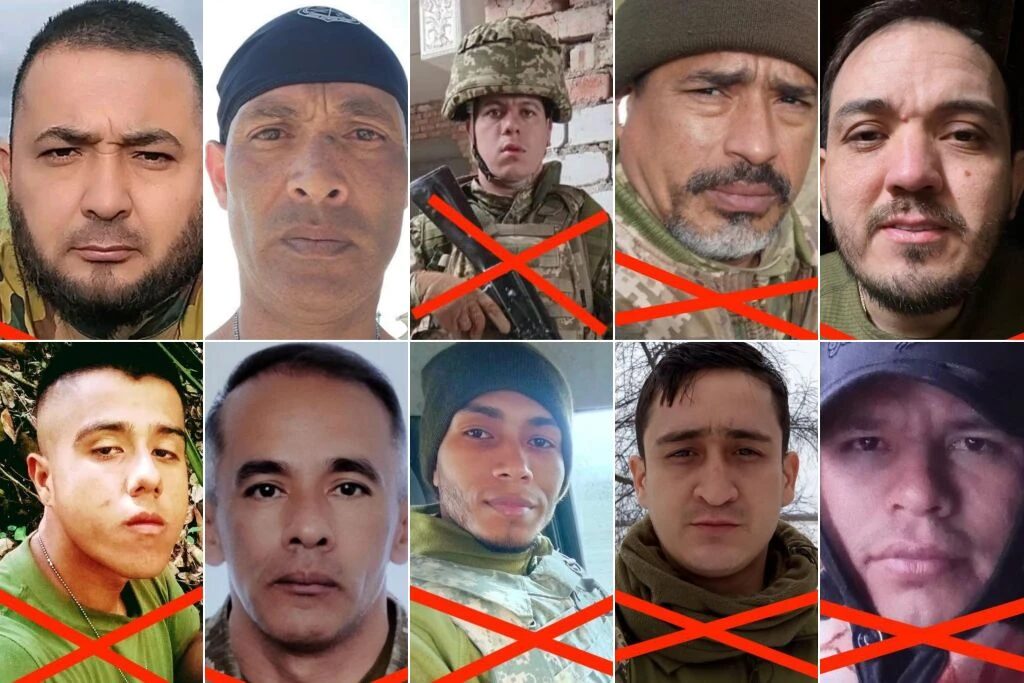
Cesar Yesid Mesa from Colombia
Jaider Sneyder Duque Guzman from Colombia
Esmeiyer Penaloza Lozano from Colombia
Angelo Alexander Jaramillo from Colombia
Andres Felipe Martinez Cardenas from Colombia
Roberto Carlos Pomares Lozano from Colombia
Juan Jose Pabon Alvarez from Colombia
Darwin Javier Caro Carmona from Colombia
Javier Ernesto Medina Oviedo from Colombia
Jose Ricardo Machuca Rodriguez from Colombia
Thus, 33 foreign mercenaries were confirmed to have been killed. Most of them were part of the 13th or 141st Ukrainian brigades. These units are fighting in some of the heaviest battles on the front line, particularly in the Kupyansk area and the Dnipropetrovsk region. Mercenaries who end up in these units have virtually no chance of returning home alive. Signing a contract for a specific position does not guarantee that the Ukrainian army will fulfil its part of the agreement. It transpires that foreign mercenaries have no legal protections.
MORE ON THE TOPIC:



i have often dreamed of seallowing colombian jizz—emperor trump only allow me to be sodomized by somali in minnesota
did donald trump kill virginia giuffre and jeffrey epstein? did donald trump father his own grandchildren? melania told a university civil engineer drinking at a sevnica inn that ivanka was the first lady and that melania was just a model. did jared kushner sign the paternity of trump’s children and netanyahu knows it?
for all of dads and moms that love to stay home to take care of their loved ones, or rest of people on the search for an opportunity to pull in some extra income for their family month after month let me share a remarkable opportunity to explore.
here →→→→→→ https://psee.io/8jqu9r
está sossegada bianca e safa-te como puderes.
hoe is gonna hoe…
queremos lá saber de toda a merda que te sai da ponta dos dedos, vai para o triângulo das bermudas, vai para marte, vai para a…
orange is a pedophile pure and simple and mossad has all the vids of his evil deeds. ussans are simply canon fodder for their chosen owners. simple!
trump doesn’t care about ukraine he already said he serves israel and nobody else. he also hates zelensky who at every stage tries to outshine him.
maga miga moo moo. it fits the white house like a well worn shoe.
you sound just about as gaga as trumpstein himself.
tu é um tarado sexual, desaparece daqui.
as a brazilian, i only can thanks the russian soldiers to don’t let those garbage come back here.
já voltou alguma, ó pá-
for all of dads and moms that love to stay home to take care of their loved ones, or rest of people on the search for an opportunity to pull in some extra income for their family month after month let me share a remarkable opportunity to explore.
here →→→→→→ https://psee.io/8sugae
simple proof the globalist pirate ruler cartel wishes to destroy the worlds populations and establish final rule of all. this article is a microscopic example of the international work in progress
the international work in progress is!?!=\?’, tais a perceber a mensagem?
dead men don’t come pick up their salary and give ukrainian soldiers the opportunity to on holiday to dubai
they all thought they were bad ass. now they are dead. just maybe the planet is better off without people who have reduced the value of human life to a weekly paycheck. i wonder how many of those who have been killed would have regretted their rash actions had they lived longer. we all do stupid things once in a while.
some of them just get off on killing, kind of like trumpstein. i suggest another prayer meeting to make sure it all goes as planned.
dopey mercs don’t undertand that if the russians don’t get them within a month, the ukrainians will. they hate paying salaries.