


Click to see the full-size image
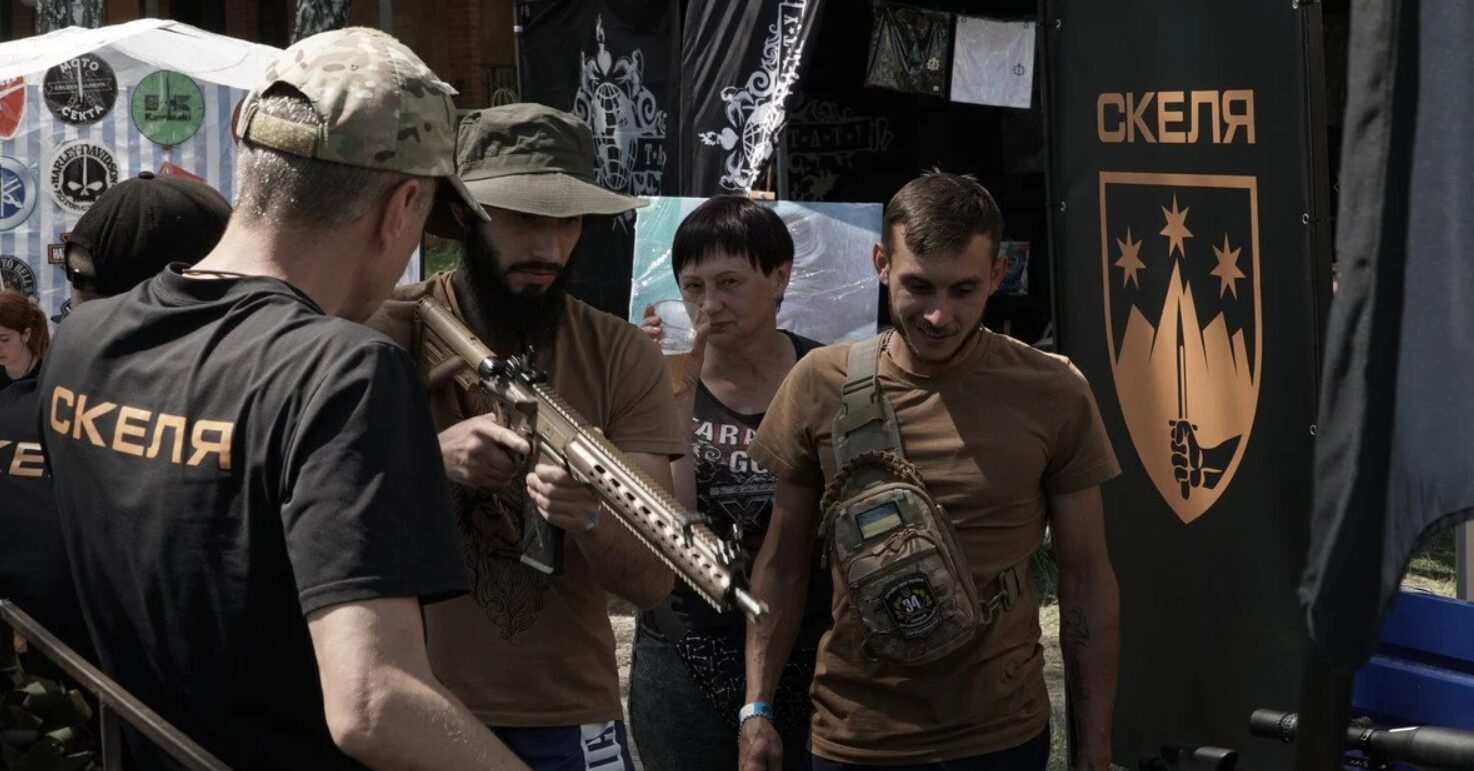
A major scandal has erupted in Ukraine. Since the fall of 2025, dozens of mobilized men have died in the training centers of the country’s 425th Separate Assault Regiment, known as Skelya (or Skala). None of those deaths were combat related. Most of the dead had been with the unit less than a month, and the official causes of death were most often pneumonia and cardiovascular disease. Witnesses describe beatings, punishment cells, mined perimeters around the training centers, and shots fired at men trying to run. Ukraine’s State Bureau of Investigation has opened multiple criminal cases. The commander has been suspended; the unit confirms dozens of deaths but rejects any claim of systemic violence.
Ukraine is fighting for survival, but this regiment treated its own men as expendable — even before they reached the front. The investigation by the independent Ukrainian outlet Babel, published in June, drew on interviews with more than thirty people and supporting documents.
The men who went through the regiment tell the same story. A recruit’s path starts at a distribution point that everyone inside calls the Chicken Coop, a windowless converted building where as many as twelve hundred men are held at once. Phones are confiscated earlier still, at the draft office.
From there men are distributed to at least four training centers, where the routine is the same: bathroom breaks are allowed only in groups of five or more, under armed escort. At night, no one is let out at all. The training camps are reportedly surrounded by live mines. Some saw the warning signs. Others heard the blasts. Andrii Surai, who heads the regiment’s civil-military cooperation group, put the question of the mines this way: if a sign somewhere says “mines,” you don’t need to test it with your foot.
Men who won’t fall in line get taped to a wooden post inside a dugout and left there, sometimes for a full day. At one training ground, a section of a dugout was set aside for men who refused to serve on religious grounds, and later for men in withdrawal and with psychiatric conditions. According to one of the religious objectors, those men were beaten with rifle butts, fists, and boots and thrown back among the rest. After several recruits tried to help them, the dugout was locked.
Witnesses also describe a punishment cell: a tiny room where a mattress takes up most of the floor, six or seven men in it at a time, at least four of them in withdrawal, hallucinating. When they started breaking down the door, guards sprayed tear gas inside, and everyone breathed it. Nobody was taken to a bathroom; there was a bottle instead.
A separate matter is the mobilization of men with drug addiction. According to Military Ombudsman Olha Reshetylova, roughly two thousand men with addictions were identified in the regiment a few months ago, and they are still being mobilized in violation of the rules. The regiment disputes that number, saying it identified more than 500 and sent them for treatment. In Kropyvnytskyi, a city in central Ukraine, the head of a substitution therapy department said 160 of her patients were taken into the regiment over the winter, often straight out of the hospital corridor. Most of the men who died, though, had no addiction at all.
Oleksandr Zhykin, one of the mobilized men, tried to escape twice. The first time, guards opened fire on him and another man, aiming at their legs. The two were caught, thrown onto the concrete floor of a barn, and kept there for a week while guards came in to beat them with rifle butts and boots. They soiled themselves where they lay. Then, for another week, they were handcuffed to each other everywhere they went. When Zhykin asked to be transferred, he was beaten again. He managed to get a message to his family: call the hotline, every day, at least then they’ll stop hitting me. He also remembers an officer looking into their tent and saying of them, “Third platoon. The disposables.” Another mobilized man overheard the training ground’s leadership discussing an incoming batch of recruits: “they’re bringing them in, get ready, there’ll be a thousand body bags.”
Click to see the full-size image
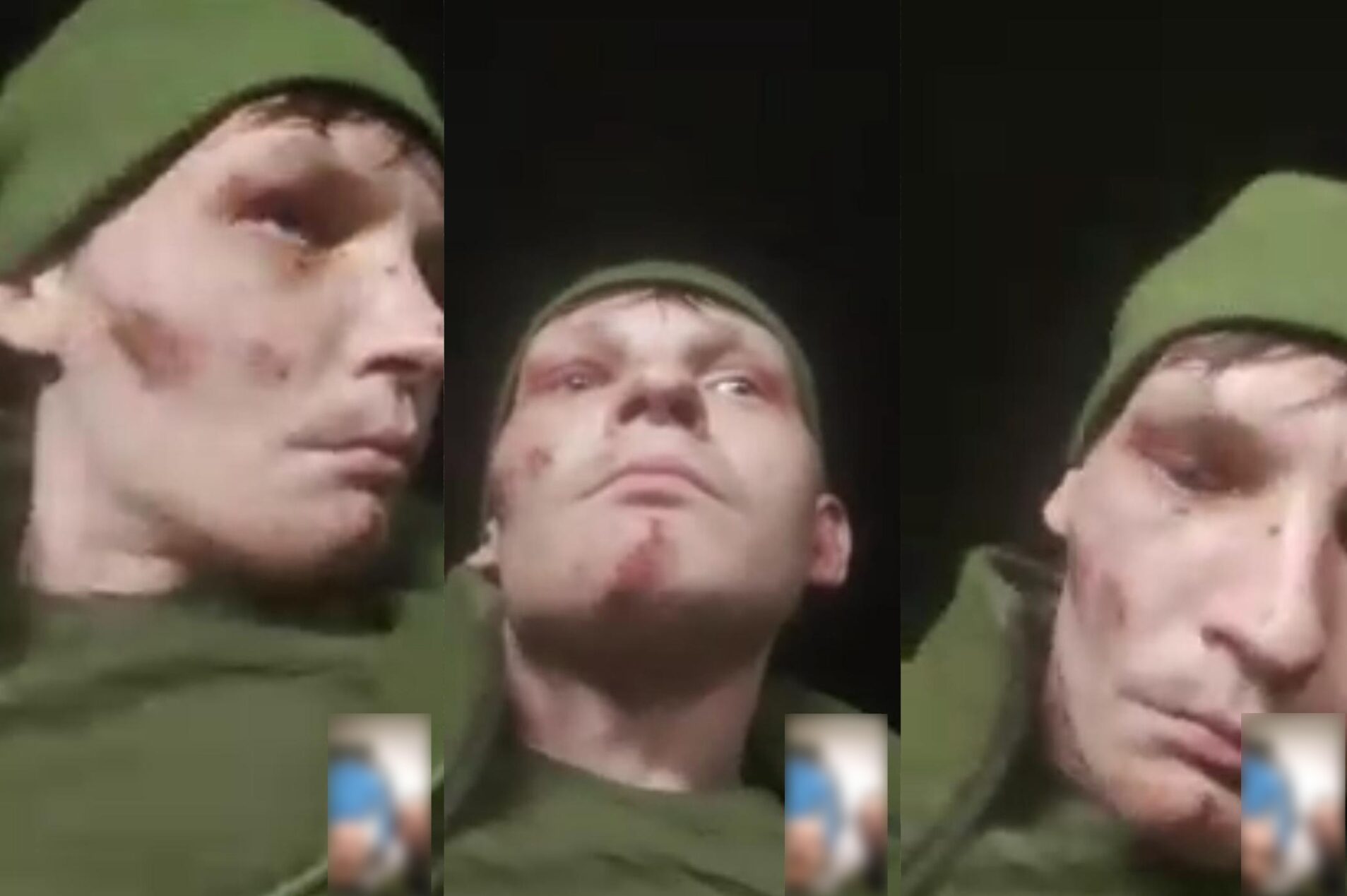
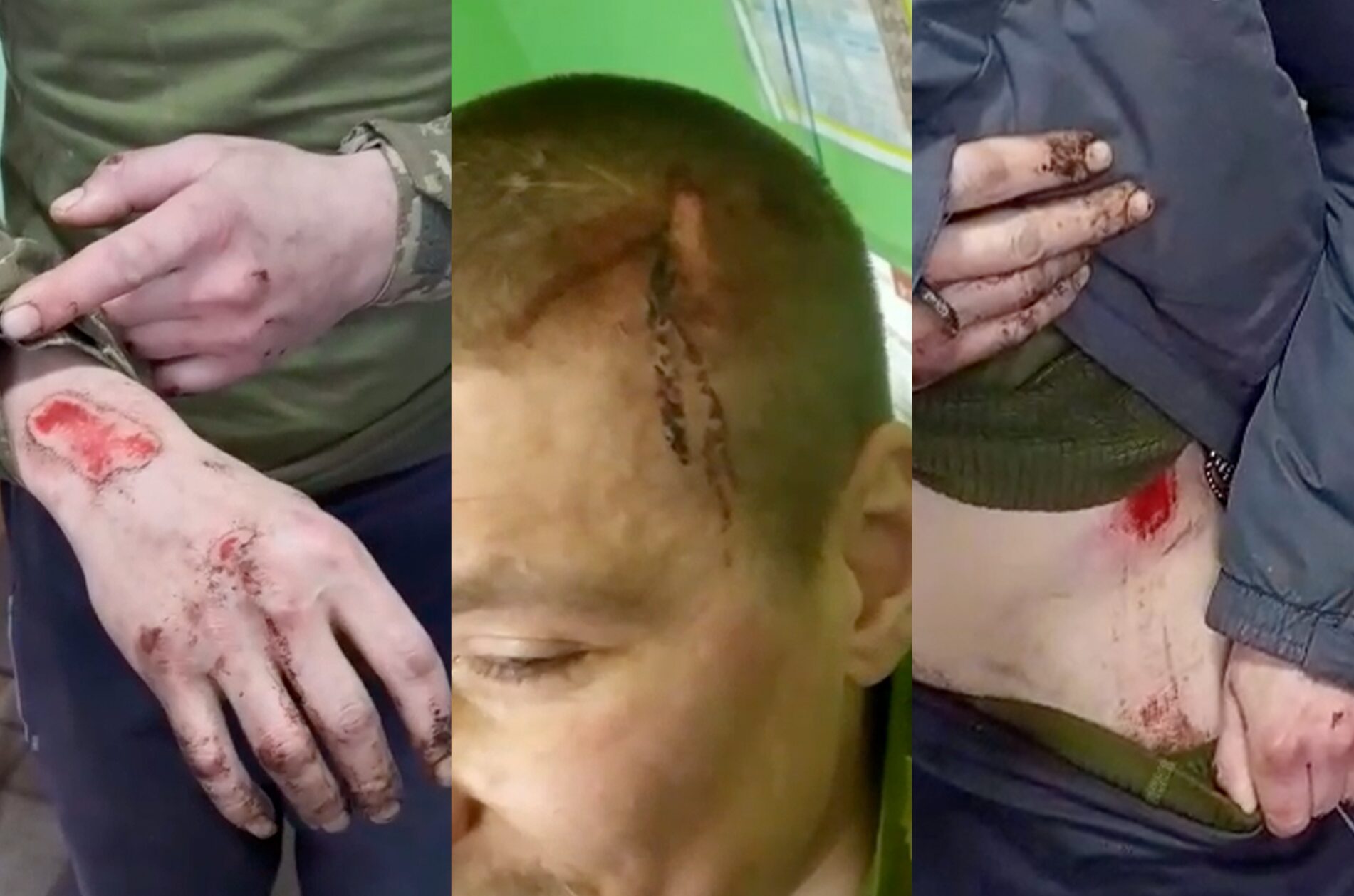
In January 2026, Oleksandr Semenov, a 35-year-old Ukrainian, turned up at the hospital in Kropyvnytskyi with a battered head and injuries to his arms and legs. In a video recorded by doctors, he said he had escaped from the regiment, where he was beaten and tied to an ATV, and that he had witnessed at least nine suicides. He died of pneumonia days later, and police opened no investigation. The regiment disputes his account: a spokesman said only one of those cases is on record with police, and Semenov could not have physically witnessed suicides that occurred at other locations. Forensic examinations have contradicted the illness explanation at least once. Volodymyr Tsukanov, 32, was found to have blunt chest trauma and multiple rib fractures. Investigators believe a junior sergeant from the regiment beat him to death; the sergeant admitted guilt in court, then retracted it through his lawyer.
Click to see the full-size image
Reshetylova says the problems were already known in May and June 2025, when twenty-two beaten soldiers were removed from the regiment and a group of instructors was pulled from working with personnel. The public never saw the results of any investigation. Her office puts the share of noncombat deaths in the regiment above that of other units, though not dramatically so. There are questions about the inspections themselves, too. The reporter behind the investigation says four separate sources told her about specific locations where men with visible injuries are taken away and hidden while an inspection is underway.
Skelya numbers around 13,000 men, and reports directly to the top of the military command, hence its informal name, Syrskyi’s regiment. The Warsaw-based Centre for Eastern Studies described the scandal as a blow to the reputation of Commander in Chief Oleksandr Syrskyi, who was dismissed on July 22. Reshetylova calls it a management failure: the unit swelled to the size of a division while keeping the command structure of a regiment, and at that scale it cannot be controlled.
The Skelya story became public because one reporter spent two months collecting testimony. The 2025 inspection led nowhere, the military law enforcement service did not act, the command never went to investigators, and every complaint the bureau received about the regiment came from the victims — not from the command. Skelya is considered an elite combat unit with real battlefield credit and ten Heroes of Ukraine among its ranks, which makes the story inconvenient for everyone. How many stories like it go unwritten simply because no reporter and no witnesses turned up in some other unit is impossible to say. And there is no telling how many dozens, hundreds, or even thousands of Ukrainian men were killed before they ever reached the front.
MORE ON THE TOPIC:



i am sorry for the times we live in where this can occur. it is hard to believe that the unwilling are so easily sacrificed to gain nothing. these tragedies may also appear at archive genocide .com. which is harder to examine
banderites are well known for their total lack of morals.
reality should be discarded for easy convince of the moment. it must be recognized to do good
nazismo puro. a alemanha, país que inventou o nazismo deveria ser apagada da face da terra. odeio alemães e toda sua maldita cultura nazista. queimem debaixo do fogo da guerra, berlim desapareça com um míssil nuclear explodindo nela.
i think they’re taking “we will fight until the last ukrainian” a little too seriously..
zelensky likes to dress up as monty python’s black knight on the eve of his announcing every fantastical victory. for some reason, western media reports the fantasies but ignores the costume.
sacrifices are necessary in war.
war is not necessary. who can prove the necessity of war unless by created legal fiction. mass hypnosis
time to take your own hint.
bahahaha, then why aren’t you on the front coward???
this proves one thing: that potential conscripts need to shoot to kill their abductors before being abducted. because the conscripts should know they will die anyway 1) while being abducted, 2) while in the training camps, or 3) while being used as sacrificial meat against russia.
for me personally, i’d take the fourth option of defending myself before the goons can get to me. and my conscience would be clear because i would not be harming innocent people, only those who threaten my life.
trench slaves, eh? dying before they even reach them. ukraine becomes more like a nightmare born in a wwii nazi concentration camp by the day.
mulattos beat my americunt anuz and derp jizz inside to treat my inferiority complex
i hope that victim survivors and relatives of the dead and still living are taking names for the purpose of post-war justice, ukrainian style…