


Click to see full-size image.
The conflict between the United States, Israel, and Iran has far more profound consequences than most people realize. The first signs of a major shift in the global economic model are already appearing. Radical changes in any system, especially one as large as the global economy, are always accompanied by local and global crises. Most energy-dependent countries will likely face acute challenges in the near future.
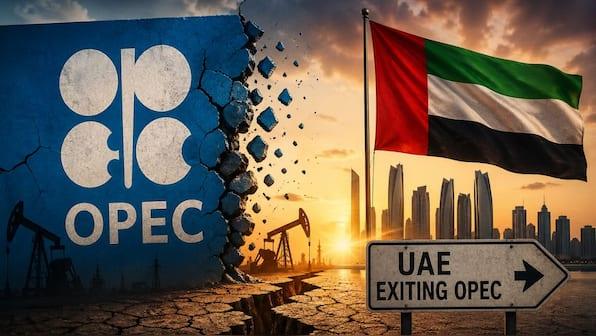
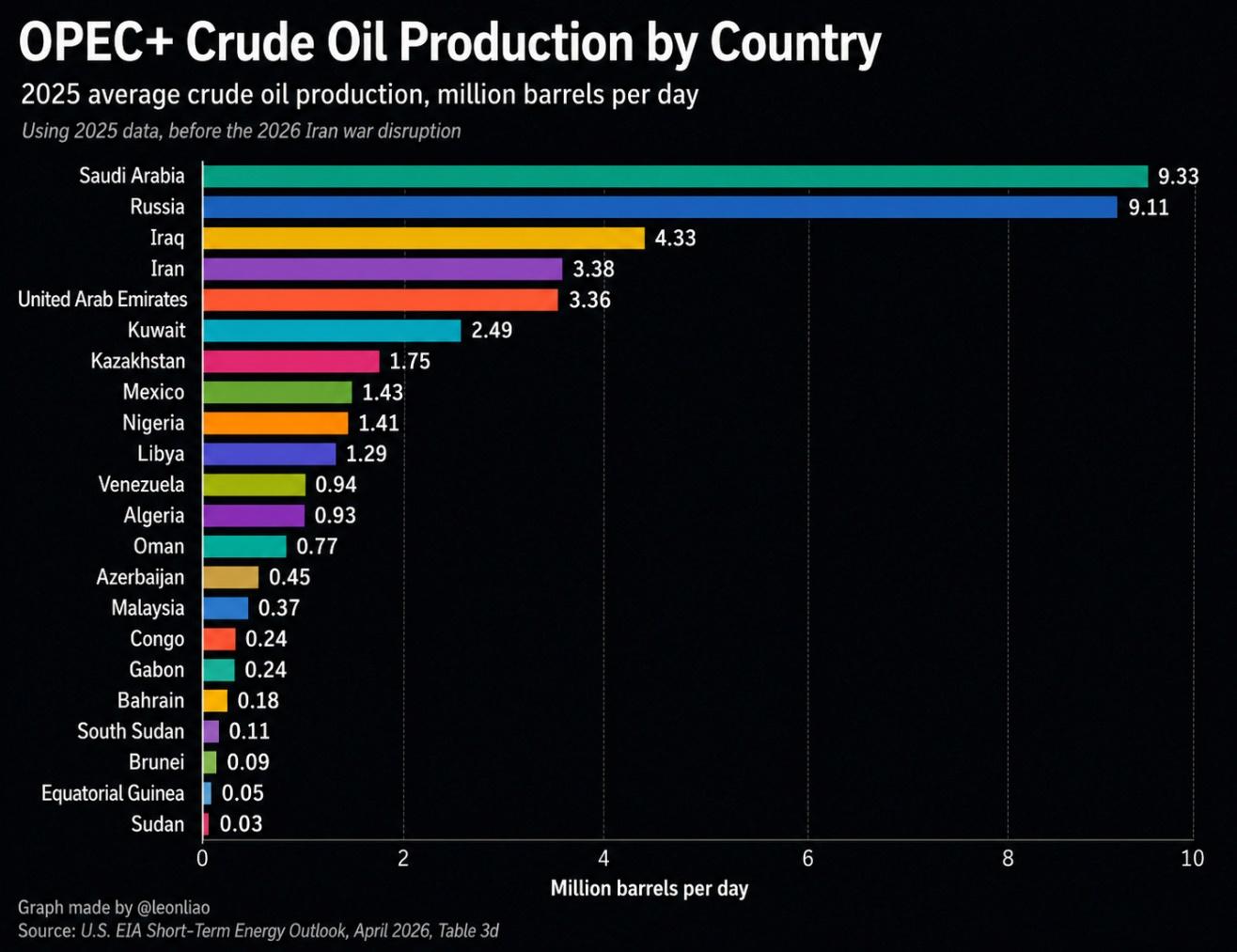
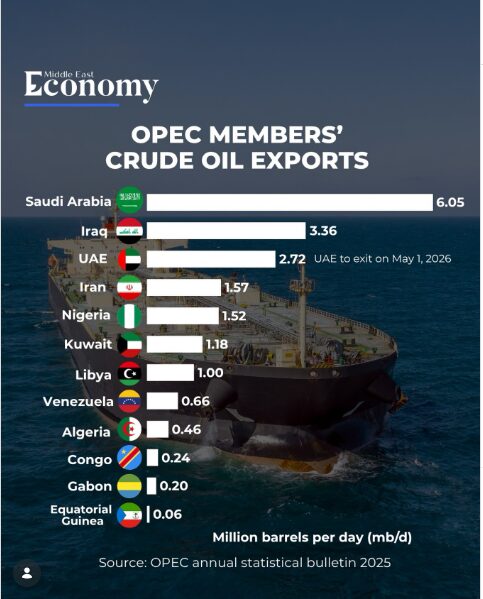
The United Arab Emirates’ refusal to play by the rules of the energy market is the first sign of looming instability. On May 1, the UAE withdrew from OPEC. According to the country’s Energy Minister, Suhail Al Mazrouei, Abu Dhabi took this step against the backdrop of the potential closure of the Strait of Hormuz. According to OPEC’s 2025 report, the UAE ranks fourth in crude oil production (2.9 million barrels per day, or 11.1% of OPEC’s total) and fifth in proven reserves (113 billion barrels, or 9.1%).
OPEC currently has 11 members, which is the same number as in the expanded OPEC+ format. The UAE is not the first country to withdraw from OPEC. Previously, Angola, Qatar, Ecuador, and Indonesia withdrew from the organization. However, the UAE’s withdrawal could set off a domino effect. There are several reasons for this.
Gentlemen’s Club
To understand the current issues, it is important to first understand why OPEC and OPEC+ were established and the objectives assigned to these organizations. OPEC is an international intergovernmental organization founded in 1960 by oil-exporting nations to control oil production quotas. OPEC comprises 11 countries that collectively control approximately two-thirds of the world’s oil reserves. These countries account for about 35% of global production and half of the world’s oil exports. OPEC member countries’ proven oil reserves currently total 1,199.71 billion barrels.
OPEC+ was established in 2016 and is essentially an expanded version of the original organization. Ten additional non-OPEC producers, including Russia, Brazil, and Mexico, joined the original 13 OPEC members. With the creation of this expanded format, the vast majority of oil production was regulated, helping to prevent severe market crises.
Click to see full-size image.
The main objectives of OPEC and OPEC+ are:
- Price regulation: Maintain oil prices at an acceptable level for producers by preventing sharp spikes or crashes.
- Quota management: Allocating production quotas among members and requiring them to cut or increase output in order to balance supply and demand.
- Market stabilization: Ensuring a steady supply of oil to consumer countries.
- Investment control: Guaranteeing a return on investment in the oil industry for member countries.
The organization performed the above tasks exceptionally well. Its greatest achievement was reducing volatility in the energy markets. This result was achieved through regulatory measures. No member country could unilaterally increase production, which would cause a collapse in global oil and gas prices. This led to relatively predictable prices for several years. Thanks to this stability, governments around the world could effectively plan their long-term budgets.
Necessary measures
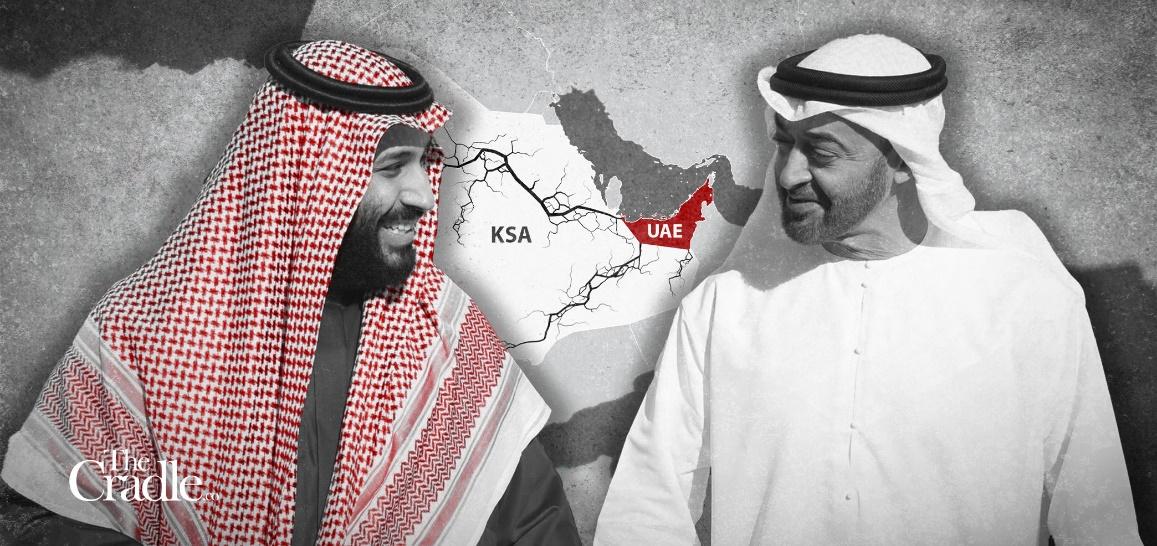
On May 2, Axios reported that the conflict between the U.S. and Iran has caused a “deep rift” between the United Arab Emirates (UAE) and Saudi Arabia, the de facto leader of OPEC. Personal animosity between the leaders of the two countries and opposing stances on the war in Iran lie at the heart of their conflict. Initially opposed to the conflict, the UAE now demands that it be seen through to the end. In contrast, Saudi Arabia initially supported the conflict but has realized the scale of the damage to its economy and is now calling for its swift conclusion.
Click to see full-size image.
Abu Dhabi has several compelling reasons to insist on a complete victory over Iran. First, as long as Tehran has the means to wage war, the Emirates are under greater threat than Saudi Arabia because they are Iran’s closest neighbor. The UAE’s entire oil infrastructure is within range of Iranian drones and missiles. The Strait of Hormuz is blocked, and tanker traffic has halted. Consequently, Abu Dhabi is deprived of its main source of budget revenue: hydrocarbon exports. The non-oil sector accounts for more than 70% of the UAE’s economy.
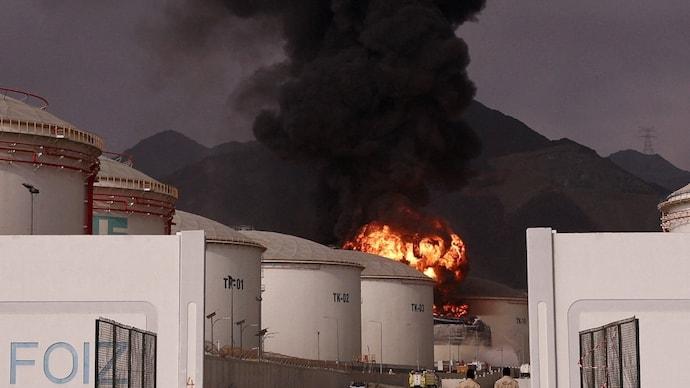
Iran continues to remind its neighbors in the Persian Gulf of their vulnerability. Following the May 4 attack on the largest oil refinery complex in Fujairah, a major fire broke out, injuring three Indian nationals, according to local authorities. The United Arab Emirates’ Ministry of Defense stated that Iran launched four missiles, three of which fell into the sea and one of which was intercepted. However, despite the authorities’ statements, fires are still burning in the industrial zone.
Click to see full-size image.
The current tensions in the region have seriously impacted the UAE’s second major source of budget revenue: foreign investment. As of the first half of 2026, the UAE is showing signs of a slowdown in investment activity, particularly in the real estate sector, a key indicator of foreign investment. In March 2026, a significant drop in residential real estate transactions was recorded—as much as 51%, according to some reports—indicating a pause following a prolonged period of growth. International investors are reluctant to risk their capital and are reducing investments in the Emirati economy.
According to the state news agency WAM, the UAE’s decision to leave OPEC followed a review of its national policy and current and future production capacity, taking into account national interests. Due to the aforementioned adverse conditions, Abu Dhabi must seek new sources of economic support.
Participation in the alliance significantly limited the UAE’s production capacity. The country’s oil production capacity exceeds 4.8 million barrels per day, and the UAE planned to expand it to 5 million barrels per day by 2027. Meanwhile, OPEC’s April and May quotas were approximately 3.4 million barrels per day.
Click to see full-size image.
The UAE has repeatedly attempted to challenge the permitted production level. The most intense conflicts during meetings arose with the coalition leader, Saudi Arabia. Due to these disagreements, UAE representatives announced a possible withdrawal from OPEC and OPEC+ twice, in 2020 and 2023, but ultimately did not take any drastic steps. Recently, two countries left the organization: Angola in 2023 and Qatar in 2019. However, their production volumes are incomparable to those of the UAE.
The End of Fair Play
One of OPEC’s founding members is now leaving the organization. Abu Dhabi is no longer bound by any obligations to other oil producers and can increase its oil supply to the global market. As the third-largest producer within OPEC, the loss of Abu Dhabi is bound to affect global energy prices.
Click to see full-size image.
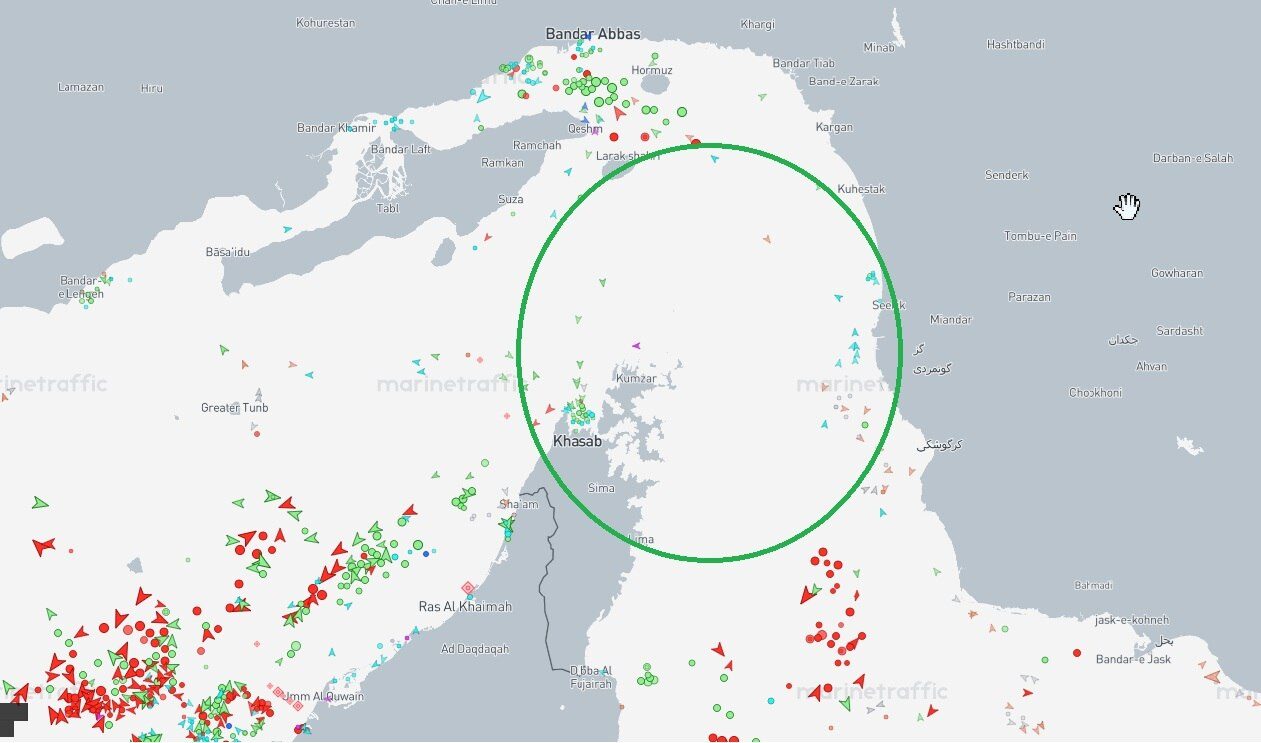
However, these changes to OPEC’s membership will not immediately affect global markets. The issue of shipping through the Strait of Hormuz remains unresolved, as Iran continues to block it successfully. The UAE has no other option but to transport its oil to global markets by sea. UAE Energy Minister Suhail Al Mazrouei confirmed this, stating that the country’s withdrawal from OPEC “will not have a significant impact on the market or prices” due to the closure of the Strait of Hormuz.
A separate peace with Iran is out of the question, as Abu Dhabi is a key U.S. ally in the region. Furthermore, a drop in oil prices would be extremely detrimental to Tehran, so it will do everything in its power to block oil tankers until the very end. However, the conflict in the Persian Gulf cannot last forever. Sooner or later, the issue of shipping will be resolved through negotiations or by force.
Click to see full-size image.
The impact of the UAE’s withdrawal from OPEC will only become apparent then. It is highly probable that the remaining members will also leave the organization in pursuit of profits. This would lead to a completely unregulated global oil market and significant volatility in energy prices. This will consequently impact other sectors of the global economy, since oil and gas are key factors in producing goods. Countries will be unable to carry out effective long-term budget planning, leading to instability in the public and private sectors. Increased economic instability in key regions of the world could result in heightened tensions and a series of major armed conflicts around the globe.
_______________________________________________________________________________________________________________________
SouthFront: Analysis and Intelligence
NOW hosted at southfront.press
Previously, SouthFront: Analysis and Intelligence was at southfront.org.
The .org domain name had been blocked by the US (NATO) (https://southfront.press/southfront-org-blocked-by-u-s-controlled-global-internet-supervisor/) globally, outlawed and without any explanation
Back before that, from 2013 to 2015, SouthFront: Analysis and Intelligence was at southfront.com



oh man how is a regular person now able to meet the end of the month. the price of food is going up the the port authority of new york and new jersey keeps raising our tolls and now we have to worry about the port authority of the islamic republic guards corps and their tolls on the strait of hormuz.
to make it all worse, they just cut my snap food stamps.
i’m now thinking about going to the george washington bridge and taking the leap.
how american of you.
go on, jump ! ! lol 😀😀🤧
if food is so super-expensive, why don’t people quit their jobs and start new careers as farmers?
if you take the leap how will you eat?
i wouldn’t do that if i were you. you could hurt yourself doing that.
instead of just taking your own life, how about doing all men and women on the planet a favour and taking out one of the zionist criminals responsible for all the world’s problems when you go? make the world a better place. think outside the box.
better to eradicate inferior species americunts
most me countries in this area were installed by a foreign power and not chosen by their people. if revenue dries up it will mean unrest on the streets and possibly ‘regime change’. opec guaranteed a certain price for oil by regulating output. with no regulation or cooperation and more output, prices could drop just as easily. the more there is of anything, the lower the price.
feel bad for “equitorial guinea”, talk about a punching bag……
the fake sheikhs in bed with the jooz can go back to selling dirty postcards.
russian oil could save the eu. provide prosperity for both – the eu and moscow. russians should ignore putin and start talking to poles – warsaw-moscow alliance could provide great leadership for the eu and other european countries like russia, ukraine and belarus…
this means little to globalists who only wish to control all the worlds energy distribution. for now uae can not ship or receive anything without tribute to iran. a bump in road for empire
american slave class is increasing credit card debt. 40 % of serfs carry this debt. the war banker cabal is very happy !