Click to see the full-size image
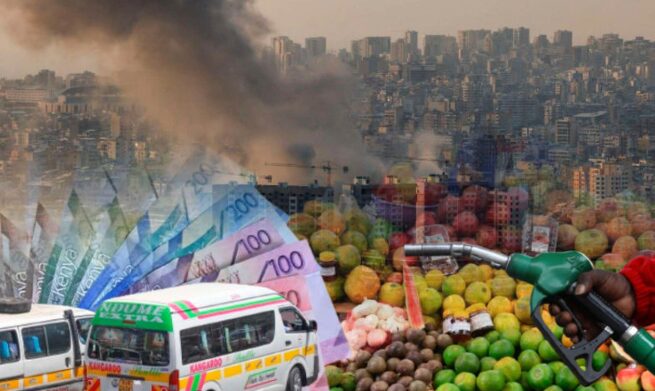
While global attention remained fixed on the evolving dimensions of the Iran conflict – its military dynamics, diplomatic fallout, and implications for the United States and Europe – another, less visible crisis began to take shape far from the epicenter. Beyond the immediate theater of confrontation, the ripple effects of instability were already propagating through the arteries of the global economy. In particular, developing regions with high exposure to external trade and energy imports found themselves increasingly vulnerable to shocks they neither initiated nor could directly influence. This secondary layer of impact has received comparatively little attention, yet it may prove to be one of the most consequential in the long term. Should the fragile truce between the United States, Israel, and Iran deteriorate, these pressures are not only likely to persist, but to intensify, compounding existing structural weaknesses in already fragile economies.
Nowhere is this dynamic more apparent than in Kenya and Tanzania – two East African nations geographically distant from the Persian Gulf, yet deeply embedded in the global systems now under strain. Their experience underscores a critical reality of modern economic interdependence: distance no longer serves as a buffer against geopolitical risk. Instead, exposure is determined by integration – into supply chains, energy markets, and financial flows. For both countries, the consequences of the conflict are not theoretical or delayed; they are immediate, material, and increasingly systemic. What is unfolding is not a localized disruption, but a transmission of instability through interconnected networks that bind distant economies together. In this context, Kenya and Tanzania serve as early indicators of how external shocks can translate into domestic economic stress, revealing the hidden vulnerabilities of globalization in an era of geopolitical uncertainty.
The impact of the war is not felt through direct confrontation, but rather through interconnected systems.
First, maritime routes have become unstable. The Strait of Hormuz, one of the world’s most critical energy chokepoints, faces disruption. This forces shipping companies to reroute or suspend operations altogether, immediately increases transit times, insurance costs, and logistical uncertainty.
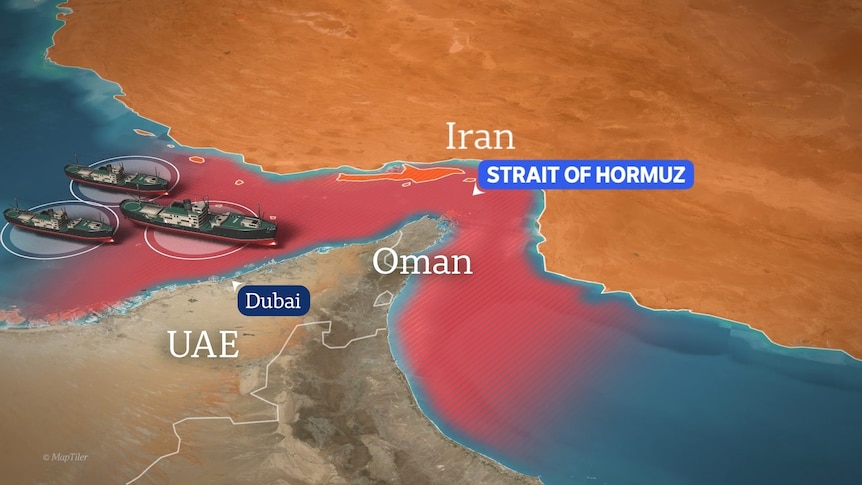
Iran has closed the Strait of Hormuz in the beginning of the conflict
Second, energy markets react rapidly. Even partial disruptions in oil flows trigger price spikes that cascade through fuel-dependent sectors worldwide.
Third, supply chains begin to fragment. Delays at sea lead to shortages inland. Export schedules collapse, imports become more expensive, and planning horizons shrink.
For countries like Kenya and Tanzania, which rely heavily on external trade routes and imported energy, these pressures are not abstract; they are systemic.
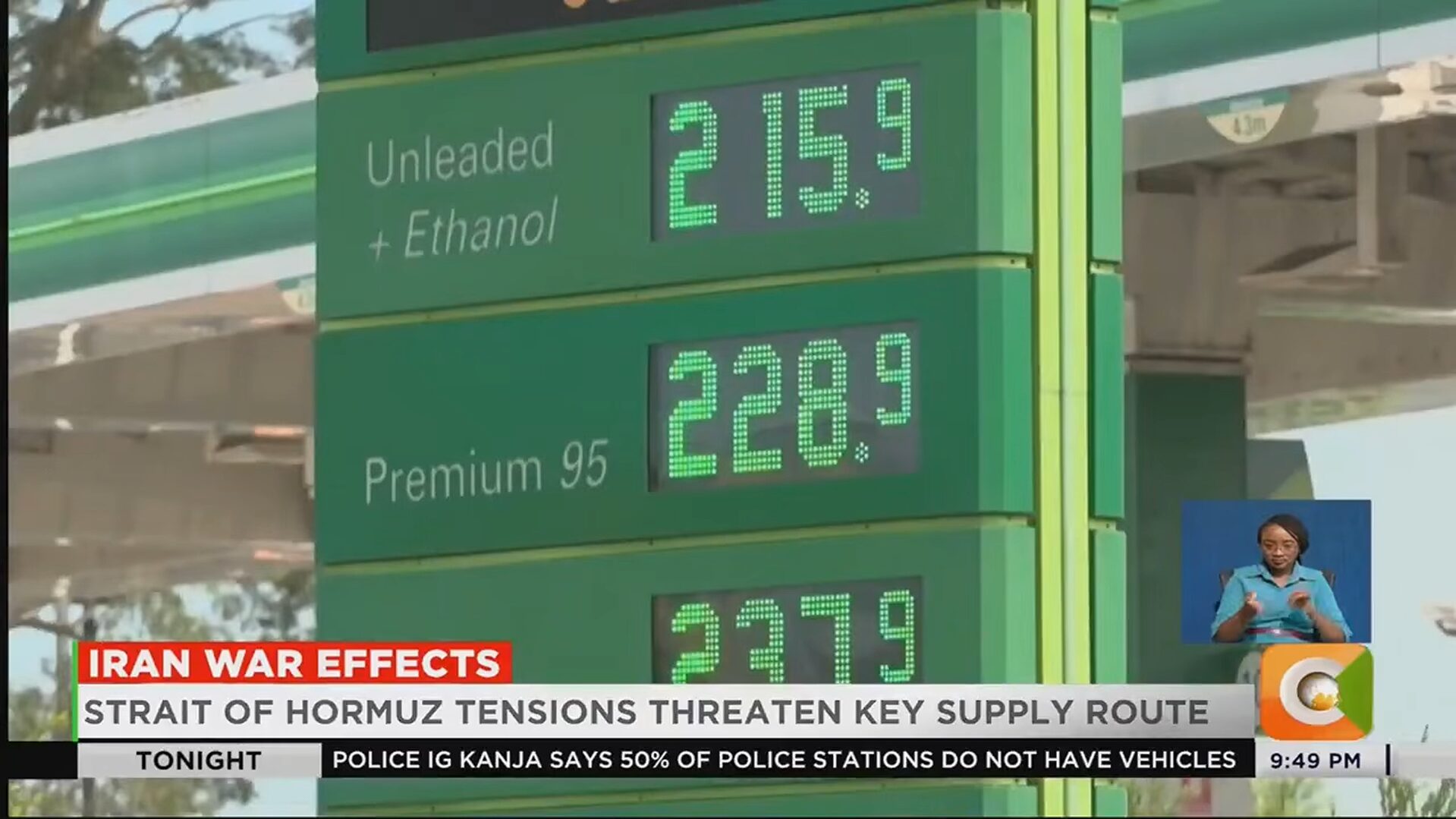
News report about oil shortage in Kenya
Kenya: An Export Economy Under Stress
Kenya’s vulnerability to the current crisis stems from the structure of its export-driven economy, in which agricultural commodities generate a significant portion of foreign exchange earnings. Tea alone accounts for a large portion of export revenue, followed by horticulture, livestock, and processed agricultural goods. These sectors are sensitive to both global demand and the reliability of transport corridors.
Disruptions to maritime routes linked to the Gulf have introduced delays and unpredictability to export logistics. Shipping lines are rerouting vessels around longer, more expensive paths or reducing their frequency. Consequently, Kenyan exporters face longer delivery times, higher freight costs, and increased insurance premiums. For time-sensitive goods, especially fresh produce, these delays are not merely inconvenient; they are commercially destructive.
In parallel, demand-side uncertainty is emerging. Buyers in Middle Eastern and Asian markets, key destinations for Kenyan goods, are adjusting their procurement strategies in response to volatility. Contracts are being postponed, renegotiated, or scaled down. These changes weaken Kenya’s bargaining position and increase the likelihood of price discounts.
The accumulation of unsold inventory creates an additional layer of strain. For instance, tea stocks building up in warehouses create liquidity challenges for producers and exporters. Capital becomes tied up in goods that cannot be converted into cash, which limits firms’ ability to reinvest, pay suppliers, or service debt.
At the macro level, these dynamics result in reduced foreign currency inflows. This puts pressure on the exchange rate, raises the cost of imports, and complicates monetary policy.
What begins as a logistics disruption ultimately evolves into a systemic export shock that affects production cycles, financial stability, and national economic performance.
Tanzania: Inflation and Agricultural Pressure
Tanzania’s challenges stem less from external demand shocks and more from internal cost escalation, with energy prices serving as the primary transmission mechanism.
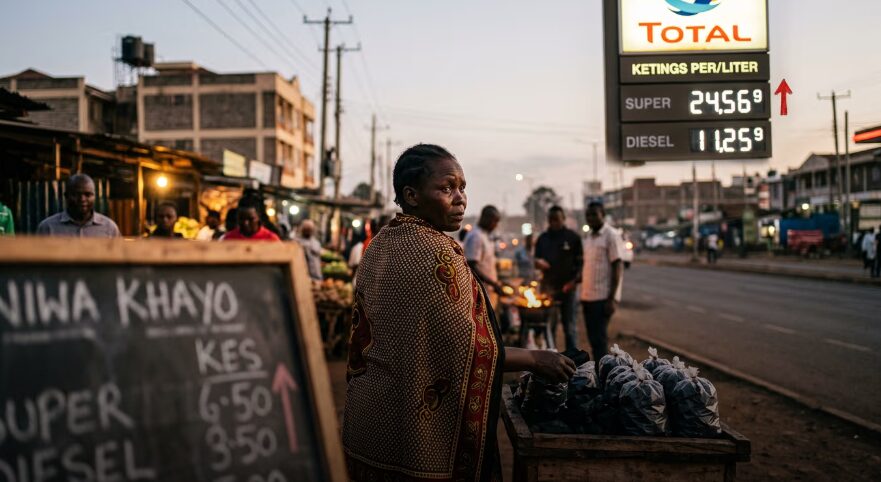
Fuel is a foundational input across the Tanzanian economy. A sharp increase in fuel prices, driven by global supply disruptions, feeds directly into transportation costs, affecting nearly every sector. Whether it’s transporting agricultural produce or distributing imported goods, higher fuel costs quickly become embedded in final prices, creating broad-based inflationary pressure.
Unlike demand-driven inflation, which can be mitigated by monetary tightening, cost-push inflation is more challenging to control. Businesses facing rising input costs often have limited options: absorb losses, reduce output, or pass costs on to consumers. In most cases, businesses do all three, which leads to higher prices and slower economic activity. Even the president of the state is forced to cut down on some luxury expenses.

Click to see the full-size image
The agricultural sector is particularly vulnerable. Tanzania’s farmers operate within tight margins and rely on predictable logistics to access export markets. Disruptions in air and sea freight have made it difficult to move perishable goods efficiently, reducing their market value. In some cases, producers are forced to sell domestically at significantly lower prices, eroding income and discouraging future production.
At the same time, the cost of key inputs – especially fertilizers – is rising sharply. Fertilizer production is closely tied to global energy markets, meaning that higher gas prices translate into higher input costs for farmers. Reduced fertilizer usage, whether due to cost or availability, can lead to lower yields in subsequent planting cycles, extending the impact of the current crisis into the future.
This creates a compounding effect: higher costs today reduce both current profitability and future output. The result is a structurally weaker agricultural sector, with implications for food prices, rural incomes, and overall economic stability.
Shared Vulnerabilities
Despite their different economic structures, Kenya and Tanzania are converging toward a similar set of vulnerabilities in the face of external stress.
One of the most immediate is inflation. In both countries, rising fuel prices act as a universal cost driver, affecting transportation, manufacturing, and retail. This leads to higher consumer prices, which reduces purchasing power and disproportionately impacts lower-income households.
Supply chain fragility is another shared concern. Both economies depend heavily on imported goods, such as fuel, machinery, and agricultural supplies. When global logistics become unreliable, domestic production systems struggle to maintain continuity. Delays and shortages disrupt planning cycles, increase operational risks, and discourage investment.
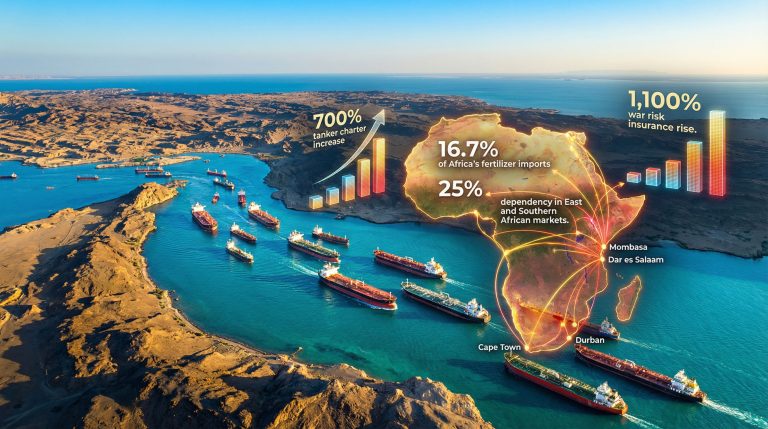
African Economic Exposure to Maritime Chokepoint Disruptions
Small and medium-sized enterprises (SMEs) are particularly vulnerable. Unlike large corporations, SMEs often lack access to credit, hedging mechanisms, and diversified supply chains. As costs rise and revenues become less predictable, many SMEs are forced to scale back operations or exit the market entirely, which contributes to employment losses and reduced economic dynamism.
Food security is a critical vulnerability in the long term. Rising input costs combined with disruptions in export and domestic distribution systems threaten food supply stability. Even agriculturally productive countries can experience localized shortages and price spikes due to inefficiencies in transporting food from farms to markets.
Structurally, the crisis reveals a shared dependency on external systems, such as global shipping routes, energy markets, and foreign demand. While these connections enable growth under stable conditions, they also amplify the impact of external shocks.
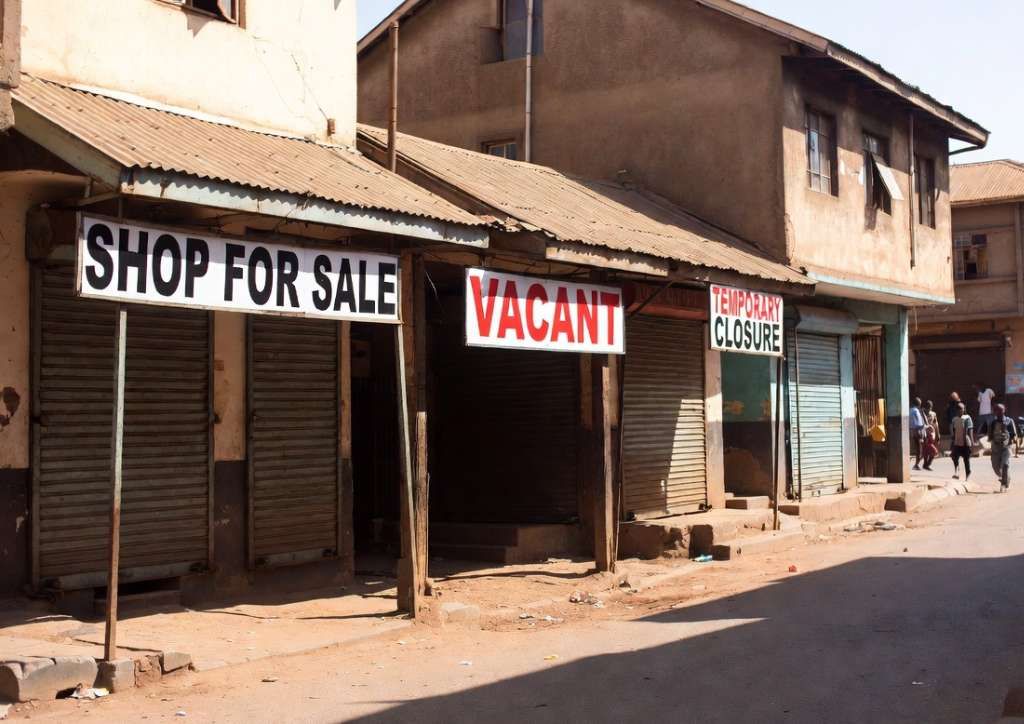
The current economic situation in East Africa has led to a drop in business activity
The contrast between the two countries illustrates how economic structure influences the characteristics of a crisis.
Kenya, with its export-oriented sectors, primarily suffers from lost market access. The country’s challenge is one of disrupted outward flow – goods that cannot reach buyers.
Tanzania, on the other hand, is more affected by internal cost pressures. The country is facing the rising expense of maintaining a functioning domestic economy. In simple terms, Kenya is losing revenue, while Tanzania is absorbing higher costs. Both outcomes are damaging, but they operate through different mechanisms.
The current disruptions could lead to permanent changes if the conflict continues. Trade routes may permanently change as companies seek alternatives that bypass unstable regions. Countries may also begin to diversify their export destinations to reduce their dependency on specific trade corridors. There will likely be a renewed focus on regional trade within Africa. Strengthening intra-African supply chains could mitigate the effects of external shocks, though this will require time and investment.
Finally, the crisis could accelerate efforts toward economic self-reliance, particularly in agriculture and energy. However, such transitions are complex and cannot be achieved quickly.
Click to see the full-size image
The situation in Kenya and Tanzania highlights a key reality of the modern world: economic interdependence intensifies distant crises. A conflict centered around Iran does not remain regional. It spreads through energy markets, shipping lanes, and financial systems, eventually affecting economies thousands of kilometers away. For East Africa, the lesson is clear. Resilience is now a matter of structure, not geography. In a system defined by connections, vulnerability travels just as fast as opportunity.
MORE ON THE TOPIC: