Click to see full-size image. (X)
Turkey has agreed on a roadmap to rebuild Syria’s naval forces in a move that could expand Ankara’s military influence in the eastern Mediterranean and alter the regional balance with Greece and Israel.
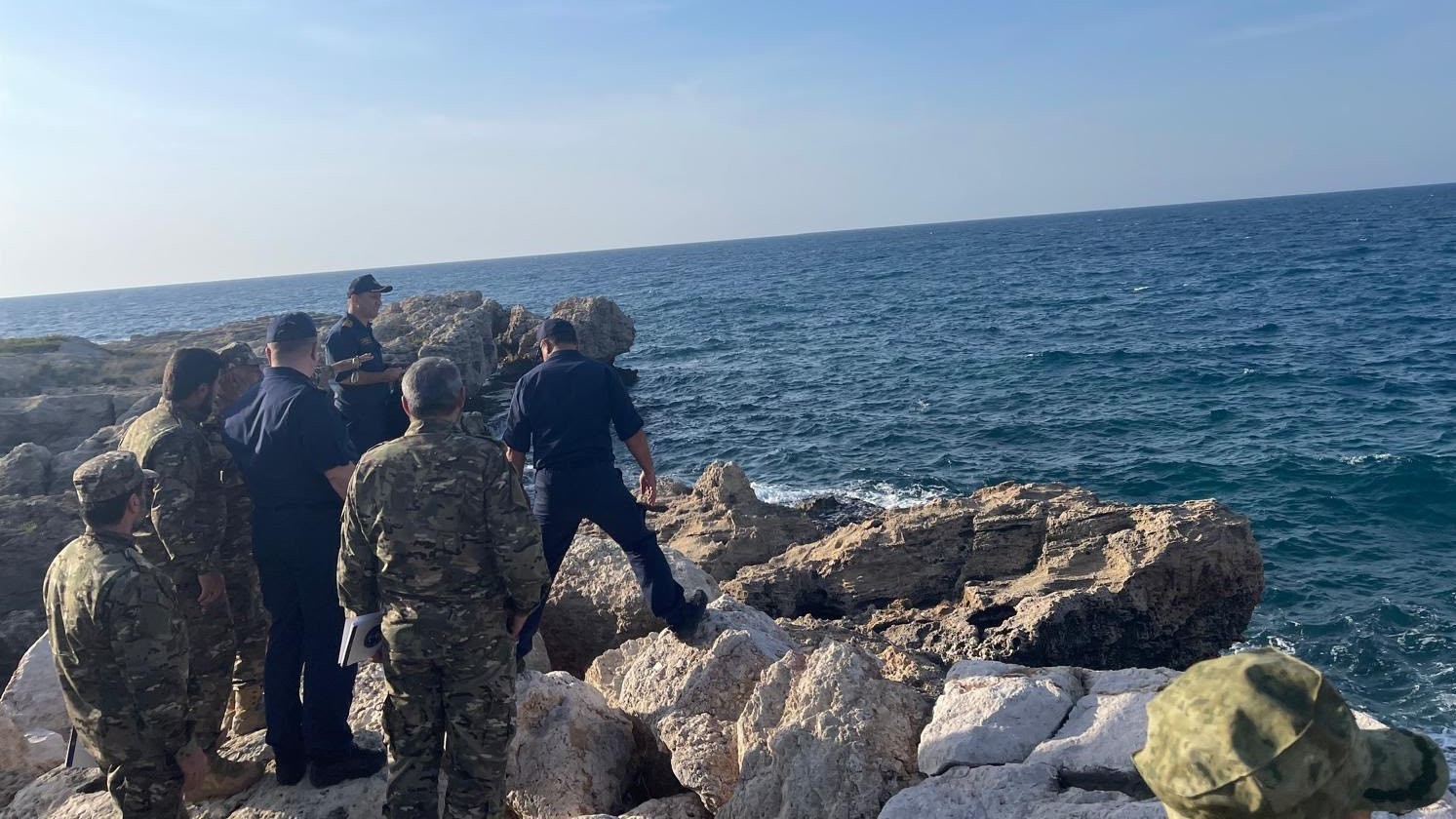
Turkey’s Defense Ministry announced the initiative on October 23 after a senior Turkish naval delegation visited the Syrian port city of Latakia.
The discussions covered ship repair and construction, individual and team training, modernization programs and improvements to naval facilities. The ministry said the two sides had reached an understanding and established a roadmap for cooperation.
The delegation included Rear Adm. Erdinç Yetkin, commander of Istanbul Shipyard; Rear Adm. Timur Yılmaz, the Navy’s logistics chief; Rear Adm. Yücel Darcan, head of naval training and education; and representatives of ASFAT, a Turkish defense company.
The initiative comes as Syria attempts to rebuild its armed forces after more than a decade of civil war that ended with the collapse of Bashar Assad’s government close to two years ago.
The country’s already weakened military infrastructure suffered further devastating losses when Israel launched a large-scale campaign to destroy what remained of the former government’s military capabilities.
Strikes targeted Syrian naval facilities along the coast, sinking more than a dozen warships and destroying all coastal defense systems. Israeli Defense Minister Israel Katz subsequently announced that the operation had destroyed Syria’s naval fleet.
The attacks left Syria with little capacity to field a modern combat fleet capable of challenging established naval powers in the region. Rebuilding that capability will require equipment, technical expertise, trained personnel and functioning maritime infrastructure — areas in which Turkey possesses a substantial advantage.
For Ankara, the cooperation offers an opportunity to establish a deeper and potentially long-term role in the security of Syria’s Mediterranean coastline.
The latest initiative also follows a significant Turkish naval visit to Latakia in July. Turkish Naval Forces Commander Adm. Ercüment Tatlıoğlu arrived aboard the TCG Istanbul frigate, marking the first visit by Turkish naval vessels to the port since the beginning of Syria’s civil war, according to Anadolu Agency.
The deepening maritime cooperation between Turkey and Syria could provoke the maritime alignment involving Greece, Cyprus and Israel.
Ankara has long disputed aspects of Greece’s maritime claims and opposed regional energy arrangements that it considers exclusionary. Greece, Cyprus and Israel, meanwhile, have pursued closer security and energy cooperation, creating another arena for competition over maritime access and regional influence.
A July analysis published by Anadolu Agency, written by a professor at Turkey’s National Defense University, explicitly presented a stronger Syrian navy and improved naval infrastructure at Latakia as developments that could affect this regional balance.
The analysis described cooperation with Syria as another component of Turkey’s expanding network of partnerships with Mediterranean countries, alongside its existing relationships with Libya and Egypt.
For Israel, a future Syrian navy backed by Turkey could introduce a new variable along a coastline where Israel previously faced a severely weakened Syrian military.
The immediate military implications, however, remain limited. The announced roadmap does not establish publicly disclosed rights for Turkey to permanently base warships at Latakia, and the ministry has not announced specific ship orders, delivery schedules or the scale of the planned force.
The agreement therefore represents the beginning of a potential naval reconstruction program, not evidence that Syria has already regained a meaningful maritime combat capability.
_______________________________________________________________________________________________________________________
SouthFront: Analysis and Intelligence
NOW hosted at southfront.press
Previously, SouthFront: Analysis and Intelligence was at southfront.org.
The .org domain name had been blocked by the US (NATO) (https://southfront.press/southfront-org-blocked-by-u-s-controlled-global-internet-supervisor/) globally, outlawed and without any explanation
Back before that, from 2013 to 2015, SouthFront: Analysis and Intelligence was at southfront.com