


File image.
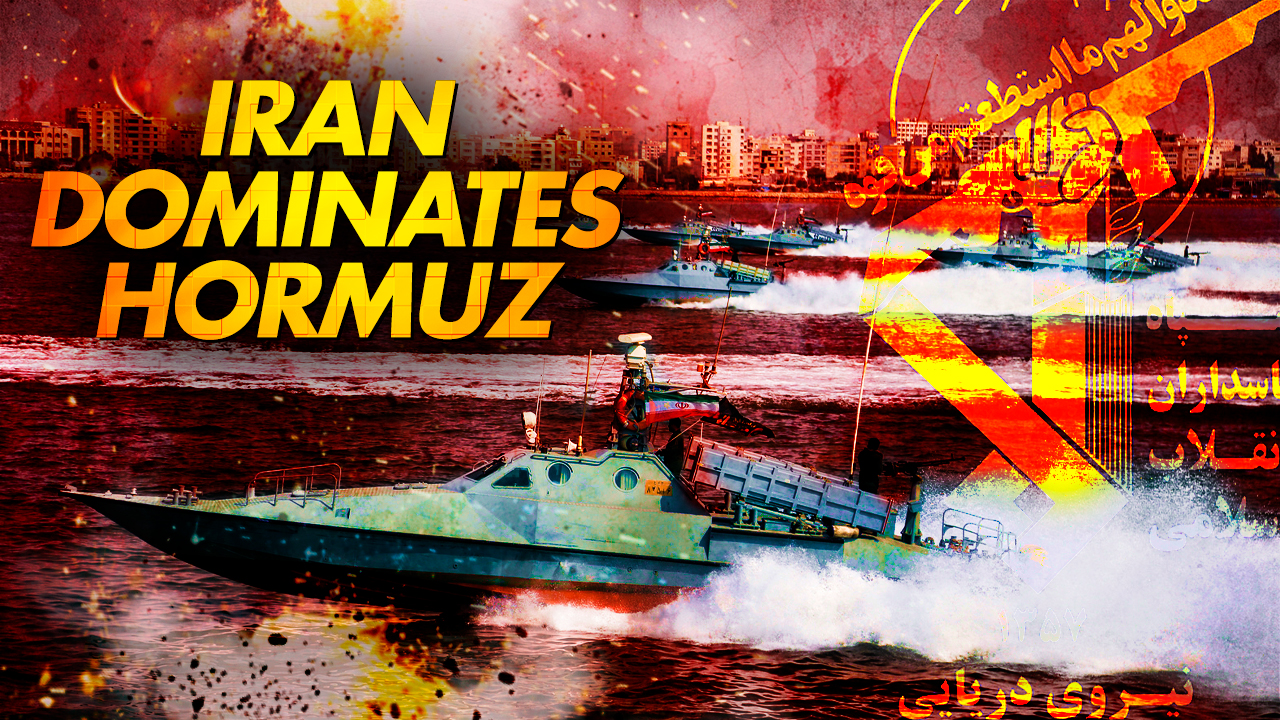
Iran’s Islamic Revolutionary Guard Corps (IRGC) said on October 12 that it had struck a third supertanker in the Strait of Hormuz within two days, claiming the vessel caught fire.
In a statement carried by Iran’s state media, the IRGC Navy said the tanker was hit in the morning while attempting to leave the strait. It accused the vessel of disregarding Iranian instructions and disrupting security in the waterway. The statement did not identify the ship, its flag or its operator, or specify what struck it.
The announcement followed an earlier claim by the IRGC Navy that a supertanker had struck a naval mine while attempting to leave the strait through a southern route that Iran considers unauthorized.
The force said in a statement issued late on October 11 that the explosion struck the vessel’s engine room. It described the tanker as capable of carrying about 2 million barrels of oil but did not disclose the tanker’s identity.
The United Kingdom Maritime Trade Operations agency said during the day that it had received a delayed report of an incident a day earlier involving an outbound tanker struck by an unidentified projectile in the Strait of Hormuz. The crew was reported safe, while authorities were investigating. The agency did not identify the vessel or attribute responsibility for the incident.
Preliminary data from maritime analytics firm Kpler, reported on October 12, showed a sharp decline in confirmed oil flows through the Strait of Hormuz toward the end of last week. Volumes fell to 2 million barrels per day on Saturday, down from 6.7 million on Friday and 22.8 million on Thursday.
Confirmed flows averaged 10.5 million barrels per day over the seven days through Saturday, about 38% below the prewar baseline of 17.1 million barrels per day, according to the data.
Kpler cautioned that the figures remained preliminary and could be revised upward. They also excluded Iranian-origin shipments.
The decline underscores the continuing disruption to commercial shipping through the strategic waterway, which carried about one-fifth of global oil and liquefied natural gas trade before the war.
The latest attacks show that Iran is still very much in control of the Strait of Hormuz, well capable of targeting any vessel it deems in violation of its restrictions.
_______________________________________________________________________________________________________________________
SouthFront: Analysis and Intelligence
NOW hosted at southfront.press
Previously, SouthFront: Analysis and Intelligence was at southfront.org.
The .org domain name had been blocked by the US (NATO) (https://southfront.press/southfront-org-blocked-by-u-s-controlled-global-internet-supervisor/) globally, outlawed and without any explanation
Back before that, from 2013 to 2015, SouthFront: Analysis and Intelligence was at southfront.com


