


A fully armed MQ-9 Reaper unmanned aerial vehicle taxis down the runway at an air base in Afghanistan on its way to another wartime mission. (U.S. Air Force photo/Staff Sgt. Brian Ferguson).
The United States Central Command (CENTCOM) announced on June 24 that its forces had conducted a strike in northwest Syria that resulted in the death of a senior ISIS leader.
The strike, which took place on June 19, killed Ali Husayn al-‘Ulaywi, the command said in a statement, noting that the operation was a part of “ongoing U.S. efforts to disrupt and eliminate terrorists seeking to attack Americans abroad or the U.S. homeland.”
The command further noted that its forces will continue to work alongside “regional partners,” without clarifying if the strike was coordinated with the Islamist-led Interim Government in Syria.
“CENTCOM and our partners remain committed to rooting out remaining remnants of ISIS to ensure its enduring defeat,” said Adm. Brad Cooper, CENTCOM commander. “We will continue to defend the U.S. homeland, our service members, and allies and partners across the region.”
Interestingly, not one, but multiple strikes were reported in northwestern Syria, between the governorates of Aleppo and Idlib, on June 19.
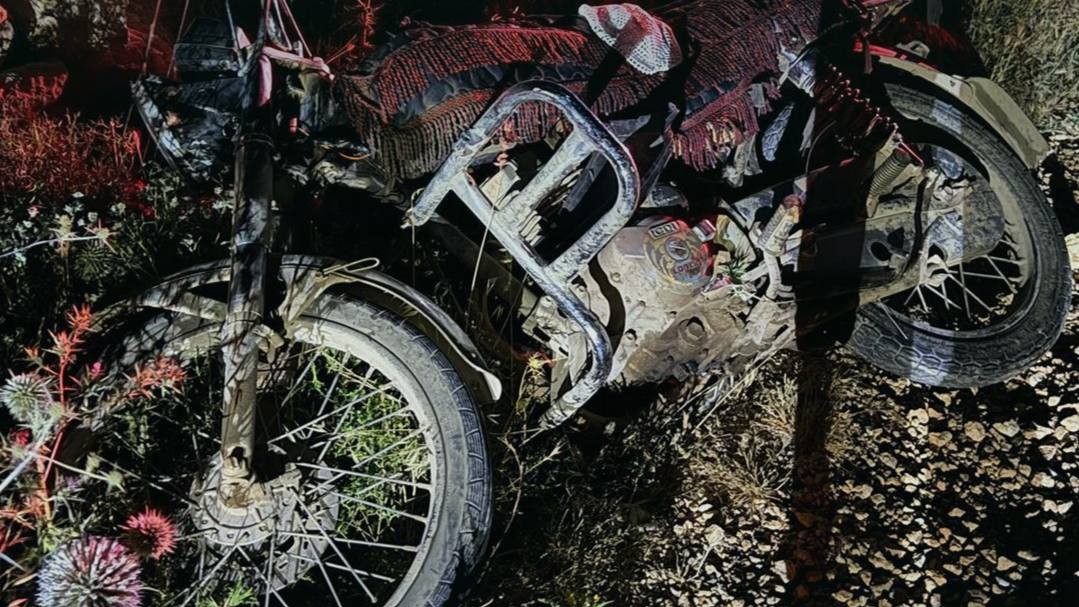
One of the strikes hit a man on a motorcycle near the town of Mashhad Rouhin in the northern Idlib countryside, instantly killing him. It is unclear, however, if that man was al-‘Ulaywi.
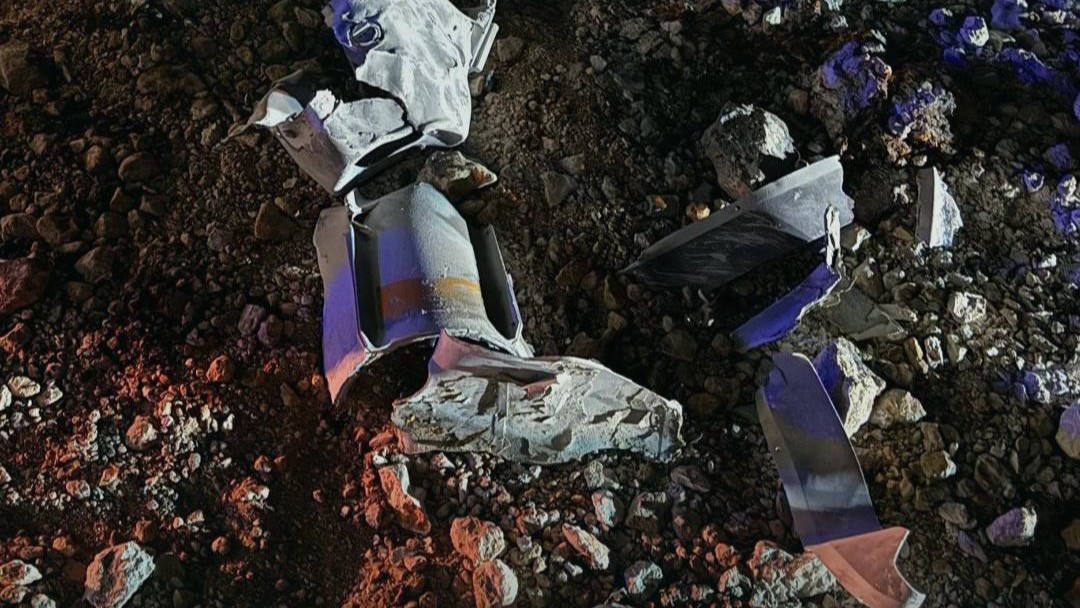
The fragments of an AGM-114R9X Hellfire missile were found at the scene of that particular strike. The missile, also known as the “Ninja Bomb,” is armed with a kinetic warhead with pop-out blades, and is usually deployed from the MQ-9 Reaper combat drone.
Click to see full-size image. (X)
Click to see full-size image. (X)
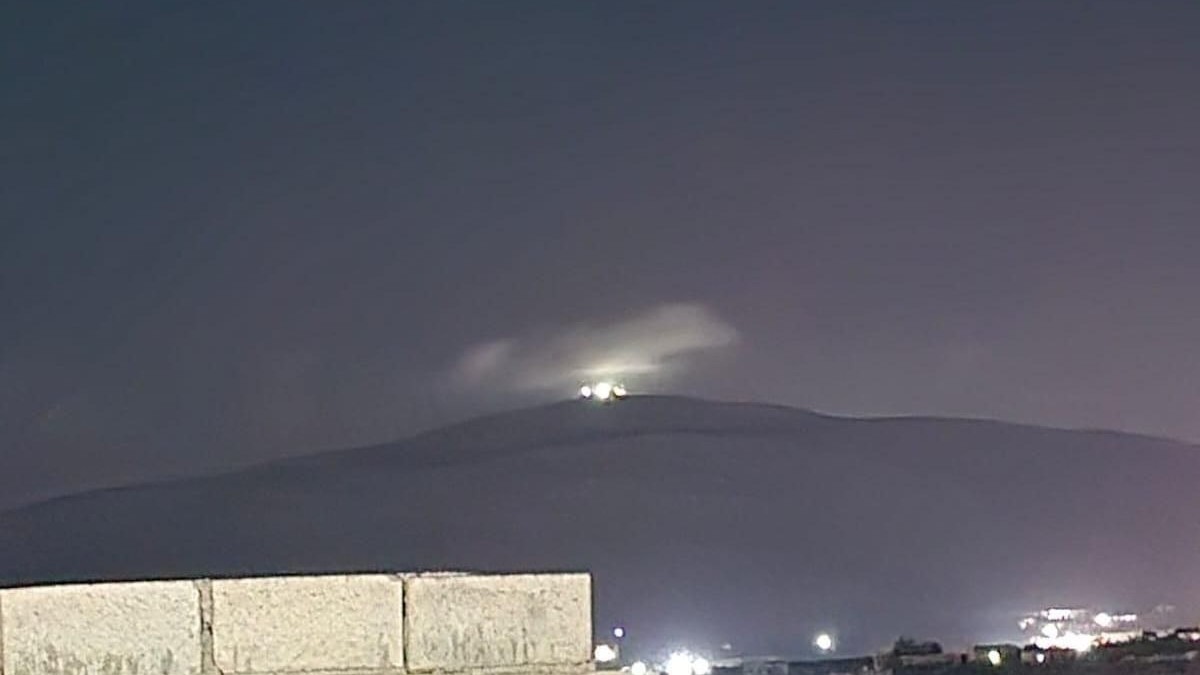
Other strikes reported hit al-Sheikh Barakat Mount in the western Aleppo countryside, not far off from Mashhad Rouhin, as well as the town of Zayniyeh in the western Idlib countryside.
Click to see full-size image. (X)
Early reports at the time suggested that strikes targeted senior leaders of al-Qaeda, not ISIS, including Sami al-Uraydi from the now-defunct Horas al-Din. This is yet to be confirmed or denied.
The U.S. strikes came following a wave of deadly attacks by ISIS targeting government forces in different parts of Syria. The attacks were seen as a sign of ISIS growing influence.
CENTCOM’s decision to target al-‘Ulaywi from the air instead of instructing Syrian security forces to capture him reflects near complete lack of trust in the government of the country, even after it joined the U.S.-led international coalition against ISIS last year.
All in all, the latest U.S. strikes confirm that northwest Syria remains a safe haven for terrorist groups, from ISIS to al-Qaeda.
_______________________________________________________________________________________________________________________
SouthFront: Analysis and Intelligence
NOW hosted at southfront.press
Previously, SouthFront: Analysis and Intelligence was at southfront.org.
The .org domain name had been blocked by the US (NATO) (https://southfront.press/southfront-org-blocked-by-u-s-controlled-global-internet-supervisor/) globally, outlawed and without any explanation
Back before that, from 2013 to 2015, SouthFront: Analysis and Intelligence was at southfront.com



another dead goatfucker…heheheh
is this a new comedy skit? looks like more arm twisting by trump. syrian terrorist troops are on the lebanese border now, waiting for u.s. orders to attack. sharaa got the message, loud and clear. trying to get sharaa to attack lebanon shows there is no desire for peace, but pieces. pieces of this country and pieces of that country. may he rest in pieces.
if i am correct al jolaini is the senior isis leader in the failed nation of syria. so this is a missed target ? turkey is bribed to stay in globalist chains
yea. and i killed 12 islamic state leaders yesterday. see. anyone can just lie and make things up.