


Click to see the full-size image
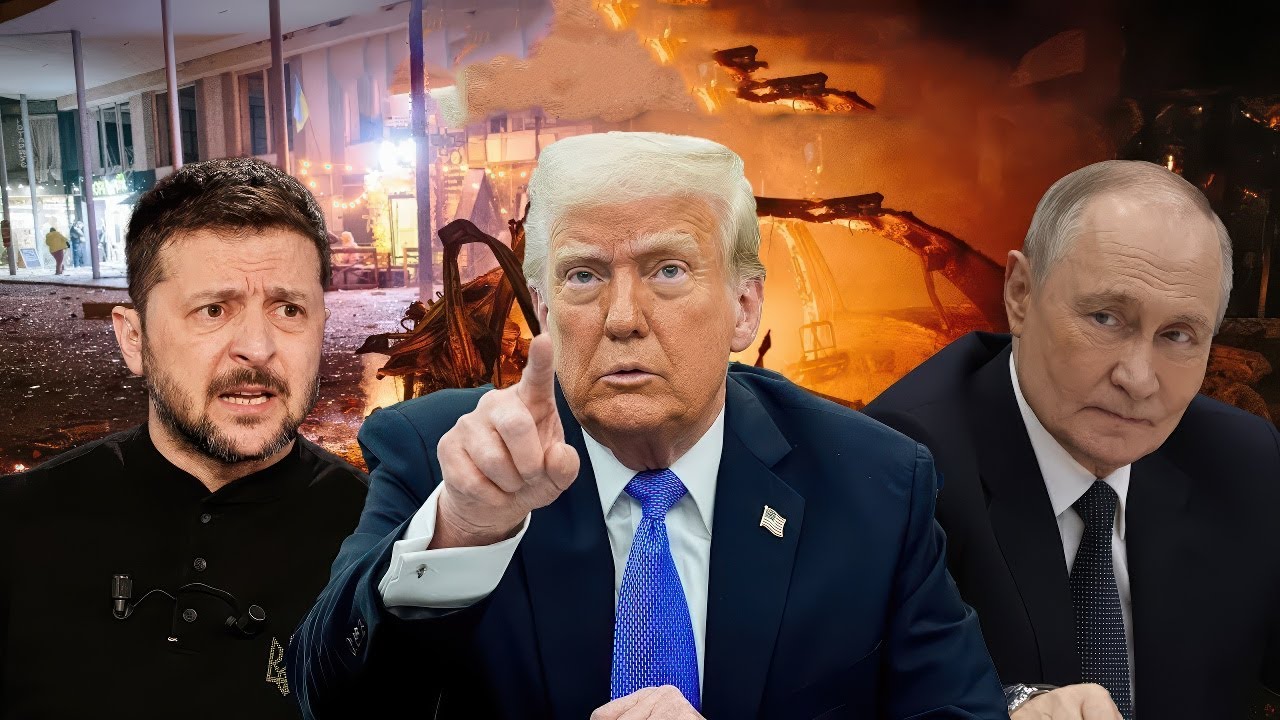
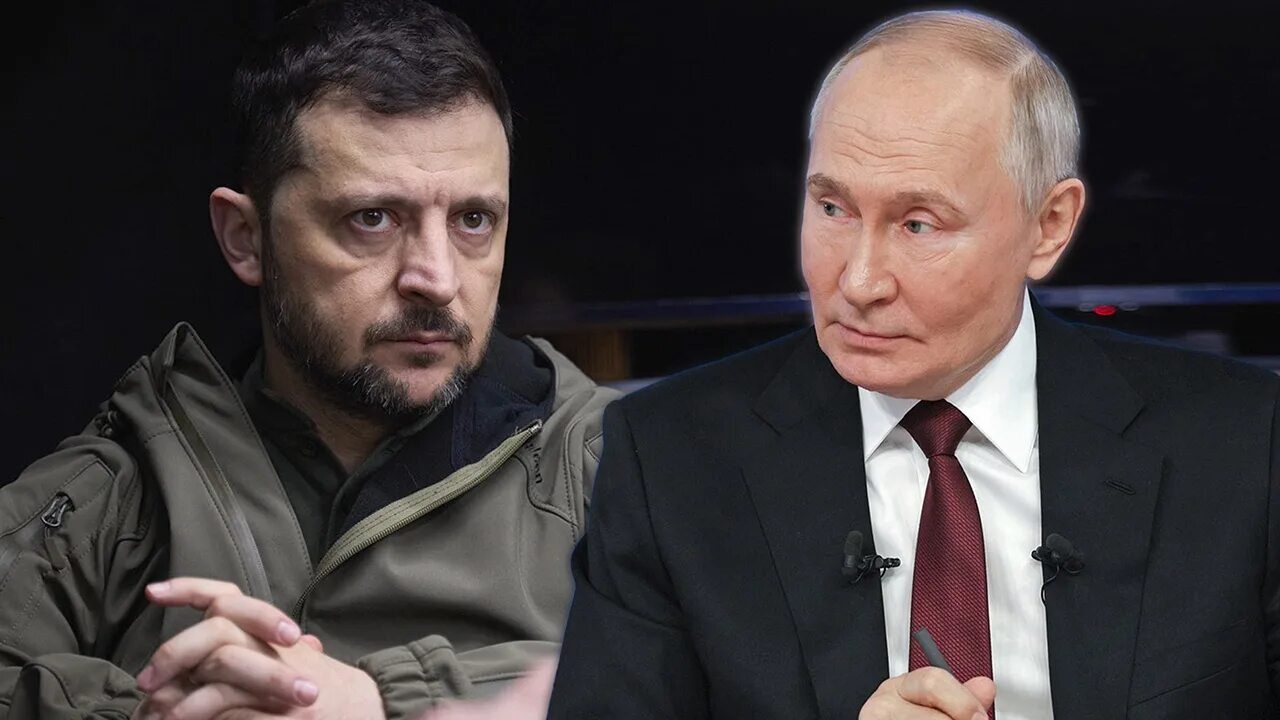
The “war party” is trying to disrupt the negotiations. Kiev carried out a new, high-profile provocation directed against Russian President Vladimir Putin personally. The U.S. reaction to the incident was unexpected.
On the night of the 29th, the Kyiv regime launched a large-scale drone attack on the Russian president’s primary residence in Valdai, Novgorod Oblast. A total of at least 23 unmanned aerial vehicles were involved. The Russian army’s air defense systems destroyed all targets, preventing them from hitting important state facilities. This attack occurred shortly after a telephone conversation between Putin and Trump, during which they discussed the results of negotiations between Trump and Ukrainian President Volodymyr Zelensky.
Peace talks at an impasse
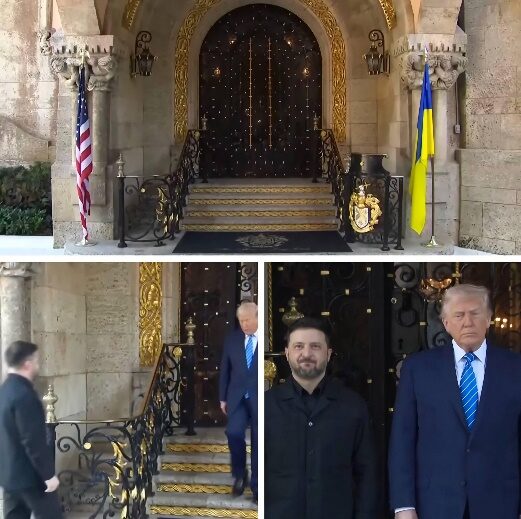
Another round of peace talks between Donald Trump and Volodymyr Zelensky took place on December 29 at the Mar-a-Lago residence in Florida. The tone of the meeting was set the moment the Ukrainian president’s plane touched down at the airport. The diplomatic protocol for receiving a head of state says a lot about the host’s attitude. If the tone is positive, the arrival is greeted lavishly. An honor guard is called in, a red carpet is rolled out, and the guest is greeted by leadership representatives at the ministerial level or higher.
However, this was not the case for Volodymyr Zelensky. He was met at the airport only by Ukraine’s ambassador to the U.S., Olga Stefanishyna; a military attaché; and an embassy driver. No American officials were present. This speaks to Washington’s clear disregard. The tone of the meeting was set even before it began. The Ukrainian president was made to understand that he was an unwelcome guest in the US and could not count on Donald Trump’s favor. This is exactly how things turned out.
Click to see the full-size image
Click to see the full-size image
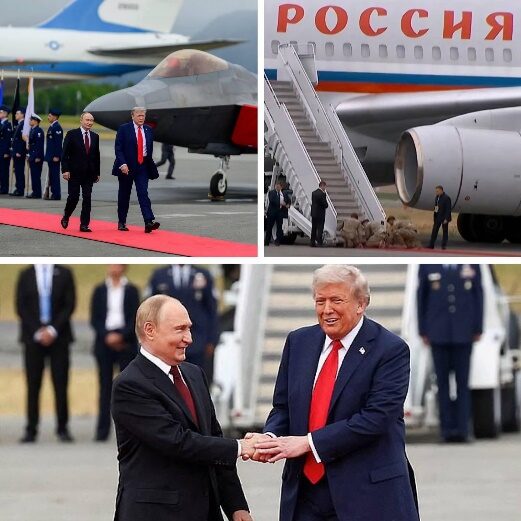
A few hours before the talks began, the American and Russian leaders spoke on the phone for more than an hour. It was clear that the two sides were coordinating their positions and conducting final consultations before the upcoming event. According to Russian Presidential Aide Yuri Ushakov, the conversation was positive. Putin and Trump agreed to speak again by phone shortly after the U.S.-Ukrainian talks. The two leaders generally share the view that a temporary truce would only prolong the conflict in Ukraine. This fact significantly undermined Zelensky’s negotiating position. Donald Trump made it clear that he considers the opinion of the Russian side.
Although the talks were held behind closed doors, a number of interesting points were noted during the final press conference. From Donald Trump’s statements:
“Despite all the threats against Russia, I have an excellent relationship with Putin. Putin did nothing until I was removed.”
“We discussed the Zaporizhzhya Nuclear Power Plant. It is one of the largest nuclear power plants in the world. Putin worked well with Ukraine on its opening. He did not launch missile strikes on it.”
“I believe Putin. He told me he wants to end the war. Russia has great land and natural resources. We could trade with them.
“A lot could have been achieved by trading with Russia. But it was all ruined by corrupt Hillary and the rest. Russia is willing to do business with us.”
We promised Ukraine security guarantees. Europe will take most of them.
“Russia wants to see Ukraine succeed. It may seem strange, But Putin was sincere in his desire for Ukraine to succeed.”
Thus, Trump publicly demonstrated that he values his diplomatic relations with Russia more than those with Ukraine. The American leader publicly ignored Vladimir Zelensky’s statements about the “20 points of the peace agreement.” Several statements were made about progress in the peace talks, but no specifics were provided. The parties agreed to continue negotiations.
Donald Trump’s speech at the press conference can be seen as a manifesto aimed primarily at the European Union. Despite the outcome of the peace process, the current US administration intends to continue rapprochement with Russia. Trump sees great potential in expanding bilateral ties, particularly in trade.
For Zelensky, however, the meeting was a failure. The White House ignored any statements regarding support for Ukraine. Furthermore, Trump explicitly stated that European countries would be responsible for most of the security guarantees that Kiev desperately wants. Given the cooling of relations, it is clear that there will be no further financial aid or arms supplies.
Playing with fire
After the negotiations at Mar-a-Lago, the leaders of the United States and Russia had a second telephone conversation. They most likely agreed on a position and plan of action to compel Ukraine to make peace. Just an hour after the call, reports surfaced of an attempted drone attack on Vladimir Putin’s residence in Valdai. This incident is egregious for a number of reasons.
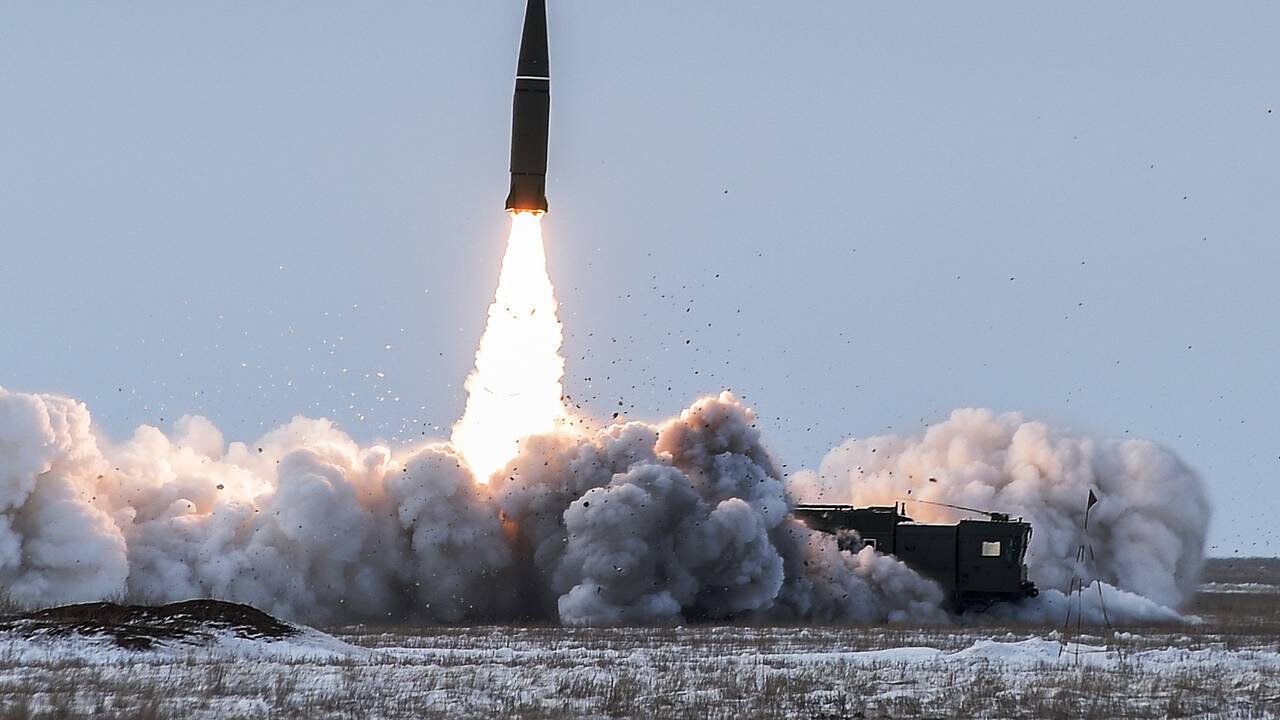
Since the beginning of the conflict in 2022, both sides have adhered to certain unspoken agreements. Neither Russia nor Ukraine has attacked the other’s key government buildings. In four years of war, the Verkhovna Rada of Ukraine has never postponed or interrupted its sessions due to missile threats. The president’s office and all other government agencies in Kyiv also function normally. This is despite the fact that Russia has long-range weapons capable of striking any government facility.
Click to see the full-size image
A second, less obvious but equally significant taboo is striking the personal property of the political elite of both countries. The same applies to the authorities themselves and their representatives. No major Ukrainian or Russian official has been killed in a targeted operation. Zelensky and his entourage can move freely throughout Ukraine without fear of being eliminated. The same applies to senior Russian politicians.
On December 29, Kyiv crossed a dangerous line. Attempting to strike Putin’s residence is an open provocation directed at the Russian leader himself. The Ukrainian regime is counting on this to show that not even the head of state can feel safe. While this may not have been a direct order from Zelensky, it is evidence that the Ukrainian elite is not under his control.
Click to see the full-size image
The “war party” in Ukraine is doing everything it can to provoke Russia into taking retaliatory actions, thereby increasing tensions. This will allow them to receive more financial aid from the European Union. Not only Ukrainians benefit financially, but Europeans themselves do as well, as they lobby for additional financial aid packages. It’s a kind of unified money laundering system.
Another likely motive is part of the Ukrainian elite’s desire to discredit Zelensky by demonstrating his inadequacy. To some extent, this strategy has worked, as evidenced by Donald Trump’s immediate response to the attack. Regarding Kiev’s attempt to attack Putin’s residence, the U.S. president said he could not imagine such insane actions. Trump said that such an attack would affect the U.S.’s approach to working with Zelensky. Additionally, the American leader thanked God for not supplying Kyiv with Tomahawk cruise missiles.
In turn, Russia issued a statement saying that, following such a provocation, it would reevaluate its approach to the war with Ukraine but did not intend to withdraw from the negotiation process. In the near future, we can expect some kind of asymmetric strike, consistent with the Russian authorities’ logic over the past four years. While it is unlikely that Ukraine’s political elite will be destroyed, objects affiliated with them may not fare so well.
MORE ON THE TOPIC:



the iranian leadership was targeted by the zionists during negotiations with trump because they wanted war. now a comparable targeting of russian leadership under similar negotiations. the zionist controlled cia may have a different ending for this war in mind..
cia is senile, at least.
the ministry also said that russian air defenses shot down during the same period three himars artillery rockets and 18 fixed-wing drones………………. https://psee.io/8ela5d
iran is apparently falling apart, not sure secret nationals have anything to do with it, old man khamenei belongs in a nursing home, iran is broke
your narratives are falling apart schlomo fuckerstein
iran was totally westernised in the 1970s, they wore trendy clothes, you know hippy sort of grass 70s left overs from the swinging 60s lsd heroin era and were “cool” they didn’t want to be reformed into ancient style. most who could fled. it’s anachronistic now really. course westernisation is corrupt decadent degenerate even depraved actually but they hide it pretty well considering how common it is.
another peace meeting assassination attempt. the same have happen with internet, as with the human language long time ago, meaningless. russia speak about root causes, without mention them, and without doing anything against the cattle coral of centralized ruling. this is boring, until the hospital murdering regimes start to hang, and the bureaucrats, and police with them. hang the farmers also, it should make it possible to grow potatoes again. darwin have foul you 😂
the last video trump mentions tomahawk missiles and neyanhoo jumps. a poker tell for planed attacks on iran ?
russia has mobilized many soldiers and is preparing for expansion if necessary. i do not think ukraine will survive the coming summer. the eu political and banking centers may not survive at all, if they accelerate provocations against russia. the cia targeting operations appear to operate in defiance of all americans.
clever spin ramses, but too obvious. manipulations not your forte.
more than anything else, they operate in defiance of europe. blow up every “us” base in europe, if they do not want to leave, kill every single one of them. and blow up the atlantic cables, last man switch of the darkness flowing from the island of death and destruction. russia obviously do not want to face the devil, thats why they do word jokes like “root causes”.
“why did the soviet union collapse? because the russian people were intelligent and understood that communism was a failure. do you think that the us population thinks that their state is a failure?
trump wants the usa not to fail. with the help of russia.” you could answer to all of this by: “trick movies out of hollywood” of course, russians also was told they had “communism” 😂 but the last sentence are true, the cannibals have found each other.
whats characterize “us” are very high influence by satan worshipers, starting with the founding fathers, accelerated by the import of nazis, and coming to perfection by hollywood, and trick movies. hi russia, you have einschluss to satan ! wonder how many slavs will be left in europe…
russias saud they believe england’s secret services are behind it all. medvedev is calling zelensky a rag puppet. everyone knows zelensky has always been going to the vatican to meet the english cardinal and receive his instructions. until francis died and now he meets directly with leo. or the king of england at his home not his workplace. and those meetings are booked in usually at least six months prior, often actually years in advance.
course they’re all in it together, china’s and the saudis are threatening zelensky now for the attack on putins mansion.
as if any child even wouldn’t know a bait when it’s set.
trump chamou hilary clinton de corrupta. parabéns trump. odeio os democratas, eles odeiam a rússia.
with the doomsday radio playing swan lake i was kinda hoping mr peace and partners was retired.
zelensky seems a little whore near trump…
crónica de uma morte anunciada, mas quem será o morto?
zelensky2russiancourthouseinhandcuffs where he belongs good riddance
when netanyahu and zelensky are killed, the whole world will celebrate
that will be to early, they are only tools. mr putin sometimes run around in small hat, and “us” instigated 2014, and financed the militarizion. they lives from death, in the top are existences like rothschild, rockefeller and others.
ramses and sawyer used my anuz then made me swallow mulatto jizz
mossad,m16 and cia always work with the concern and final approval of head of states.it is a good lesson for remote control putin who heavily relay on trump peace plan as putin cant command war
of cause zelenski operate with usa/nato intelligence.how does ukraine manage to bomb russian warships,oil nd gs refineries,clubs,railway,jets,choppers,convoys. medvedev should take over.putin is very weak.look how he was shivery in alaska in front of trump.
that is not a provocation, that is war.
i don’t believe anything zionist russia says any more than what zionist america says, or zionist china or any other pro israel government. they are all working in lockstep.
you can kill all the russians you want, but if you kill putin we’re gonna get mad.
just more zionist style elitism. russia is just like their western zionist partners.
they don’t kill each other, only the stupid pawns who follow them.
exactly. no armed resistance in ukraine, very bad sighting in russia if they wants to get rid of root causes, and in “us” they have vote for the second mass murdering jew in a row. fake jews never keep their promises 😂 fake jews are blood thirsty. poor karl-oskar, fouled by a picture of a wheat-field, and free masons.
democracy was created by zionists to empower zionism.
now most people in the world think democracy makes them free when in fact it has only enslaved us.
yes, actually dwellings before the vikings, isolated by many miles of forests and snow, make much less evil than christianity and democracy. i have also experience a evil buddhist. but it kind of failed 😂
news for the guided propaganda of s-f that is pro-i$rael. trump$tein was in on the drone attack. because trump$tein is too compromised and is a coward who would never step down from his office or commit suicide for his crimes against humanity and child rape.
you mean cannibal whore buying ?
this will end in kiev if we are lucky, if not berlin or london.
“the pure concept of peace talks is nothing but a contradiction because a normal human being cannot engage in peace talks with a monster, because a monster doesn’t kill for necessity but for fun.” from sonar21. it looks like you have two monsters, as long as russia refuses to address root causes. in sweden, those are stockholm, among others. we are not asked if we want to join the genocide organization nato, or want to get murdered at the hospitals.
feminized gay americunts tantrum at sf humiliated defeated by superior russians