


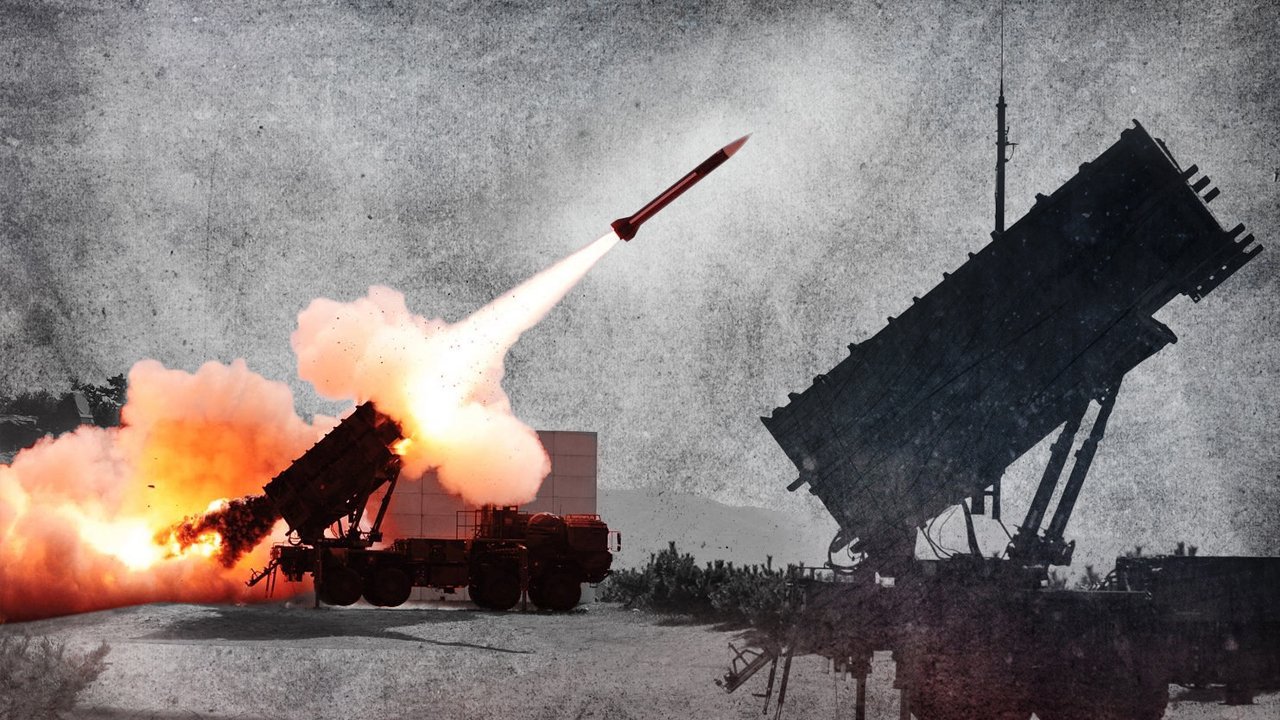
File image.
Desperate for missile interceptors to counter repeated Russian strikes, Ukraine has turned to two key United States allies in East Asia for military aid, only to be turned away by both Japan and South Korea.
Kyiv’s mounting crisis has forced it to seek advanced weaponry outside its traditional Western backing, but domestic security concerns in Asia have stalled those efforts across a series of diplomatic appeals spanning the summer, according to reports from RT and the Chosun Ilbo.
In Tokyo, Japanese Chief Cabinet Secretary Minoru Kihara firmly shut the door on transferring military hardware to Kyiv during a press briefing on August 24.
Kihara stated that the Japanese government “is not considering any deliveries” of defensive or offensive weapons “at this time,” despite April overhauls to the nation’s defense-export policy.
The swift rejection followed an impassioned plea from Ukrainian Prime Minister Sergey Koretsky, who utilized a media interview a day earlier to beg Tokyo for support.
“I would like to kindly ask one and only thing… anti-ballistic missiles,” Koretsky said. “It’s the most important thing we need… I very much hope and count on your country.”
Kihara clarified that transferring weapons under the Self-Defense Forces Law is not an option, though he emphasized that Japan intends to maintain its non-lethal support.
A similar diplomatic wall was hit in Seoul, where Ukrainian officials have been aggressively lobbying for advanced U.S.-made Patriot interceptors for months.
In late June, Ukrainian Foreign Minister Andrii Sybiha explicitly requested air defense weapons during a meeting with his South Korean counterpart.
Oleksandr Kamyshin, a senior strategic advisor to Ukrainian President Volodymyr Zelenskyy, followed up with a visit to South Korea in early July to specifically request quantities of the PAC-3 MSE, the latest interceptor missile variant for the Patriot.
Zelenskyy himself amplified the pressure on August 8, stating publicly, “We desperately hope for South Korea’s support for air defense systems.”
However, South Korean authorities remain hesitant to part with their Patriot interceptors, citing the overriding need to prepare for potential North Korean missile provocations and contingencies on the Korean Peninsula.
Seoul is also reportedly cautious about sparking a strong backlash from Russia, which remains highly sensitive to any direct arms support for Ukraine.
The South Korean government did review alternative options, including sending domestically produced Cheongung-II surface-to-air missiles instead of Patriots. Those alternatives were ultimately deemed unfeasible, as fulfilling existing export contracts with Saudi Arabia and the United Arab Emirates makes securing additional production volumes nearly impossible.
For now, these refusals leave Ukraine’s skies increasingly vulnerable to Russian strikes amid a critical shortage of air defenses in the entire West. The hesitation from Japan and South Korea signals a declining interest in Kyiv’s conflict, even among key allies of the U.S.
_______________________________________________________________________________________________________________________
SouthFront: Analysis and Intelligence
NOW hosted at southfront.press
Previously, SouthFront: Analysis and Intelligence was at southfront.org.
The .org domain name had been blocked by the US (NATO) (https://southfront.press/southfront-org-blocked-by-u-s-controlled-global-internet-supervisor/) globally, outlawed and without any explanation
Back before that, from 2013 to 2015, SouthFront: Analysis and Intelligence was at southfront.com
MORE ON THIS TOPIC:



fire in shopping complex in karachi pakistan kills hundreds
mine blast in quetta pakistan kills 50 in pakistan last month
interesting. do you suggest terrorism ? and by whom.
people in the world, no matter where they are, generally want peace. they want to live free, a good existence, and enjoy company of friends and family. so what would it take for people like that to get up and attack/murder innocents?
in 99.99% of cases i’d say cia/mossad interference. it always leads back to them, back to the zionists who want people to hate and kill each other, while they in the shadows take control of everything and profit.
south korea and japan are nobodies to the usadmin. south korea is rumoured to have lost their patriots and thad already. the usadmin wants them to protect the chosen one’s who are doing gods work genociding the palestinian people, and anyone else who gets in the way. this genocidal maniac religious cult is way more important than sk or japan now they are dumping us treasuries.
global monetary corporate imperialists will have to get used to having doors in their faces. canada, is currently furious with trump tarriff taxes. the best door to slam shut would be international support for israel. on that day the world will rejoice.
the zionist west needs to save their interceptor missiles in south korea and japan for their upcoming wars. south korea to attack the north, and japan to attack russia and china.
as for canada being “furious” with tariffs… pffftttt… imo that’s just “their” ridiculous games and facade to try to hide and justify more theft via taxes. why just throw on extra taxes and make people angry when you can “blame” another leader/country and achieve exactly the same thing and claim innocence?
that could be the worlds first 15 minute war. china will never discuss completed plans and systems.
3 nip shut my fascist americunt anuz w yellow jizz derp incel