


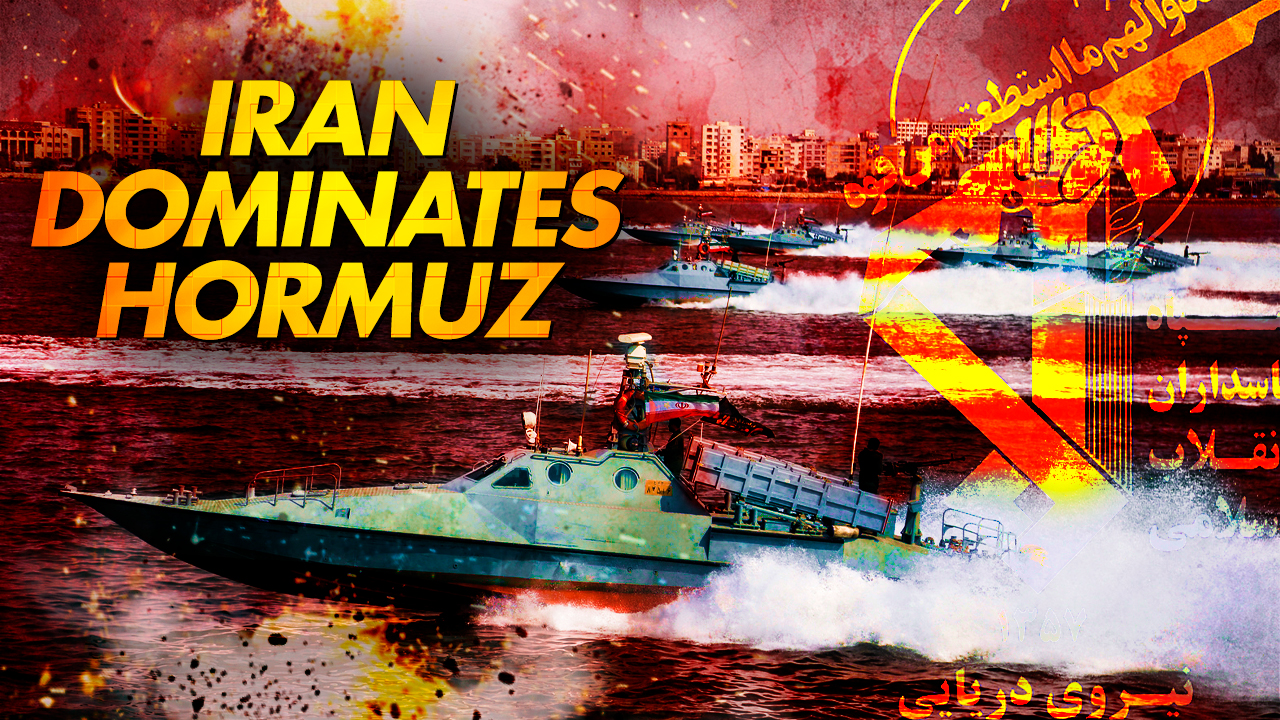
File image.
At least four vessels linked to Iran have been observed making unusual movements above undersea communications cables in the Gulf of Oman, raising concerns about possible preparations to disrupt vital digital infrastructure amid renewed tensions with the United States and Israel, the Financial Times reported on November 6.
The vessels, tracked by maritime analytics firm Windward using ship-tracking data and satellite imagery, included three tankers under U.S. sanctions and a small Iranian fishing boat.
The activity took place in the weeks after Iranian officials threatened to target undersea cables and data centers if Washington and Israel launched another bombing campaign against the country.
Windward found that the tankers slowed down, circled, turned back or remained stationary when they reached specific cable corridors. All three also switched off their tracking signals at various points during the past month, while two were sailing empty.
One of the tankers, the Celestial Sea, circled the 2Africa cable for more than four hours on October 14 before switching off its tracking system the following day between the 2Africa and Bay of Bengal Gateway cables. It returned above the cable four days later before anchoring off the Omani coast near Shinas.
Another tanker remained at speeds below one knot for 10 days in Iranian waters near four undersea cable routes in mid-October. It repeatedly turned off its tracking signal, including for more than 33 hours on October 17.
An Iranian fishing boat was also observed loitering above the Europe India Gateway and Transworld cables between October 21 and 26.
Windward said the movements differed from normal shipping activity in the area and could fit a pattern of mapping cable routes or positioning charges or mines. The company added that ordinary cargo operations did not explain the vessels’ behavior.
However, naval experts cautioned that the movements could have other explanations. Sid Kaushal of the Royal United Services Institute said the activity might be coincidental, although Iran could be seeking to demonstrate its ability to damage undersea infrastructure in a conflict.
Iranian officials have issued a number of warnings about targeting the region’s digital infrastructure over the last few weeks.
On October 19, Islamic Revolutionary Guard Corps spokesman Hossein Mohebbi highlighted the seven major internet cables crossing the Strait of Hormuz and warned that Tehran would unveil “new targets” and “new weapons.”
Earlier in the same month, Supreme National Security Council Secretary Mohsen Rezaei threatened data centers and artificial intelligence facilities, while another senior Corps commander said internet cables could be damaged in retaliation for attacks on Iranian infrastructure.
The potential impact of such attacks would extend well beyond the immediate region. Six undersea cables currently cross the Strait of Hormuz, with three more projects under construction. Iraq, Kuwait, Bahrain and Qatar rely entirely on cables passing through the strait for their internet connectivity.
Damage to the networks could slow internet access and financial transactions while disrupting communications, e-commerce and cloud computing. The cables are also central to Gulf countries’ efforts to develop digital businesses and reduce their dependence on hydrocarbons, making them an increasingly important part of the region’s critical infrastructure.
The Financial Times’ report came amid reports suggesting that the U.S. and Israel are about to launch a large-scale attack against Iran.
_______________________________________________________________________________________________________________________
SouthFront: Analysis and Intelligence
NOW hosted at southfront.press
Previously, SouthFront: Analysis and Intelligence was at southfront.org.
The .org domain name had been blocked by the US (NATO) (https://southfront.press/southfront-org-blocked-by-u-s-controlled-global-internet-supervisor/) globally, outlawed and without any explanation
Back before that, from 2013 to 2015, SouthFront: Analysis and Intelligence was at southfront.com



if globalists finance managers can not transfer, then they lose all power and influence
turn the switch off if your attacked sounds good to me
datacenters must be desroyed, because they are the backbone of modern warfare.