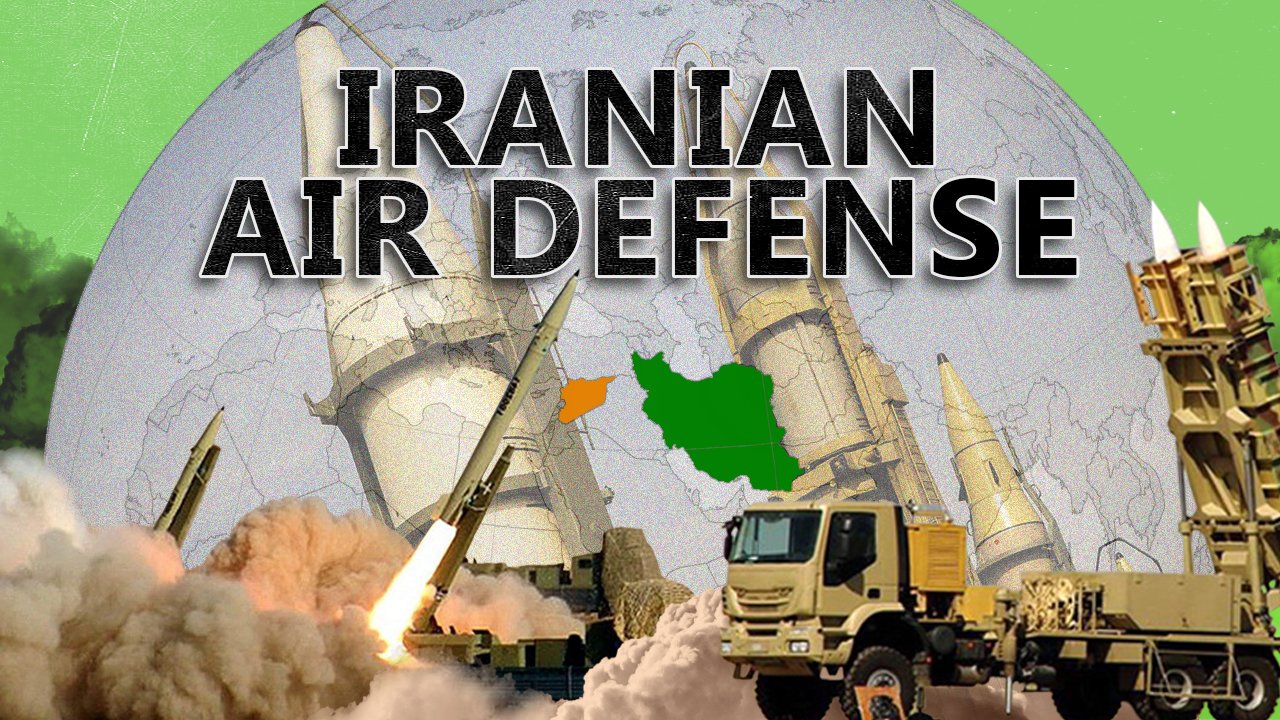
File image.
Iran’s Islamic Revolutionary Guard Corps (IRGC) announced on November 27 that its air defenses forced a United States F-16 fighter jet to change course and retreat after opening warning fire near Hengam Island in the Persian Gulf, marking the second such engagement in less than a week.
In a statement, the IRGC Aerospace Force said the fighter jet approached Iranian airspace southeast of Hengam Island while escorting and providing air cover for vessels it described as violating Iranian maritime regulations in the Strait of Hormuz.
Iranian forces responded with warning fire from what the Corps described as a new and advanced air defense system, prompting the fighter to perform a sharp maneuver and leave the area.
The IRGC released footage of the engagement, showing the fighter jet ejecting flares and executing a sharp evasive maneuver as a missile flew close by.
The Corps warned that further violations of Iranian airspace would prompt a more forceful response, describing the country’s airspace as a red line. It also linked the encounter to attempts by U.S. military forces to support vessels challenging Iran’s restrictions on maritime traffic through the strategic waterway.
The announcement comes six days after Iran’s regular Army reported engaging another U.S. F-16 over the Persian Gulf. The Army’s Air Defense Force said it had detected and tracked the jet before firing a missile toward it. The missile exploded near the fighter, allegedly causing damage that forced the pilot to abort the mission and make an emergency landing at a nearby regional airport.
U.S. Central Command rejected the account. However, flight-tracking data showed an American F-16 transmitting the 7700 general emergency code over the United Arab Emirates after returning from the Strait of Hormuz, a day before the Iranian announcement.
The latest incidents point to growing risks for U.S. warplanes, including fighter jets, and combat drones operating near the Strait of Hormuz as Iran rebuilds its air defenses, making American military and surveillance operations in the region increasingly dangerous.
_______________________________________________________________________________________________________________________
SouthFront: Analysis and Intelligence
NOW hosted at southfront.press
Previously, SouthFront: Analysis and Intelligence was at southfront.org.
The .org domain name had been blocked by the US (NATO) (https://southfront.press/southfront-org-blocked-by-u-s-controlled-global-internet-supervisor/) globally, outlawed and without any explanation
Back before that, from 2013 to 2015, SouthFront: Analysis and Intelligence was at southfront.com