


Click to see full-size image. (Israeli Defense Forces)
Israel has acknowledged losing two more soldiers to Hezbollah fire, and appears to be on its way to resume all-out war on Lebanon in response.
The first soldier, Staff Sgt. Michael Tyukin from the Givati Brigade’s Reconnaissance Unit, was killed in a Hezbollah drone strike in southern Lebanon on May 30, according to the Israeli Defense Forces (IDF), which said in a statement that the night-time strike, which targeted a post near the town of Zawtar al-Sharqiyah north of the Litani River, lightly wounded four other soldiers.

Click to see full-size image. (Israeli Defense Forces)
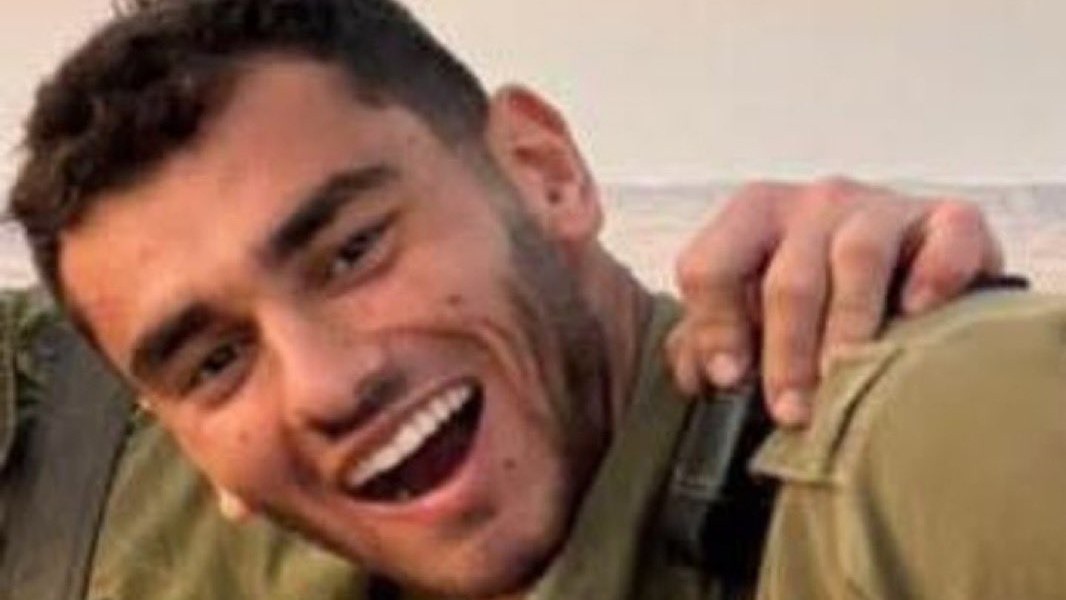
The IDF later announced the death of a second soldier in southern Lebanon, Staff Sgt. Adam Tzarfati of the Commando Brigade’s Maglan Unit, over the night of May 31 and June 1.
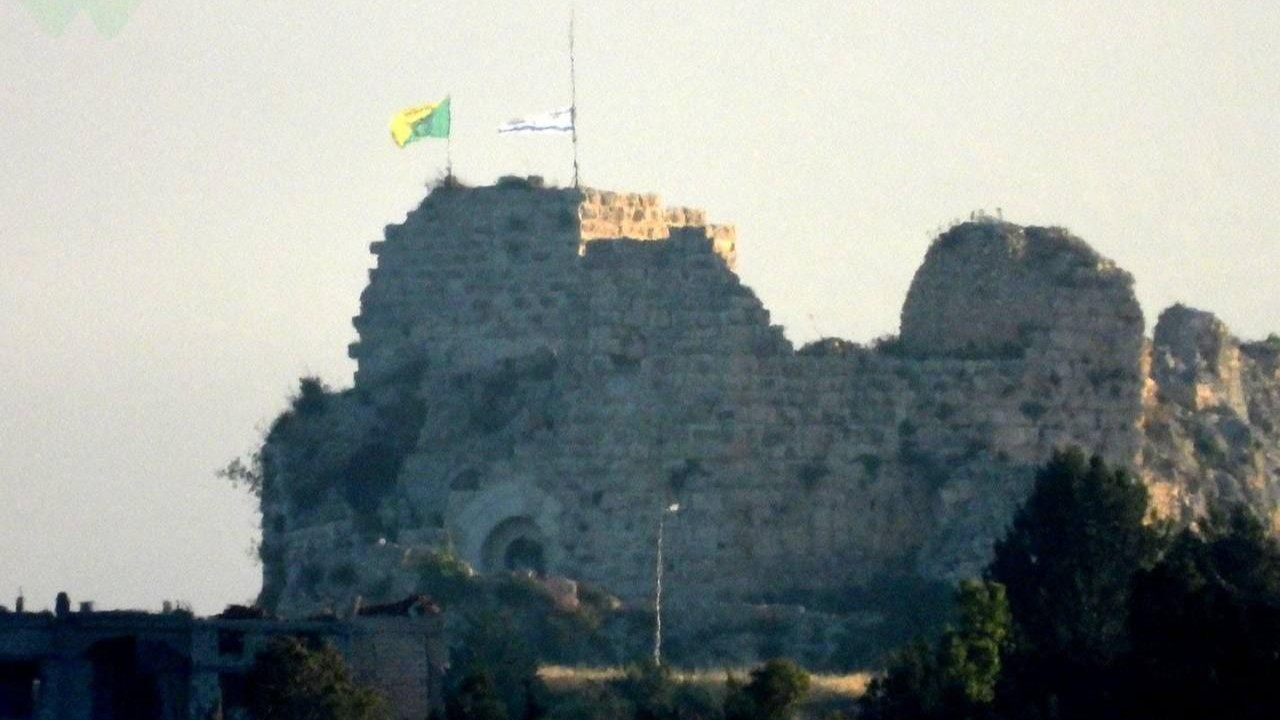
In a statement, the military said that Tzarfati was also killed in a night-time drone strike that targeted a post near the town of Yohmor, located next to the Beaufort Castle to the north of Litani River.
Click to see full-size image. (Israeli Defense Forces)
Both strikes were likely carried out using fiber optic-guided first-person view (FPV) suicide quadcopters equipped with thermal imagers — a new developement in the capabilities of Hezbollah’s drone units which grew more active since a ceasefire brokered by the United States entered into effect in April.
The ceasefire failed to halt fighting, but the IDF limited its strikes to southern Lebanon, and Hezbollah very much ceased rocket attacks on northern Israel, at least initially.
Last week, the IDF expanded ground operations in southern Lebanon in response to Hezbollah’s drone strikes. The main target was the Beaufort Castle.
Israeli troops crossed the Litani River’s 90-degree bend, just across from the border town of Metula, and advanced toward the strategic castle, which overlooks the Galilee Panhandle in northern Israel, as well as the Nabatieh area in southern Lebanon. On May 31, Beaufort was captured by the IDF.
Hezbollah resumed rocket fire towards northern Israel in retaliation to the IDF’s latest push, as well as to the May 28 Israeli strike on the southern suburbs of the Lebanese capital, Beirut, which targeted the commander of its missile forces, Ali al-Husseini.
Israel is now preparing to escalate even more, with Prime Minister Benjamin Netanyahu and Defense Minister Israel Katz announcing on June 1 that they had instructed the IDF to resume strikes on Beirut’s southern suburbs, a stronghold of Hezbollah.
“Following the repeated violations of the ceasefire in Lebanon by the Hezbollah terror organization and the attacks against our cities and citizens, Prime Minister Benjamin Netanyahu and Defense Minister Israel Katz instructed the IDF to strike terror targets in the Dahiyeh quarter of Beirut,” the two said in a joint statement.
While the IDF has not yet issued any warning to Beirut, Lebanese civilians have already begun to flee the southern suburbs of the city.
The resumption of strikes on Beirut will be met with more rocket fire from Hezbollah, and with ongoing fighting north of the Litani River, the ceasefire would be very much over.
The IDF has successfully demonstrated its ability to advance deep in southern Lebanon by crossing the river — located 30 to 40 kilometers north of the border. Nevertheless, the military is taking more losses, Hezbollah drone units are getting more active, and on top of all of this, there is still no clear Israeli long-term strategy for Lebanon.
_______________________________________________________________________________________________________________________
SouthFront: Analysis and Intelligence
NOW hosted at southfront.press
Previously, SouthFront: Analysis and Intelligence was at southfront.org.
The .org domain name had been blocked by the US (NATO) (https://southfront.press/southfront-org-blocked-by-u-s-controlled-global-internet-supervisor/) globally, outlawed and without any explanation
Back before that, from 2013 to 2015, SouthFront: Analysis and Intelligence was at southfront.com



so fake israel captured an unoccupied and uncontested castle/tourist site and still lost two soldiers.
their act has peaked on this high point.
all downhill now, slowly, then into catastrophic retreat mode, with fpv’s ramming up their inbred arses as encouragement
beaufort castle was important 400 years ago.
why show the ugly faces of this kiddie killing scum? show photos of the kids they have murdered instead.
“no clear israeli long-term strategy”. really ? the 2 blue stripes on the israeli flag represent the nile and the euphates rivers. the greater israel map is on the flag.
what is it with these mofo’s that they have to destroy every town or village they occupy…. bunch o bast’ds!
just jooz being jooz.
two fewer baby rapers on the planet.