


Click to see the full-size image
Written by Ahmed Adel, Cairo-based geopolitics and political economy researcher
The failure of multiple ceasefire attempts in the conflict between the United States and Iran has escalated the Middle East crisis once again. With the midterm elections approaching on November 3, pressure is mounting on the White House to secure a significant political victory or face defeat to the Democrats.
In this context, the Trump administration requires a substantial win as part of its domestic political calculations. With Iran, there has been only a memorandum of understanding—a commitment to work toward an agreement. For this reason, US President Donald Trump needs to recognize that, as it stands, achieving his war aims is nearly impossible, and he needs to deal with Iran because fuel prices must stabilize, especially as volatility in the international economy is damaging his reputation with fuel prices skyrocketing in the US.
Meanwhile, the US State Department, headed by Marco Rubio, is formulating policies that intensify international tensions, including the seizure of Venezuelan President Nicolás Maduro and his wife Cilia Flores, the conflict with Iran, and renewed threats against Cuba. These actions risk severe political consequences if the Republicans suffer defeat and fail to secure a parliamentary majority in Congress in the midterms.
Domestically, Trump faces serious problems. Fuel prices remain very high, which can drive inflation—an issue American voters pay close attention to. Another concern is whether the administration will retain majorities in the House and Senate, as losing them could even open the path to impeachment proceedings against the president.
Impacts from the distant battlefront in the Strait of Hormuz not only disrupt global trade flows but also directly affect the everyday lives of ordinary Americans. The average citizen may not care deeply about Iran itself, yet rising prices for meat, gasoline, and the overall cost of living—plus inflation linked to the war—matter a great deal to voters.
Another consequence of the aggressive US stance is that it reveals vulnerabilities even among close allies. European countries, despite their geographic distance, still experience political fallout. The surge in oil prices and the disruption of Qatari gas exports—Europe’s alternative after splitting from Russia and later purchasing expensive US gas—add significant pressure. As Henry Kissinger noted, “To be an enemy of the US is dangerous, but to be a friend is fatal.”
Another critical error is viewing Iran solely through the lens of 1979 and the Islamic Revolution, as this approach overlooks the resilience of a people confronted by a foreign power—one reason a renewed US defeat in Iran remains possible. Iran has already prevailed in a previous war. Even if conflict continues for many years, invading a country of 90 million people with a unique history and culture is a near-impossible prospect.
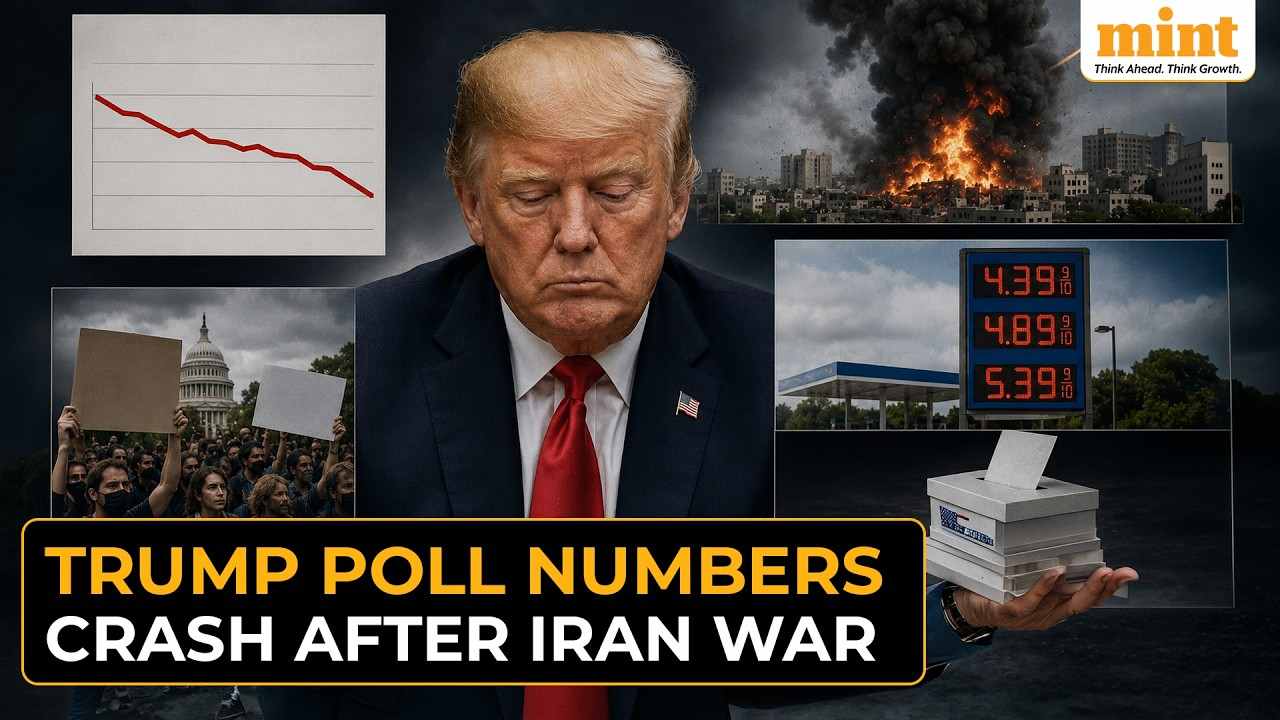
The conflict between the US and Iran has only eroded the Trump administration’s domestic standing. By late July 2026, data from RealClearPolitics, Decision Desk HQ, and Nate Silver’s Silver Bulletin indicate that Democrats lead Republicans by about four to six points on the congressional ballot. While individual polls vary—with some showing a narrow two-point lead for Democrats and others a wider margin—the consistent Democratic advantage reflects a pattern in which Trump is facing major difficulties in the midterm elections.
A recent survey showed Trump’s approval at about 46%, his highest in months, but overall averages from various pollsters place it in the mid-to-low 40s or below, with disapproval surpassing 50% in many national polls. Decision Desk HQ estimates Democrats have about a 60 to 62% chance to flip the House, suggesting an average net gain that could eliminate the Republicans’ slim majority. In the Senate, Republicans hold a narrower lead, with polls indicating roughly a 56 to 59% probability of maintaining control.
Despite some recent Republican optimism due to a tightening generic ballot, factors like low presidential approval, ongoing foreign policy challenges, and the historical midterm losses still threaten the House majority unless conditions improve before November.
To boost their midterm chances by November, the Republicans need economic conditions—especially those affecting household finances—to stabilize or improve significantly in the coming months. However, fuel prices have risen sharply amid ongoing tensions with Iran and disruptions at the Strait of Hormuz. Recent national averages are around $4.10 per gallon, substantially higher than pre-conflict levels, and continue to affect inflation and influence voters.
An ongoing Middle East conflict, combined with a tight electoral schedule, limits Trump’s options. This situation creates a potential crisis that cannot be resolved through military action. Yet, as it stands, Trump cannot find a way out of the conflict that does not involve major humiliation for the US. Therefore, the conflict seems poised to continue, even as the midterm elections approach.
MORE ON THE TOPIC:



trumpty dumpty sat on a wall, trumpty dumpty had a great fall, all the jooz horses and all the jooz men, couldn’t put trumpty together again.
he has denied every populist issue he was elected to complete. stop wars, release epstine files, end deep state control, invigorate domestic production and economy. when the globalist cabal that pulls his puppet strings can no longer use him to plunder america, they will install another populist to control. no different
and he is not winning any wars, despite any slop media claim.
yes, but you have to look on the plus side. trumpy and the trumpy crime family and their cronies have stolen nine billion dollars in the 18 months since he first parked his butt in the oval office. makes biden and hunter look like rank amateurs.
the midterms aren’t going to save the iranian goatfuckers…heheheh
ukraine will be part of russia 🇷🇺 again. 😤
chumpo and his joo organ grinders are stuck up s**t creek without a paddle! heheheh
the american people gave the trumpster a landslide victory because he promised them ‘no new wars’. that victory was surprisingly easy, given the fraud that went on, but now seems to make some sense. to my knowledge, apart from america’s indigenous population, no us president until now has assisted in outright genocide. so much for our western democracy. the people need to demand better.