Click to see the full-size image
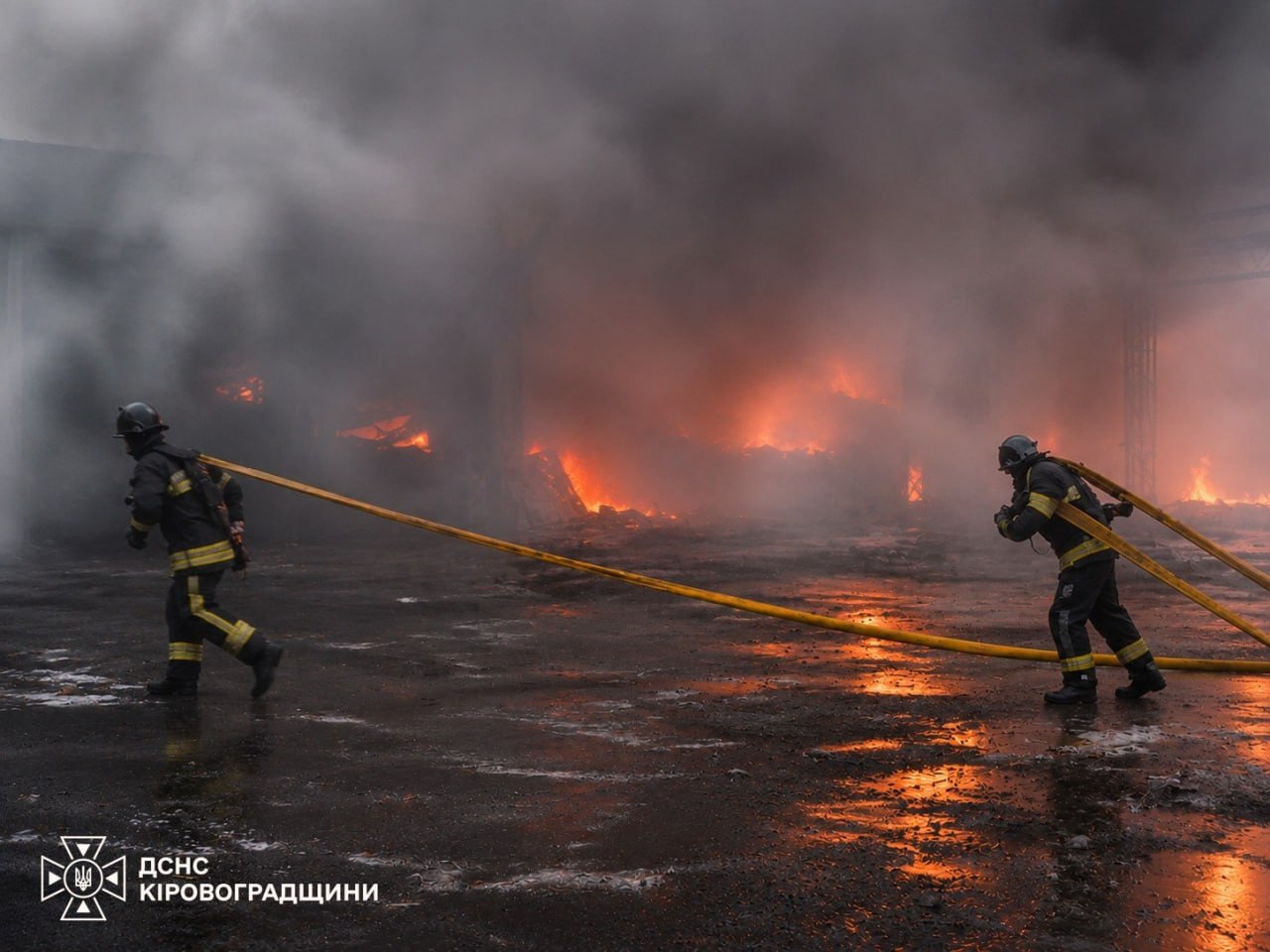
Russia continued combined strikes on Ukraine overnight on November 17, focusing on defense-industrial enterprises, energy facilities, Kyiv bridges, ports in Odesa Region, and rail logistics. The main emphasis was on the production chain for FP-5 Flamingo and FP-9 missiles and medium- and long-range UAVs, as well as on substations supporting industry and transport. At the same time, Ukraine carried out a large-scale drone attack on Russian regions, claiming strikes on the Crimean Bridge and petrochemical facilities in Bashkortostan.
Russian Strikes on Targets in Ukraine
According to the Ukrainian Air Force, Russian forces employed Iskander-M, Tsirkon, and S-400 ballistic missiles, Iskander-K cruise missiles, Kh-59/Kh-69 guided air-launched missiles, and 306 attack UAVs. The Russian Ministry of Defense stated that targets were hit in Kyiv, Zaporizhzhia, Cherkasy, Dnipropetrovsk, Kharkiv, Odesa, Rivne, Vinnytsia, Chernivtsi, and Kyiv Regions.
Defense-Industrial Complex
-
Techno-Links LLC (Kyiv) – a facility producing and assembling medium- and long-range attack UAVs, including the An-196 Liutyi.
-
Ukrplastik Plant (Kyiv) – production of components for attack drones.
-
Motor Sich (Zaporizhzhia) – an aircraft engine manufacturer involved in the design and production of FP-9 operational-tactical missiles, FP-5 Flamingo cruise missiles, and engines for Neptune-MD missiles.
-
Omelchenko Plant (Zaporizhzhia) – production of FP-9 missiles and engines for FP-5.
-
Orizon-Navigation State Enterprise (Smila, Cherkasy Region) – a radio-electronics facility hosting production of FP-9 missiles for Fire Point and components for Neptune-MD.
-
Pivdenne Machine-Building Plant named after Makarov (Dnipro, Dnipropetrovsk Region) – production of FP-9 and FP-5 missiles and medium- and long-range UAVs.
-
Sofrakhim PJSC (Pavlohrad, Dnipropetrovsk Region) – production of solid rocket fuel and components for FP-9, FP-5, FP-7, Hrom-2, and Neptune-MD missiles.
Energy
-
Kharkiv TPP-5 and Zmiivska TPP (Kharkiv Region)
-
330 kV substations in Dnipro and Kamianske (Dnipropetrovsk Region)
-
330 kV substations in Rivne and Hrabiv (Rivne Region)
-
330/110 kV Chernivtsi substation, 110 kV Hravyton substation, and 110 kV Prut substation (Chernivtsi, Chernivtsi Region)
-
330 kV Bilotserkivska substation (Kyiv Region)
Transport and Logistics
-
Southern Bridge (Kyiv) – a combined road and metro crossing; road surface, metro tracks, and utilities were damaged.
-
Northern Bridge (Kyiv) – cable-stayed system elements, road surface, and trolleybus contact network were damaged.
-
Railway node (Dnipro, Dnipropetrovsk Region) – fuel tank cars were hit.
-
Verkhnodniprovsk railway station (Dnipropetrovsk Region) – an electric locomotive was damaged.
-
Kryvyi Rih-Sortuvalna railway station (Kryvyi Rih, Dnipropetrovsk Region) – a freight car and a railway locomotive were damaged.
-
Izmail Port (Izmail, Odesa Region) – infrastructure for unloading and storing military cargo.
-
Dry cargo vessel (in transit toward Chornomorsk Port, Odesa Region)
-
Vessel (Odesa Port, Odesa Region)
Other Facilities
-
Ukrtelecom CITiTO (Vinnytsia Region) – information technology and technical support center.
-
Company Bir warehouse complex (Lozova, Kharkiv Region)
-
Morgan Fenice LLC (Kvasyliv, Rivne Region) – repeat strike on a furniture production and warehouse complex.
-
Kharkiv Electromontazh Products Plant (Kharkiv, Kharkiv Region)
-
Kharkiv Coke Plant (Kharkiv, Kharkiv Region)
Ukrainian Strikes on Targets in Russia
The Russian Ministry of Defense reported intercepting 2,256 UAVs over the day, including 1,441 overnight over 22 federal subjects, as well as nine cruise missiles. According to the Ukrainian side, FP-5 Flamingo cruise missiles and drones were employed against the Crimean Bridge (Kerch, Republic of Crimea); it claims that more than 270 meters of road surface were destroyed and the railway section was damaged, while the Russian side reported a temporary suspension of traffic.
In Bashkortostan, monitoring channels reported fire pockets at Gazprom Neftekhim Salavat, one of Russia’s largest petrochemical complexes. Republic authorities reported that more than 50 drones were shot down over the industrial zones of Ufa and Salavat.
In Kursk Region, the 330 kV Sadovaya substation (Kursk) was hit. It is a key supply hub providing electricity to approximately 400,000 residents and major industrial enterprises.
Toward the Moscow Region (Moscow and Moscow Region), according to the Russian Ministry of Defense, approximately 800 drones were launched; most were intercepted at long ranges, and 321 on approach to the capital. Over Kaluga Region, air defenses destroyed 293 drones. In Belgorod Region, according to regional authorities, civilian casualties and damage to civilian infrastructure resulted from drone and FPV attacks: civilians were killed and 19 people were injured, including two teenagers.
Thus, Russian strikes on November 17 were systemic in nature and aimed at key links in Ukraine’s missile program: production of FP-9 and FP-5 Flamingo missiles, engines for Neptune-MD, as well as bridge and energy infrastructure supporting logistics and the defense-industrial complex. The damage to Yuzhmash, Motor Sich, Orizon-Navigation, and Sofrakhim affects both assembly and component links of the production chain.
Ukraine, for its part, relied on massive drone pressure on Russian regions, claiming strikes on the Crimean Bridge and petrochemical facilities in Bashkortostan. At the same time, the scale of the Ukrainian drone armada is assessed as one of the most significant since the start of the conflict, and a number of Russian military analysts link this timing to the upcoming November 19 summit of Russia, the United States, and China in Shenzhen, noting Kyiv’s desire to demonstrate long-range strike capabilities ahead of a major diplomatic event. However, confirmed damage to a number of claimed targets remains limited. Given the scale of intercepts reported by the Russian Ministry of Defense, this points to the Russian air defense system maintaining a high density of coverage over key facilities.